Clinical Report: Innovative Approaches in Cancer Treatment
Background
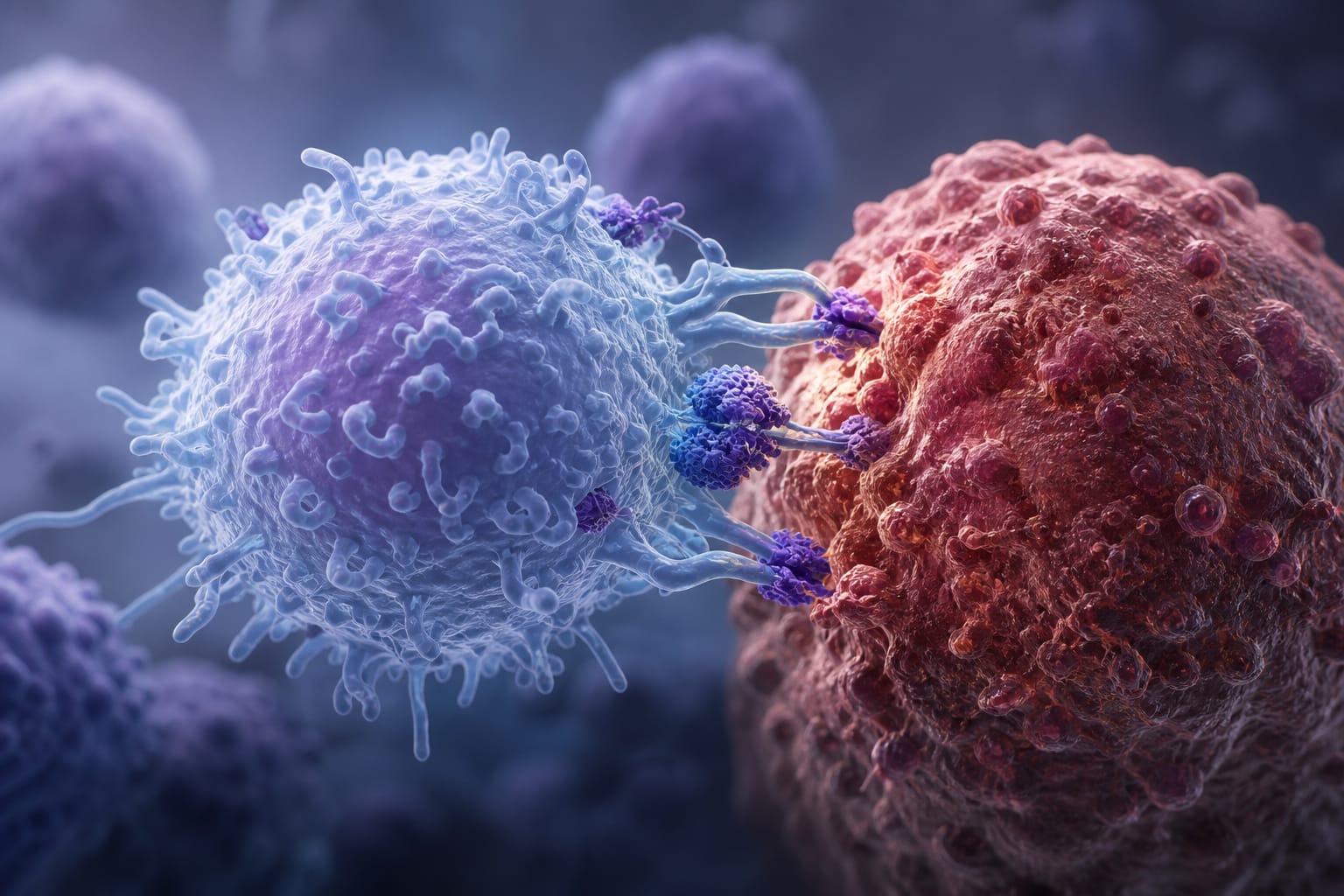
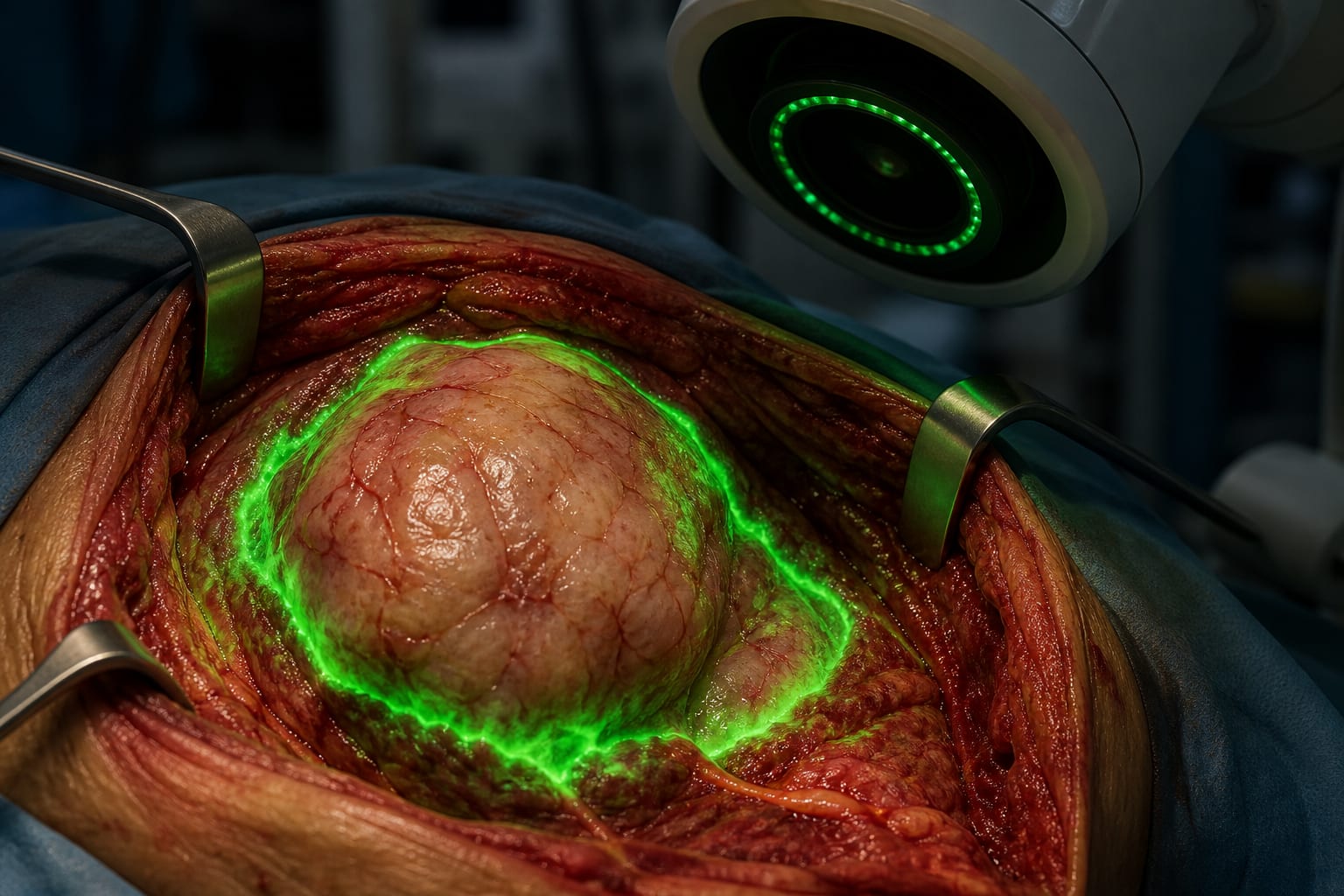
The landscape of cancer treatment has evolved significantly, moving beyond conventional surgery, chemotherapy, and radiotherapy to include immunotherapies and targeted therapies. These advancements present challenges such as varying response rates, treatment resistance, and accessibility issues.
Data Highlights
No specific numerical data or trial results were provided in the source material.
Key Findings
- Immunotherapy, particularly immune checkpoint inhibitors, has become standard care for several cancer types but faces challenges like variable response rates and resistance.
- CAR-T cell therapies have transformed hematological cancer management, yet their efficacy in solid tumors remains limited.
- Emerging strategies include engineered oncolytic viruses and bacteria as therapeutic agents, which show promise but face significant clinical translation hurdles.
- PARP inhibitors and KRAS inhibitors represent significant advances in targeted therapies, with ongoing research aimed at overcoming resistance and expanding their use.
- Future research will focus on addressing treatment resistance in immuno-refractory cancers and exploring individualized vaccine strategies.
Clinical Implications
Clinicians should be aware of the evolving landscape of cancer therapies and the importance of addressing treatment resistance.
Related Resources & Content
- The Medicine Maker, 2024 -- Cancer and the Combination Approach
- JADPRO, 2023 -- Revolutionizing Cancer Treatment: Harnessing the Power of Biomarkers to Improve Patient Outcomes
- Roswell Park Comprehensive Cancer Center -- Advances in Cancer Therapy
- Journal of Clinical Oncology -- Therapy for Stage IV Non–Small Cell Lung Cancer With Driver Alterations: ASCO Living Guideline, Version 2026.3.2
- IASLC -- Eight-Year ADAURA Update Shows Sustained Overall Survival Benefit With Adjuvant Osimertinib in Resected EGFR-Mutated NSCLC
- the medicine maker — Putting Patients First
- Therapy for Stage IV Non–Small Cell Lung Cancer With Driver Alterations: ASCO Living Guideline, Version 2026.3.2 | Journal of Clinical Oncology
- Eight-Year ADAURA Update Shows Sustained Overall Survival Benefit With Adjuvant Osimertinib in Resected EGFR-Mutated NSCLC | IASLC
- FDA approves pembrolizumab with paclitaxel for platinum-resistant epithelial ovarian, fallopian tube, or primary peritoneal carcinoma | FDA
Based on findings from:
Next-generation cancer therapeutics
Nature Cancer, 2026.
https://www.nature.com/articles/s43018-026-01244-w
This content is an AI-generated, fully rewritten summary based on a published scholarly article. It does not reproduce the original text and is not a substitute for the original publication. Readers are encouraged to consult the source for full context, data, and methodology.