Relationship between anastomotic technique, incisional hernia, and quality of life—the Minimally Invasive Right Colectomy Anastomosis STudy (MIRCAST) - Report - MDSpire

Relationship between anastomotic technique, incisional hernia, and quality of life—the Minimally Invasive Right Colectomy Anastomosis STudy (MIRCAST)

  • By

  • Marcos Gómez Ruiz

  • On behalf of

  • MIRCAST study group (collaborative)

  • Juan García Cardo

  • Marcos Gómez Ruiz

  • Eloy Espin Basany

  • Mindaugas Tiskus

  • Ugo Pace

  • Tarja Pinta

  • Paolo Pietro Bianchi

  • Andrea Coratti

  • Roberto Persiani

  • Roberto Coppola

  • Nuria Truan Alonso

  • Franco Marinello

  • Miquel Kraft Carre

  • Mirjana Komljen

  • Shadi Andos

  • Paolo Delrio

  • Daniela Rega

  • Giuseppe Giuliani

  • Lucia Salvischiani

  • Alberto Biondi

  • Laura Lorenzon

  • Damiano Caputo

  • Vincenzo La Vaccara

  • Daniel Fernández Martinez

  • Carmen Cagigas Fernández

  • Lidia Cristobal Poch

  • Gina Lladó-Jordan

  • Camilo Palazuelos Calderón

  • Lucía Lavín Alconero

  • Vincenzo Vigorita

  • Raquel Sánchez Santos

  • Paula Fernández Rodriguez

  • Fernando Jimenez Escobar

  • Tamara Fernández Miguel

  • Vicente Portugal Porras

  • Alejandro Romero de Diego

  • Maria Ruíz Soriano

  • Beatriz de Andrés Asenjo

  • Dursun Bugra

  • Emre Balik

  • Emre Özoran

  • Andrea Muratore

  • Marcello Calabrò

  • Antonio La Terra

  • Ángel Reina Duarte

  • Pälvi Vento

  • Inna Lupina

  • David Moro-Valdezate

  • José Martín-Arévalo

  • Juan Ocaña Jiménez

  • Araceli Ballestero—Pérez

  • Ellen Van Eetvelde

  • Daniel Jacobs-Tulleneers-Thevissen

  • Irshad Shaikh

  • Dolly Dowsett

  • Esther Kreisler Moreno

  • Ana Gálvez Saldaña

  • Antonino Spinelli

  • Francesca Di Candido

  • Luis Miguel Jimenez Gomez

  • Elena Hurtado Caballero

  • Andreas Türler

  • Anna Krappitz

  • Luca Morelli

  • Annalisa Comandatore

  • Matteo Palmeri

  • Vicente Simó

  • Jorge Arredondo Chaves

  • Benno Mann

  • Gintautas Virakas

  • Jim Khan

  • Ismail Gögenur

  • Niclas Dohrn

  • Eduardo Ferrero Herrero

  • Eduardo Rubio González

  • Javier Sanchez Gonzalez

  • Ekta Choolani Bhojwani

  • Francesk Mulita

  • Vasileios Leivaditis

  • Goran Šantak

  • Matteo Frasson

  • Marta Nieto

  • Jakob Lykke

  • Niclas Dohrn

  • Mauro Garino

  • Chiara Marafante

  • Antonio Arroyo

  • Cristina Lillo-García

  • Carlos Placer Galan

  • José María Enriquez Navascués

  • Wanda Luisa Petz

  • Simona Borin

  • Philippe Rouanet

  • Christophe Taoum

  • Alain Valverde

  • Markus Winny

  • Çağrı Büyükkasap

  • Benoit Romain

  • Orestis Ioannidis

  • Giuseppe Spinoglio

  • David Jayne

  • Roger Gerjy

  • Sanjay Chaudhri

  • Luis Sánchez-Guillén

  • Alexis Ulrich

  • Tero Rautio

  • Jesus Bollo Rodriguez

  • Nuno Rama

  • Federico Perna

  • Eric Rullier

  • Fernando Mendoza

  • Thalia Petropoulou

  • Arto Turunen

  • Mauricio García Alonso

  • Anne Mattila

  • Julian Hance

  • Bertrand Trilling

  • Imma Prós Ribas

  • Adeline Germain

  • Kai Leong

  • December 8, 2025

  • 0 min

Share

Impact of Anastomotic Methods on Incisional Hernia and Quality of Life in Minimally Invasive Right Colectomy

Overview

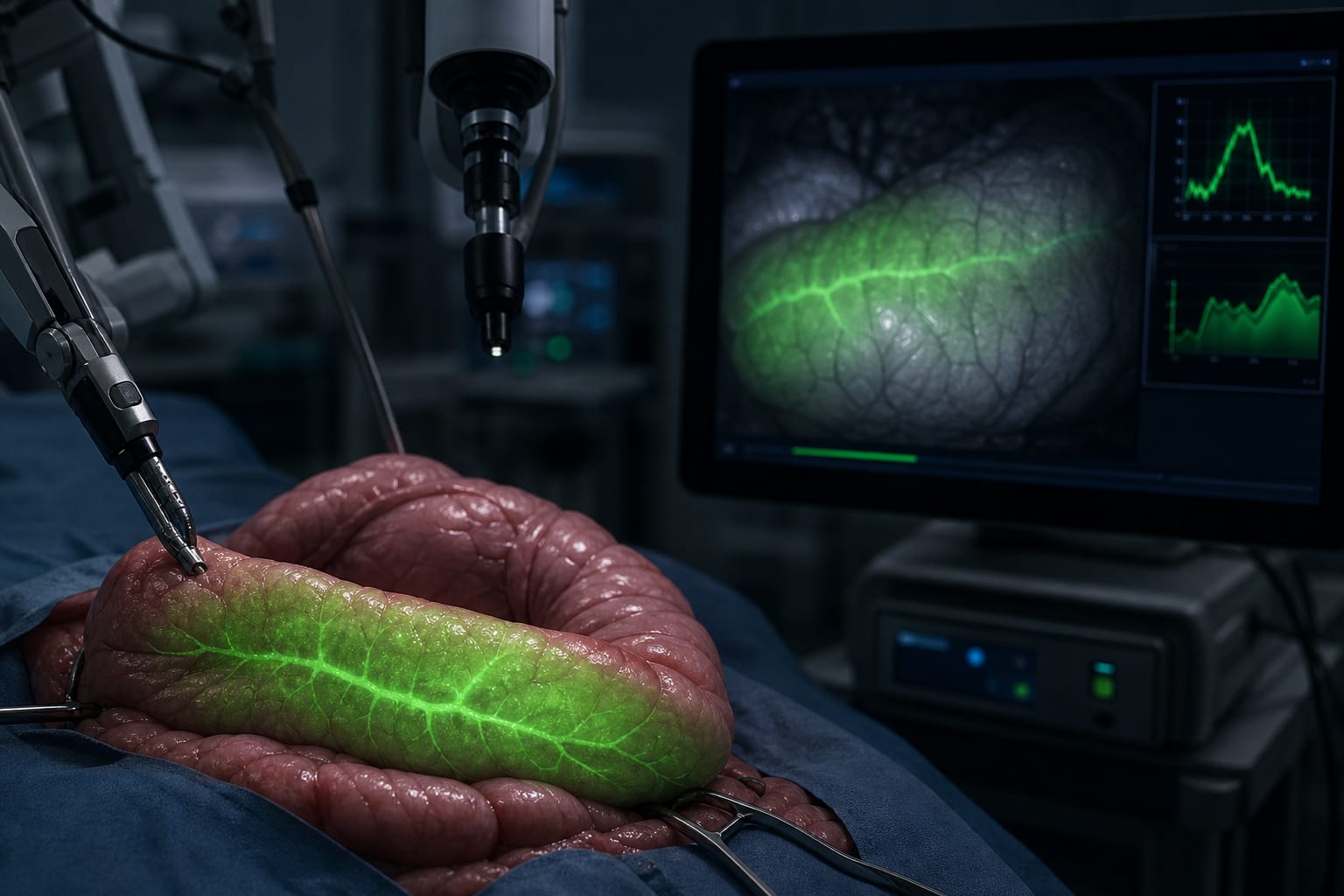
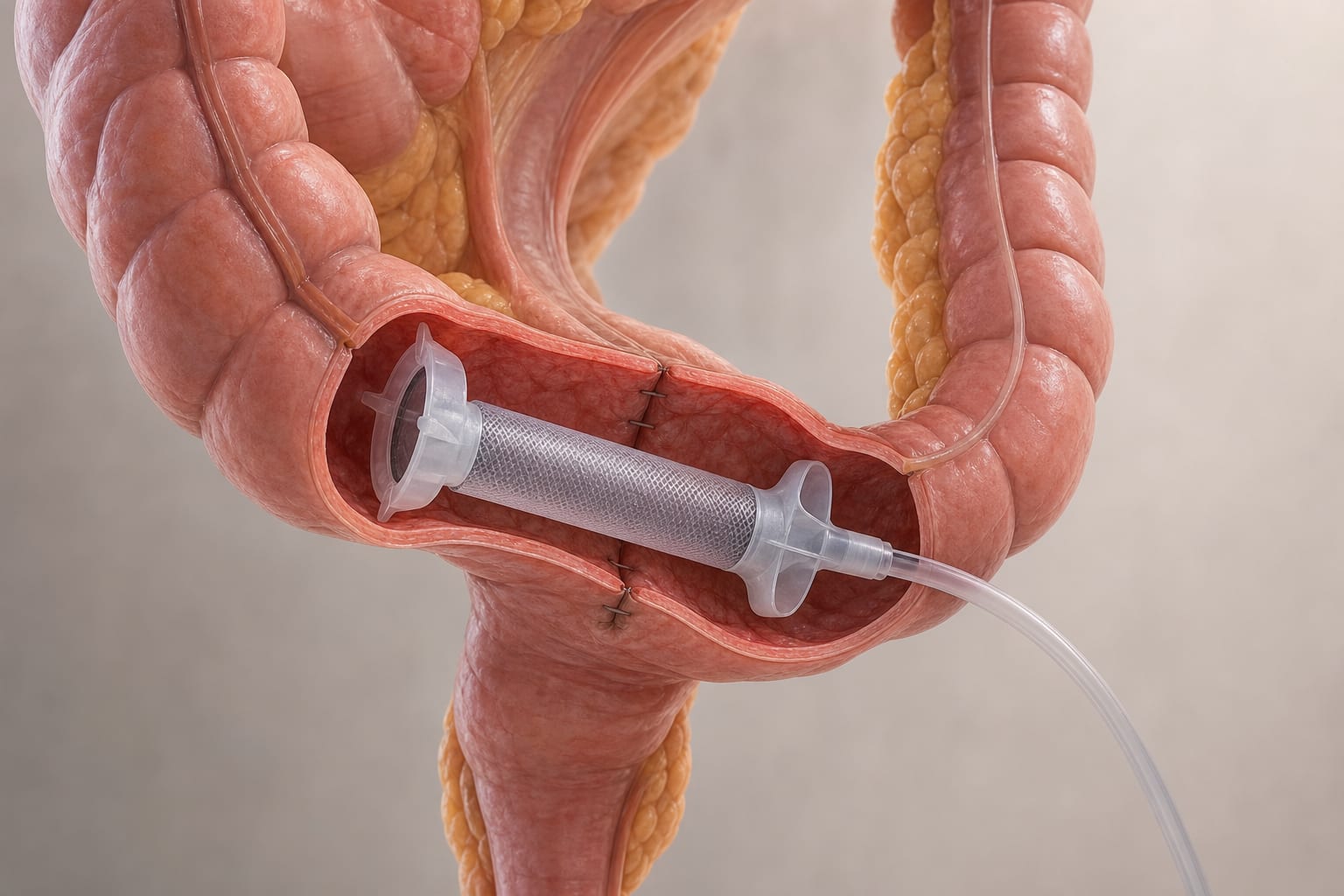
The MIRCAST study evaluated the effects of intracorporeal (ICA) versus extracorporeal anastomosis (ECA) on incisional hernia (IH) rates and quality of life (QoL) after minimally invasive right colectomy. ICA was associated with fewer incisional hernias and potentially better postoperative outcomes, with QoL assessed up to two years post-surgery.

Background

Minimally invasive right colectomy is the standard surgical treatment for right colon cancer, with anastomosis performed either intracorporeally (ICA) or extracorporeally (ECA). Previous studies suggest ICA may lead to faster bowel recovery, fewer complications, and reduced IH rates, possibly due to less mesenteric traction and better bowel perfusion. However, the impact of anastomotic technique on long-term QoL remains unclear, particularly in right colectomy patients. The MIRCAST study was designed to prospectively assess postoperative complications, IH development, QoL, and oncological outcomes in this context.

Data Highlights

The MIRCAST study is a multicentre, prospective, observational study involving 59 European centres with experienced colorectal surgeons. Patients were assigned to four cohorts based on surgical approach (laparoscopic or robotic-assisted) and anastomotic technique (ICA or ECA). Follow-up included assessments at 30 days, 90 days, 1 year, and 2 years postoperatively, focusing on IH incidence, disease-free and overall survival, and QoL measured by EQ-5D and EORTC QLQ-C30 and CR29 questionnaires.

Key Findings

  • ICA was associated with a lower incidence of incisional hernias compared to ECA, particularly due to the use of Pfannenstiel incisions for specimen extraction in ICA.
  • Patients undergoing ICA experienced fewer overall postoperative complications and faster bowel recovery.
  • Quality of life assessments showed that postoperative complications negatively impacted QoL, though specific differences between ICA and ECA cohorts require further analysis.
  • The study confirmed the feasibility and safety of minimally invasive right colectomy with either laparoscopic or robotic-assisted approaches combined with ICA or ECA.
  • Mid-term oncological outcomes, including disease-free and overall survival, were comparable across anastomotic techniques.

Clinical Implications

Surgeons performing minimally invasive right colectomy should consider intracorporeal anastomosis with Pfannenstiel extraction incisions to reduce incisional hernia risk and postoperative complications. Improved postoperative recovery associated with ICA may also contribute to better patient quality of life. These findings support the adoption of ICA techniques in appropriate clinical settings to optimize surgical outcomes.

Conclusion

The MIRCAST study demonstrates that intracorporeal anastomosis in minimally invasive right colectomy reduces incisional hernia rates and postoperative complications, with potential benefits for patient quality of life. These results advocate for wider implementation of ICA to enhance surgical and patient-centered outcomes.

References

  1. MIRCAST Collaborative Research Proceedings 2023 -- Impact of Anastomotic Methods on Incisional Hernia Development and Quality of Life

Original Source(s)

Related Content