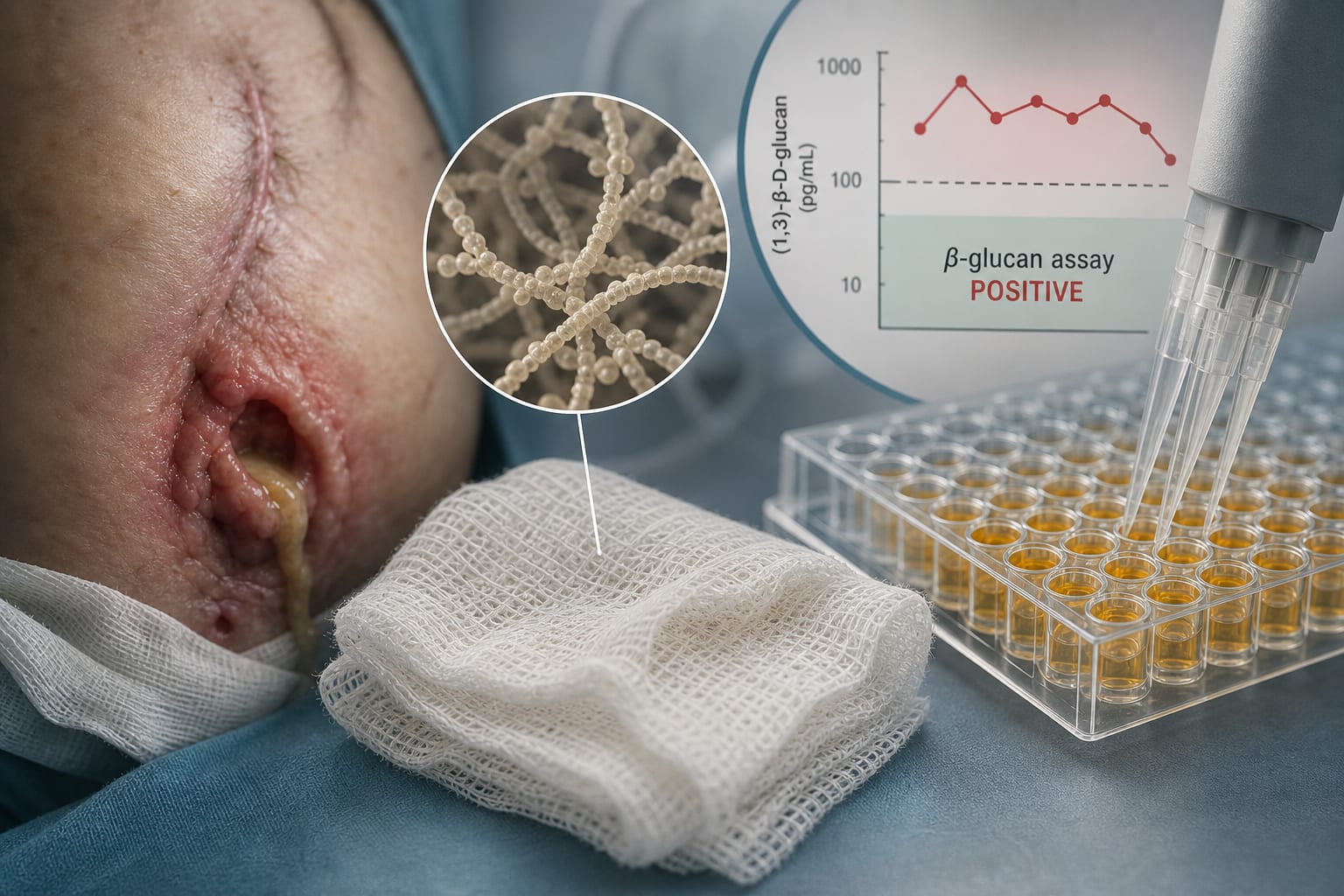
Surgical Interventions for Spondylodiscitis in Severely Ill Patients with Sepsis
Overview
Spondylodiscitis is a serious spinal infection that can lead to severe neurological deficits and sepsis. Early surgical intervention within 24 hours of admission, including decompression and stabilization, was offered to critically ill patients with severe sepsis, showing potential benefits despite high morbidity risks.
Background
Spondylodiscitis incidence has increased over recent decades, largely due to aging populations. It presents variably, from severe back pain to life-threatening sepsis and neurological deficits caused by spinal cord compression or instability. While antibiotics remain first-line treatment, surgery is indicated for neurological impairment and infection control. Critically ill patients with sepsis have traditionally been managed conservatively due to perceived surgical risks, but recent evidence suggests early surgery may improve outcomes.
Early surgical treatment was performed in critically ill patients with spondylodiscitis and severe sepsis regardless of age or ASA score.
Surgery included decompression, infection sanitation, and short segment stabilization when necessary.
Inclusion criteria required severe sepsis necessitating ICU treatment with catecholamines and fluids.
Contraindications for surgery included active malignancies and severe coagulopathies.
Most patients had multiple co-morbidities complicating treatment and prognosis.
Follow-up assessments used the Barthel index to evaluate functional independence post-surgery.
Clinical Implications
Early surgical intervention should be considered in critically ill patients with spondylodiscitis and severe sepsis, as delaying surgery until stabilization may worsen outcomes. Multidisciplinary management including intensive care support is essential due to the high morbidity and complex co-morbidities. Surgical decisions must weigh risks but should not exclude patients solely based on age or physical status.
Conclusion
Early surgery in severely ill patients with spondylodiscitis and sepsis is feasible and may improve neurological and infection control outcomes despite high-risk profiles. This approach challenges previous conservative paradigms and supports timely surgical intervention in this vulnerable population.
References
Various Authors/Multiple Years -- Surgical Interventions for Spondylodiscitis in Severely Ill Patients with Sepsis