Prognosis and aetiology of hospital-acquired pneumonia (HAP) and ventilator-associated pneumonia (VAP) in patients with active lung or lower head and neck cancer (PEPP-C): a retrospective, matched multicentre cohort study in Germany and Spain - Report - MDSpire
Advertisement
Prognosis and aetiology of hospital-acquired pneumonia (HAP) and ventilator-associated pneumonia (VAP) in patients with active lung or lower head and neck cancer (PEPP-C): a retrospective, matched multicentre cohort study in Germany and Spain
Outcomes and Causes of Hospital-Acquired Pneumonia in Cancer Patients
Overview
Revise to specify the patient population and types of anti-cancer treatments studied.
Background
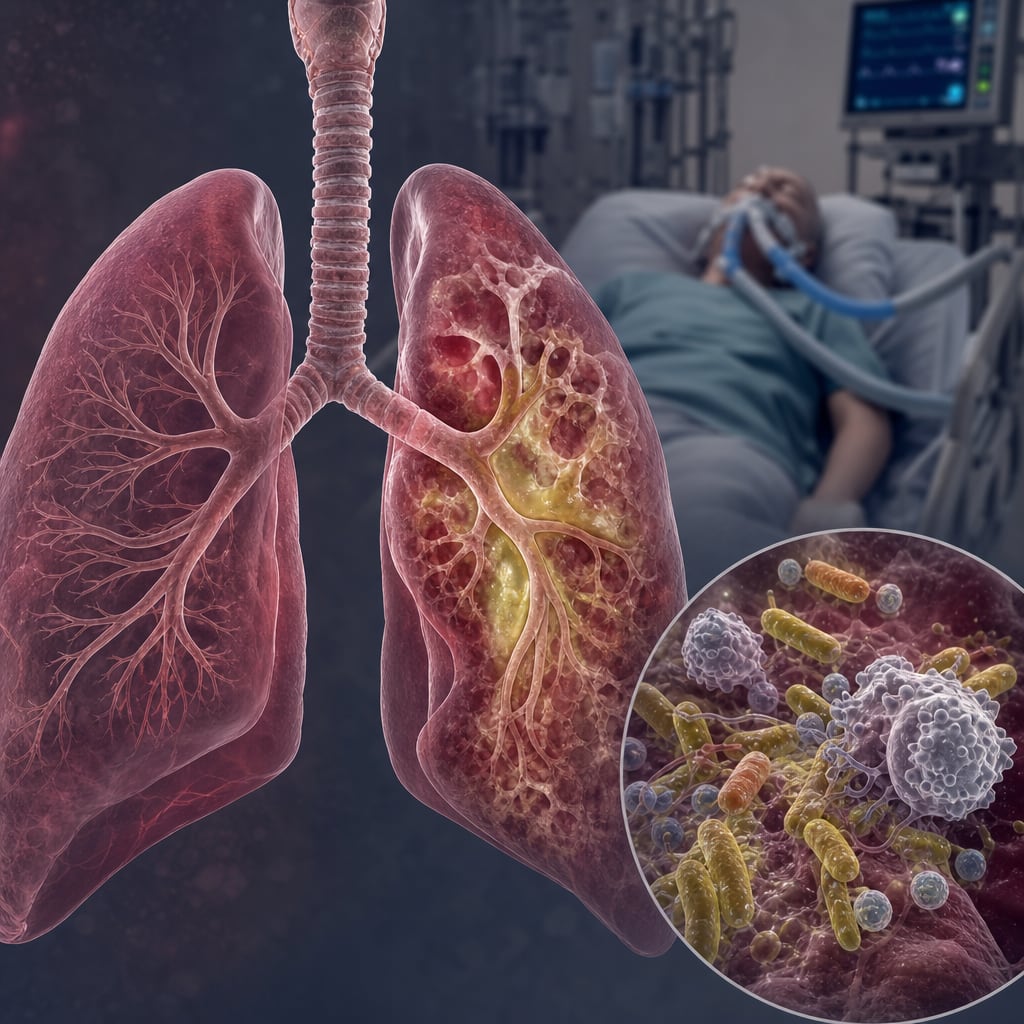
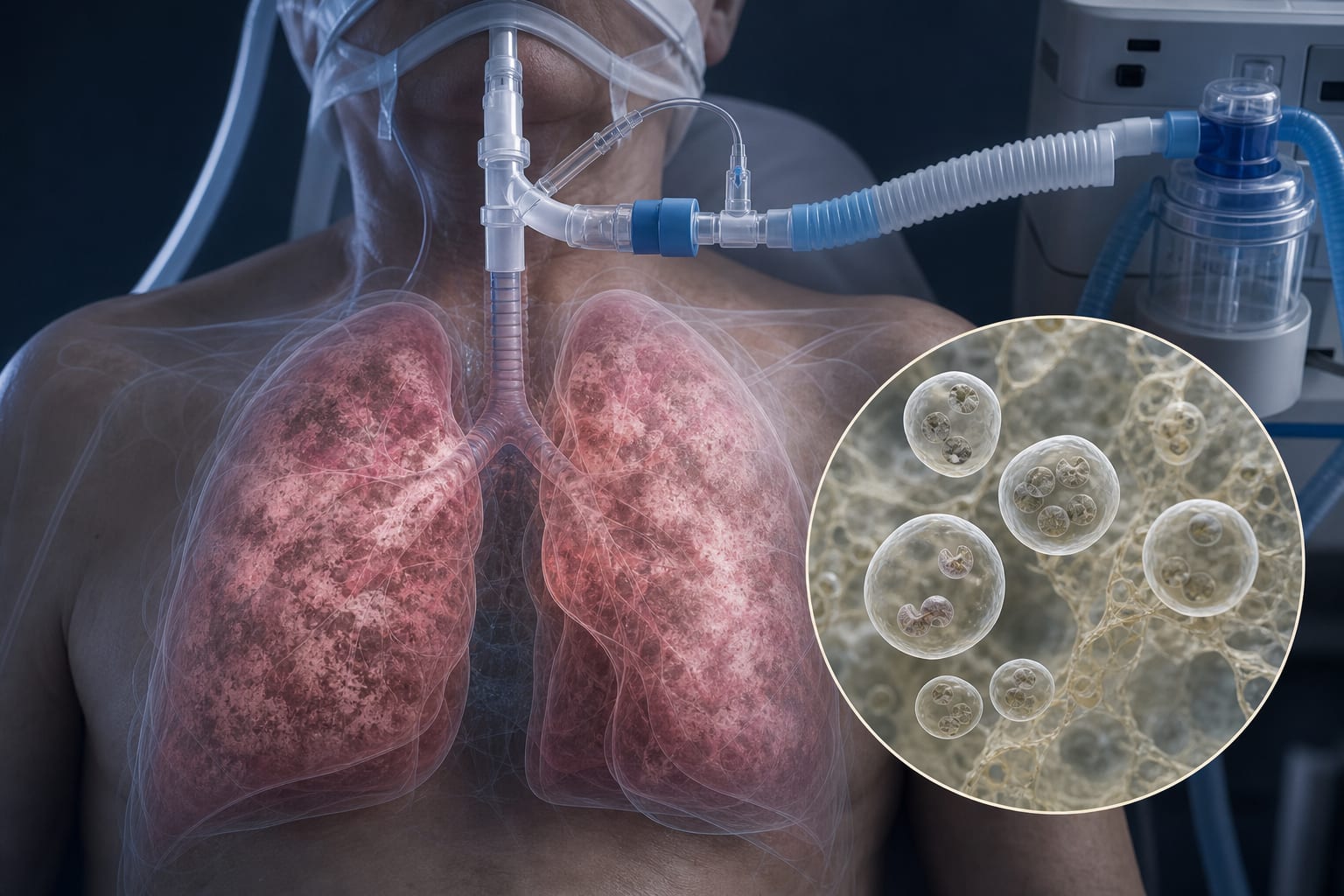
Patients with active malignancies are at heightened risk for infections due to immunosuppression from both the disease and its treatment. Pneumonia, particularly HAP and VAP, is a common and serious complication in these patients, leading to increased mortality and healthcare costs. Understanding the epidemiology and risk factors associated with pneumonia in this population is crucial for improving patient management and outcomes.
Data Highlights
No numerical data provided in the source material.
Key Findings
Cross-check findings with source material for accuracy and completeness; add data points if available.
Clinical Implications
Healthcare providers should be vigilant in monitoring for signs of pneumonia in patients with active lung or lower head and neck cancer, particularly those undergoing anti-cancer therapies. Implementing effective infection control measures and optimizing antibiotic use may improve patient outcomes and reduce complications.
Conclusion
Strengthen the conclusion by linking findings to existing literature and emphasizing their significance.
by Sina M. Pütz, Marie Engelhard, Sebastian M. Wingen-Heimann, David F. Brilz, Brune Akrich, Heike Kohl, Annika Y. Classen, Carlota Gudiol, Enric Sastre-Escola, Franziska C. Trudzinski, Arturo Olivares Rivera, Eva Lücke, Tadeusz Marczewski, Ayham Daher, Stephan Eisenmann, Jacqueline Schmitz, Anke Reinacher-Schick, Julia von Tresckow, Rebekka Mispelbaum, Tessa Hattenhauer, J. Janne Vehreschild