Decreases in Epicardial and Mediastinal Fat Improve Cardiac Function Post-LSG
Overview
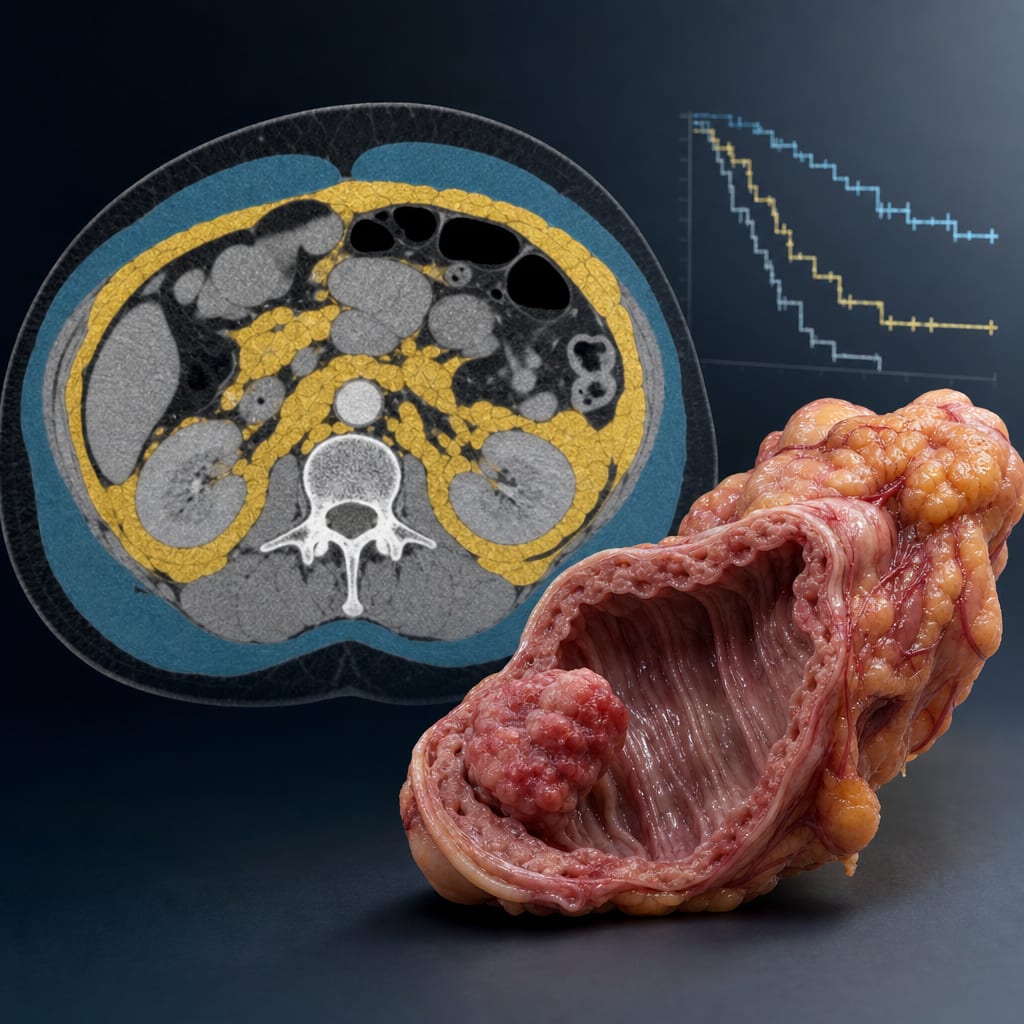
This study demonstrates that reductions in epicardial adipose tissue (EAT) and mediastinal fat (MF) following laparoscopic sleeve gastrectomy (LSG) correlate with enhanced cardiac function in patients with severe obesity. Cardiac ultrasound and CT imaging showed significant decreases in EAT and MF volumes alongside improvements in left ventricular ejection fraction and diastolic parameters at 1 year post-surgery.
Background
Severe obesity is linked to cardiovascular diseases through mechanisms including hypertension, type 2 diabetes, and dyslipidemia. Epicardial adipose tissue (EAT), located between the myocardium and epicardium, is associated with left ventricular wall thickening and impaired diastolic function, posing a risk for heart failure. Mediastinal fat (MF) also accumulates in severe obesity but its impact on cardiac function remains unclear. This study aimed to evaluate how reductions in EAT and MF after LSG affect cardiac function.
Data Highlights
Parameter
Baseline
1 Year Post-LSG
Epicardial Adipose Tissue (EAT) Volume (mL)
Not specified
Decreased significantly
Mediastinal Fat (MF) Volume (mL)
Not specified
Decreased significantly
Left Ventricular Ejection Fraction (%)
67.2 ± 11.6 (excluded patients)
Improved post-LSG
Diastolic Function Parameters (E/e′, septal e′, lateral e′)
Normal in excluded patients
Improved post-LSG
Body Mass Index (BMI) (kg/m2)
>35 (inclusion criteria)
Decreased significantly
Key Findings
LSG resulted in significant reductions in epicardial adipose tissue and mediastinal fat volumes at 1 year post-operation.
Decreases in EAT and MF correlated with improvements in left ventricular ejection fraction and diastolic function parameters.
Patients showed improvements in cardiac wall thickness and heart size measurements post-LSG.
Metabolic parameters including insulin resistance and inflammatory markers improved alongside fat reductions.
The study included 75 patients with severe obesity meeting Japanese insurance criteria for LSG.
Clinical Implications
Monitoring epicardial and mediastinal fat volumes via CT imaging can provide valuable insights into cardiac risk and function in patients with severe obesity. LSG not only promotes weight loss but also reduces cardiac fat depots that are linked to impaired cardiac function, suggesting a beneficial role in preventing heart failure. Multidisciplinary care post-LSG is essential to optimize metabolic and cardiac outcomes.
Conclusion
Reduction of epicardial and mediastinal adipose tissue following laparoscopic sleeve gastrectomy is associated with enhanced cardiac function in patients with severe obesity. These findings support the role of surgical weight loss interventions in improving cardiovascular health beyond traditional metabolic benefits.
References
Kawasaki et al. 2023 -- Decreases in Epicardial Fat and Mediastinal Adipose Tissue Correlate with Enhanced Cardiac Function