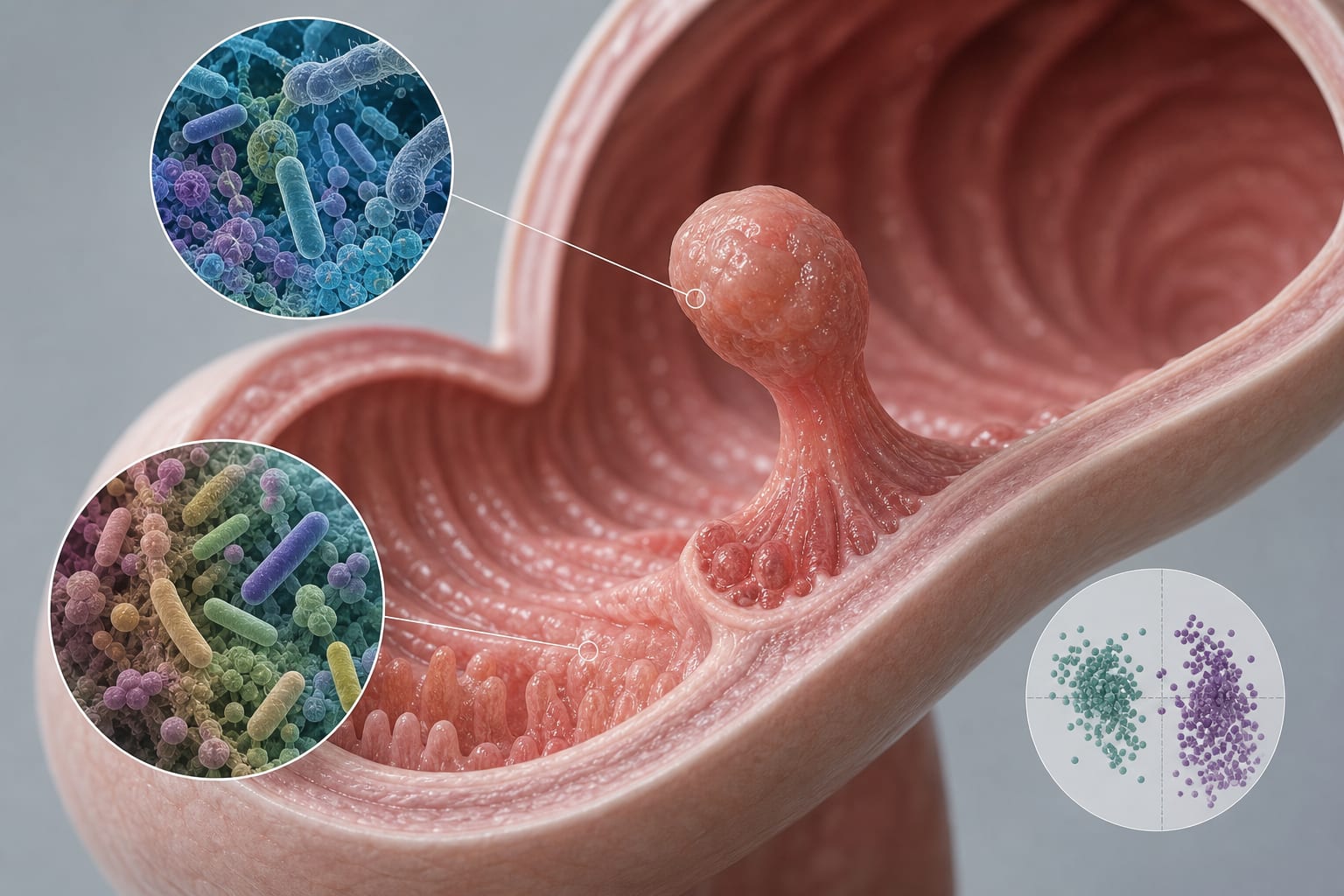
Clinical Report: Undetected Anal and Anorectal Tumors in Endoscopic Assessments
Overview
This retrospective analysis reveals that approximately 12% of anal and anorectal tumors are missed during colonoscopy, primarily due to inadequate visualization and low rates of retroflexion examination. Standardizing examination procedures and enhancing endoscopists' knowledge may mitigate these missed diagnoses.
Background
Anal and anorectal tumors, while rare, account for 4% of lower gastrointestinal tract cancers and pose significant diagnostic challenges during endoscopic assessments. Missed diagnoses can lead to delayed treatment and poorer patient outcomes. Understanding the factors contributing to these missed diagnoses is crucial for improving detection rates and patient care.
Data Highlights
No numerical data available.
Key Findings
12% of anal and anorectal tumors were missed during colonoscopy.
Inadequate visualization and low retroflexion rates contributed to missed diagnoses.
Exposure errors, judgment errors, and biopsy errors were identified as primary causes of missed tumors.
Standardizing endoscopic examination procedures may reduce the incidence of missed diagnoses.
Endoscopists' familiarity with anal and anorectal tumor features is critical for accurate detection.
Clinical Implications
Healthcare professionals should prioritize thorough endoscopic examinations, including retroflexion, to enhance the detection of anal and anorectal tumors. Continuous education and training for endoscopists on the features of these tumors may further improve diagnostic accuracy.
Conclusion
The findings underscore the importance of improving endoscopic techniques and training to reduce the rate of missed anal and anorectal tumors, ultimately enhancing patient outcomes.
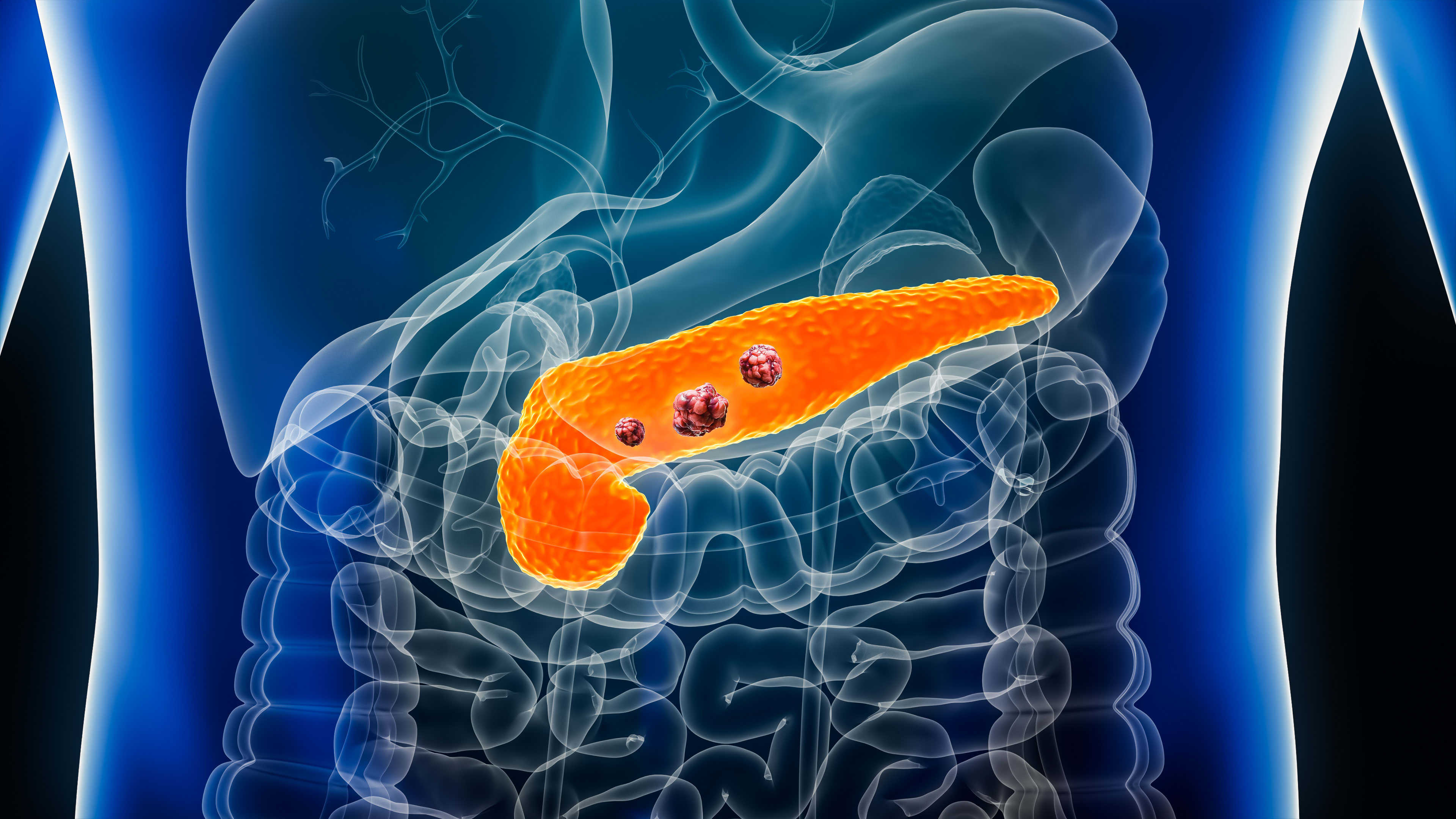
In the phase 3 PANOVA-3 trial, adding Tumor Treating Fields therapy to gemcitabine and nab-paclitaxel was associated with improved overall survival and delayed pain progression in adults with locally advanced pancreatic cancer.