Distinguishing Microbial Detection from Implant-Related Infection: A Structured Narrative Review of Analytical Validity, Biological Persistence, Host Response, and Clinical Causality
-
By
-
Liao Chang-sheng
-
Lan feng-jun
-
Liu huan-sheng
-
Huang qiang
-
Zhou zong-ke
-
October 12, 2026
Clinical Report: Distinguishing Microbial Detection from Implant-Related Infection
Overview
This structured narrative review examines why a positive culture, molecular assay, or biofilm-associated test does not by itself establish orthopaedic implant-related infection. It proposes assessing analytical credibility, biological viability or persistence, and evidence linking the signal to host response, tissue injury, implant failure, or a clinically meaningful outcome.
Background
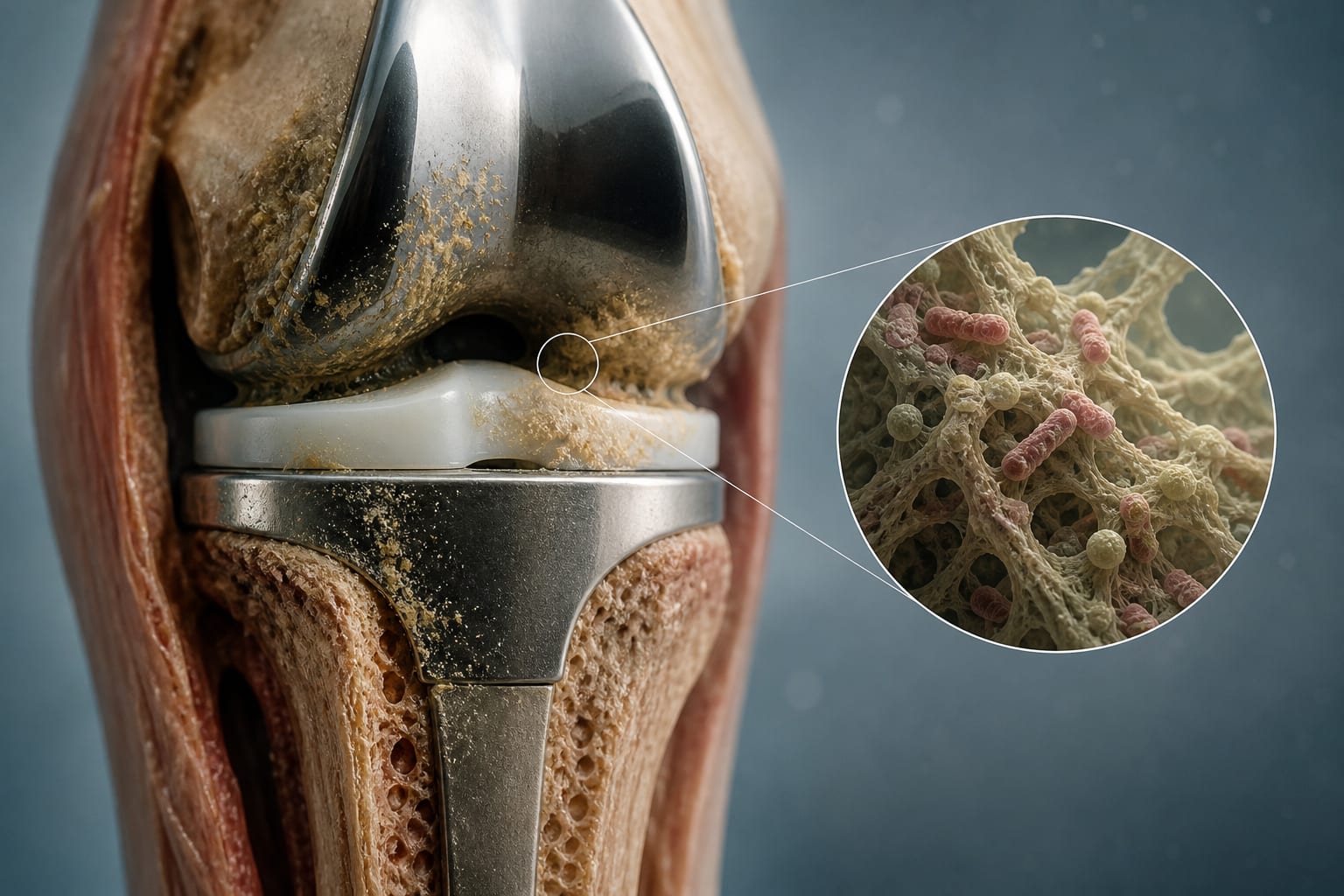
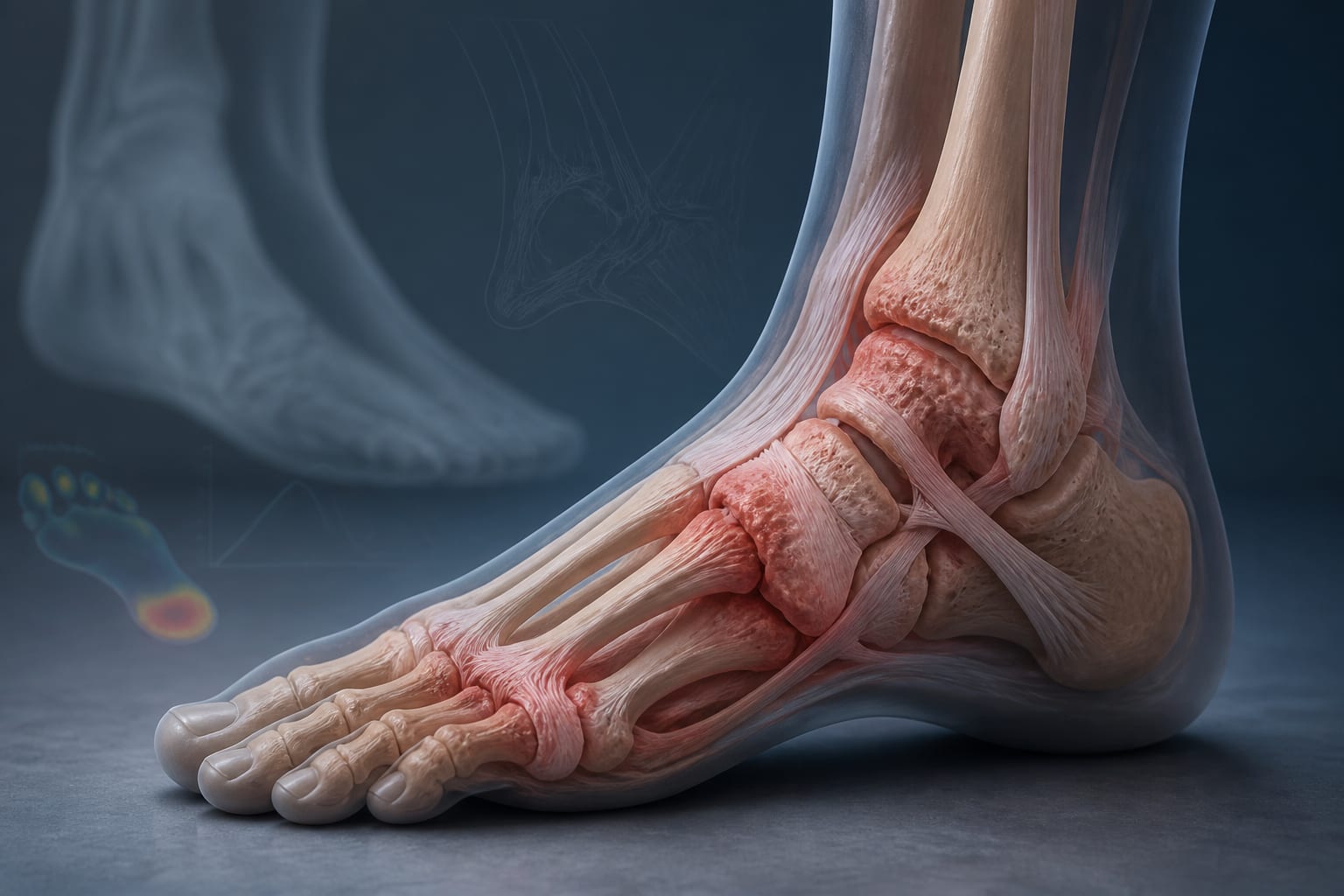
Microbial signals can be detected in samples from joint prostheses, fracture-fixation devices, and spinal instrumentation without evidence sufficient to confirm infection under the applicable diagnostic framework. Such findings may reflect contamination, non-viable microbial material, viable persistence without clinical manifestations, or infection that was not recognized because evaluation was incomplete or host response attenuated. The review notes that pain, loosening, osteolysis, stiffness, pseudarthrosis, and screw loosening can occur in indolent infection, so a preoperative designation of “presumed aseptic” does not establish absence of infection. It also distinguishes routinely explanted fracture-fixation devices from arthroplasty and spinal revision cohorts, where infection may have contributed to the failure prompting revision.
Data Highlights
This is a structured narrative review, not a systematic evaluation of intervention effects or diagnostic accuracy. Searches of PubMed, Embase, and Web of Science covered literature through 27 June 2026. Meta-analysis was not undertaken because populations, sampling protocols, infection definitions, microbiological methods, treatment exposures, and outcome definitions were not sufficiently homogeneous.
Key Findings
- A positive conventional culture, blood-culture-bottle method, unexpected positive intraoperative culture, sonication, broad-range PCR, 16S rRNA sequencing, or mNGS result may occur without sufficient clinical, laboratory, histological, and imaging support for confirmed infection.
- The review defines an “interpretive gray zone” as a positive microbiological, molecular, or biofilm-associated signal without a sufficiently coherent evidence chain to establish infection under the applicable diagnostic framework.
- Potential explanations for a signal include sampling or laboratory contamination, non-viable microbial material, viable persistence without clinical manifestations, and infection missed because the workup was incomplete or host response attenuated.
- Absence of fever, sinus tract, purulence, or increased systemic inflammatory markers does not, by itself, exclude clinically relevant disease; revision indications such as pain, loosening, osteolysis, stiffness, pseudarthrosis, or screw loosening may occur with indolent infection.
- The review frames interpretation in three stages: assess whether the signal is analytically credible, whether it reflects viable or persistent biological activity, and whether it is causally linked to host response, tissue injury, implant failure, or a clinically meaningful infection-related outcome.
- The review treats “stable coexistence” as a longitudinal phenotype or hypothesis, not as a microbiological state directly proven by the evidence described.
Clinical Implications
Interpret positive implant-associated microbiological or molecular findings in the context of the applicable diagnostic framework and the accompanying clinical, laboratory, histological, and imaging evidence. The review’s staged approach separates analytical credibility and biological persistence from evidence of clinical causality; it does not present a positive signal alone as confirmation of infection.
Conclusion
Microbial detection and implant-related infection are distinct claims. Establishing infection requires a coherent evidence chain that connects a credible signal to biological activity and clinically relevant host or tissue consequences.
Related Resources & Content
- The EBJIS definition of periprosthetic joint infection: a practical guide for clinicians, Bone & Joint Infection, 2021
- IDSA and ASM, Clinical Infectious Diseases, 2024 -- Guide to Utilization of the Microbiology Laboratory for Diagnosis of Infectious Diseases: 2024 Update
- The Journal of Infectious Diseases -- Designing and Evaluating a Low-Biomass Microbiome Research Study: Insights from Data Analysis
- Open Forum Infectious Diseases -- Impact of Positive Metagenomic Next-Generation Sequencing Report Interpretation on Diagnosing Infections in Patients with Hematological Conditions
- Infection — Metagenomic Insights into Rare Bacterial Infections: Diagnostic and Treatment Challenges—A Review of Current Literature
- Open Forum Infectious Diseases — Lactobacillus Species Bacteremia and Associated Endovascular Infections: A Retrospective Analysis of 100 Cases
- The EBJIS definition of periprosthetic joint infection: a practical guide for clinicians
- Guide to Utilization of the Microbiology Laboratory for Diagnosis of Infectious Diseases: 2024 Update by IDSA and ASM
- Designing and Evaluating a Low-Biomass Microbiome Research Study: Insights from Data Analysis
- Impact of Positive Metagenomic Next-Generation Sequencing Report Interpretation on Diagnosing Infections in Patients with Hematological Conditions
- The EBJIS definition of periprosthetic joint infection: a practical guide for clinicians - PMC
- https://jbji.copernicus.org/articles/10/165/2025/jbji-10-165-2025.pdf
Based on findings from:
The boundary between microbial detection and implant-related infection: a structured narrative review of analytical credibility, biological persistence, host response, and clinical causality
Liao Chang-sheng, Lan feng-jun, Liu huan-sheng, Huang qiang, Zhou zong-ke. Archives Of Orthopaedic And Trauma Surgery, 2026.
https://link.springer.com/article/10.1007/s00402-026-06505-y
This content is an AI-generated, fully rewritten summary based on a published scholarly article. It does not reproduce the original text and is not a substitute for the original publication. Readers are encouraged to consult the source for full context, data, and methodology.