Current Approaches to Managing IDH-Mutant Gliomas: Insights from a Survey
Overview
This report presents findings from a survey assessing treatment preferences for IDH-mutant gliomas among multidisciplinary specialists. The results indicate variations in management approaches based on clinical scenarios and physician demographics.
Background
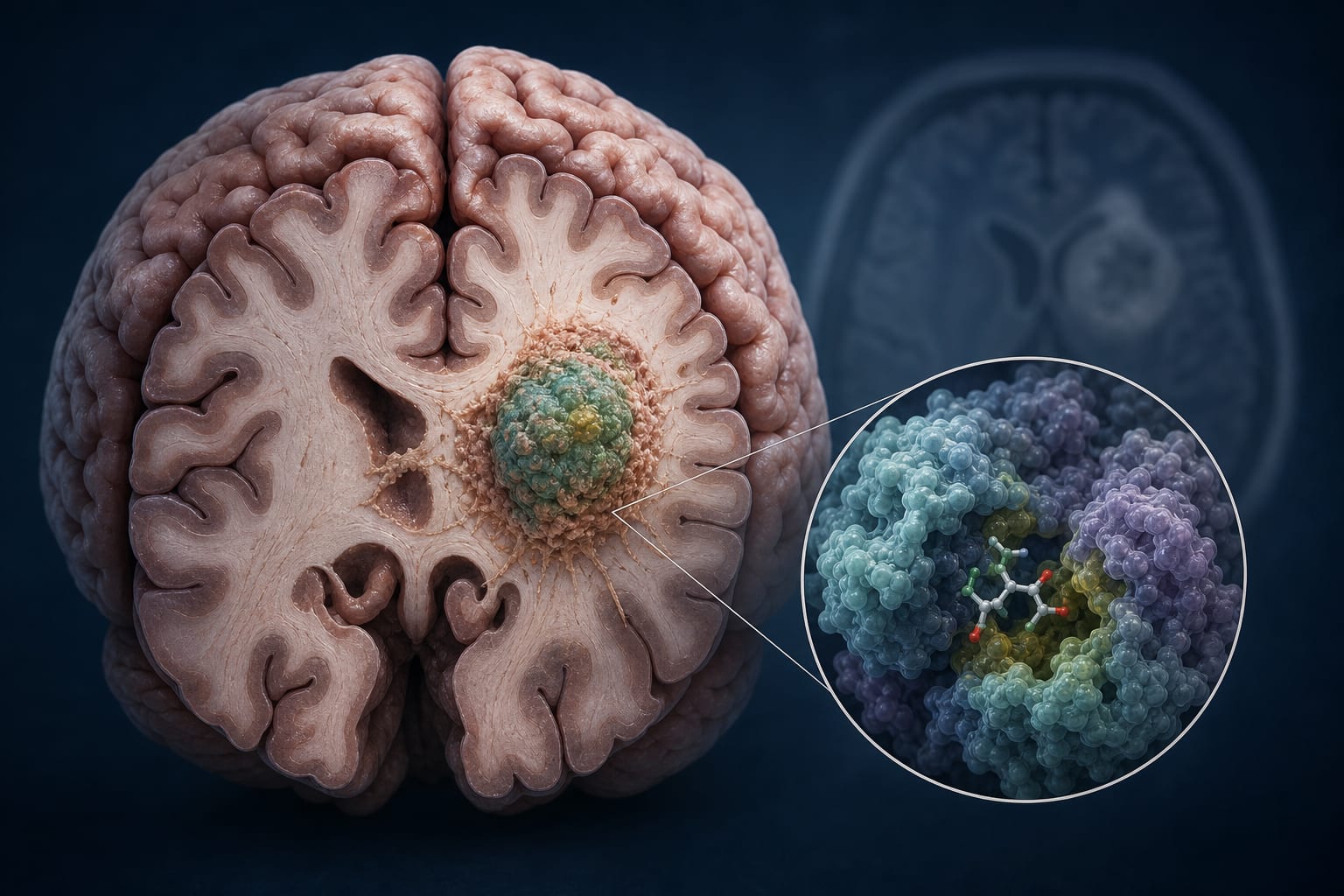
IDH-mutant gliomas, including astrocytomas and oligodendrogliomas, are a distinct subset of brain tumors characterized by specific genetic mutations. These tumors are often associated with a better prognosis than IDH-wild type glioblastomas, but they remain incurable, necessitating ongoing research and evolving treatment strategies. Recent advancements, including the FDA approval of the IDH inhibitor vorasidenib, represent a shift in management paradigms for these tumors.
Data Highlights
No numerical data was provided in the source material.
Key Findings
Survey conducted among neuro-oncologists, medical oncologists, radiation oncologists, and neurosurgeons regarding IDH-mutant glioma management.
Participants were presented with case-based scenarios to evaluate treatment decision-making processes.
Management options included observation, IDH inhibitors, chemotherapy, radiotherapy, and combinations thereof.
Considerable practice variation was noted across specialties and institutions in treatment recommendations.
Factors influencing decisions included patient age, tumor grade, and extent of resection.
Clinical Implications
The findings indicate a need for standardized treatment protocols to reduce variability in management of IDH-mutant gliomas. Clinicians should consider multidisciplinary input and emerging evidence when making treatment decisions.
Conclusion
The survey underscores the complexity of managing IDH-mutant gliomas and highlights the importance of continued dialogue among specialists to optimize patient care.
by Tyler A. Lanman, L. Nicolas Gonzalez Castro, Haley K. Perlow, Gilbert Youssef, Roy E. Strowd, Michael T. Milano, Marina Kushnirsky, Ankush Bhatia, Patrick Y. Wen, Julie J. Miller, Benjamin J. Rich