Creation and External Validation of a Predictive Model for Postoperative Hypoxemia Following Laparoscopic Sleeve Gastrectomy in Obese Patients: A Multicenter Retrospective Analysis - Report - MDSpire
Advertisement
Creation and External Validation of a Predictive Model for Postoperative Hypoxemia Following Laparoscopic Sleeve Gastrectomy in Obese Patients: A Multicenter Retrospective Analysis
Clinical Report: Predictive Model for Postoperative Hypoxemia in LSG Patients
Overview
This study developed and validated a predictive model for postoperative hypoxemia following laparoscopic sleeve gastrectomy (LSG) in obese patients. The model aims to enhance surgical safety by identifying high-risk patients and facilitating timely interventions.
Background
The prevalence of obesity is rising globally, with significant implications for healthcare, particularly in surgical settings. Laparoscopic sleeve gastrectomy is a common bariatric procedure, yet postoperative hypoxemia remains a frequent complication that can lead to severe outcomes. Understanding the risk factors for hypoxemia is crucial for improving patient management and outcomes in bariatric surgery.
Data Highlights
Parameter
Value
Sample Size (Training Cohort)
195
Sample Size (Validation Cohort)
105
Incidence of Hypoxemia
80%
Key Findings
Postoperative hypoxemia is the most common pulmonary complication following LSG.
The incidence of hypoxemia in obese patients after bariatric surgery can reach up to 80%.
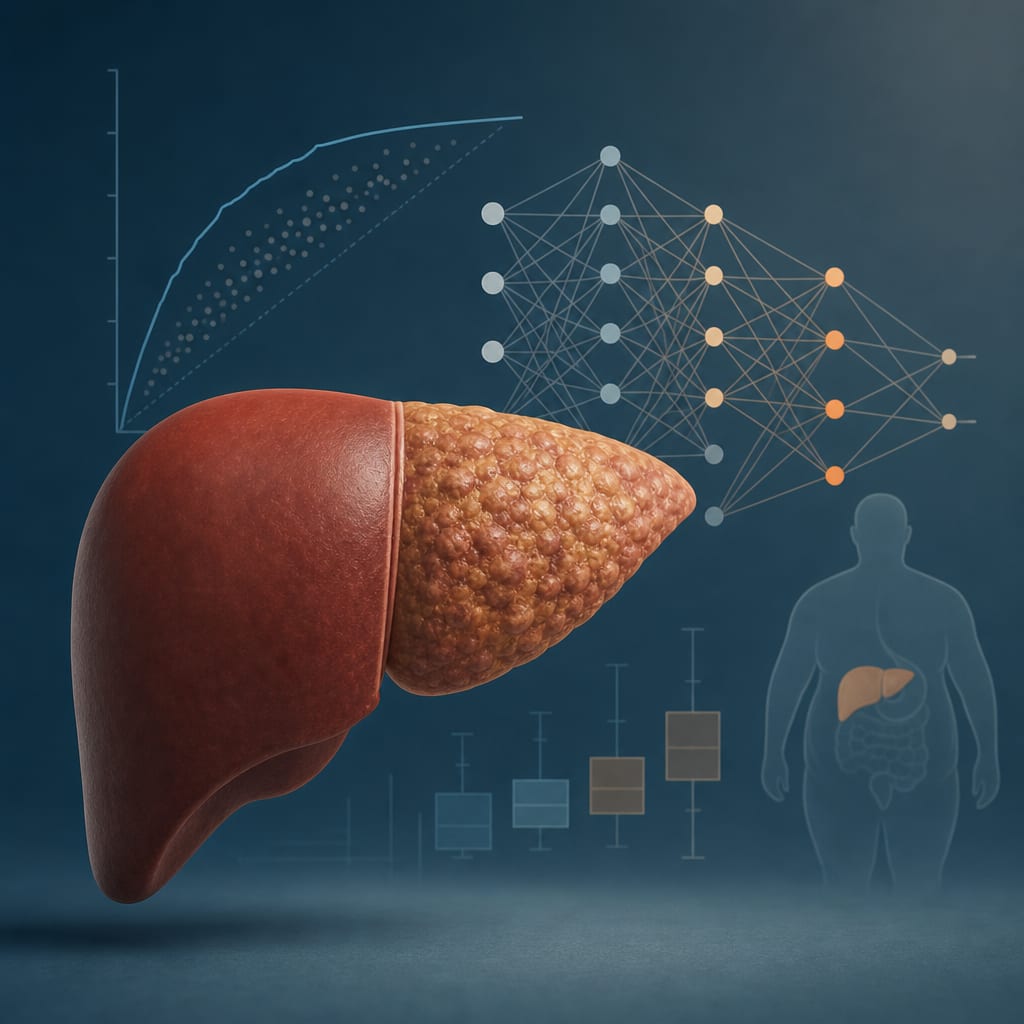
A predictive nomogram was developed to assess the risk of hypoxemia within 24 hours post-surgery.
Key predictive variables included age, BMI, smoking history, and comorbidities such as OSA.
External validation of the model was conducted with a cohort of 105 patients.
Clinical Implications
The predictive model can assist clinicians in identifying patients at high risk for postoperative hypoxemia, allowing for targeted monitoring and intervention strategies. Early identification of at-risk patients may improve postoperative outcomes and reduce complications associated with hypoxemia.
Conclusion
The development and validation of a predictive model for postoperative hypoxemia in LSG patients represent a significant advancement in perioperative care. Implementing this model can enhance patient safety and optimize recovery strategies in bariatric surgery.