Clinical Report: Advances in Chronic Subdural Hematoma Management from Recent RCTs
Overview
This review summarizes findings from 95 randomized controlled trials (RCTs) on chronic subdural hematoma (CSDH) management, including 41 published and 54 ongoing studies. Recent RCTs have influenced clinical practice, notably discouraging steroid use and highlighting emerging therapies such as tranexamic acid, statins, and middle meningeal artery embolisation (MMAE).
Background
Chronic subdural hematoma is a common neurosurgical condition predominantly affecting the elderly, with incidence rising alongside aging populations. Surgical evacuation via burr holes with drainage remains the standard treatment, though significant variation exists in surgical techniques worldwide. Non-surgical options and alternative interventions like MMAE are under investigation. Despite clinical practice guidelines, there is no consensus on optimal management, underscoring the need for high-quality RCTs to guide evidence-based care.
Data Highlights
Category
Number of Trials
Published Trials
41
Ongoing Trials
54
Total Trials Included
95
Key Findings
RCTs completed since 2019 have demonstrated inferior outcomes with dexamethasone, leading to reduced steroid use in CSDH management.
There is considerable heterogeneity in surgical techniques, including drainage type/duration, anesthesia choice, and burr hole number.
Emerging pharmacological treatments under investigation include tranexamic acid and statins.
Minimally invasive procedures such as middle meningeal artery embolisation (MMAE) are gaining research interest.
Recent clinical practice guidelines acknowledge limited high-quality evidence and emphasize the need for further RCTs.
The number of CSDH-related publications and RCTs has increased significantly since 2019, reflecting growing research activity.
Clinical Implications
Clinicians should reconsider the use of steroids in CSDH given evidence of inferior outcomes. Surgical management remains primary but should be tailored considering ongoing research into optimal techniques. Awareness of emerging therapies like tranexamic acid, statins, and MMAE may inform future treatment decisions as evidence evolves.
Conclusion
Recent RCTs have substantially advanced understanding of CSDH treatment, influencing clinical practice and highlighting promising new therapies. Continued high-quality trials are essential to establish standardized, evidence-based management protocols.
References
iCORIC Collaborative Research Initiative 2019 -- Systematic Review of RCTs in CSDH
Recent Clinical Practice Guidelines 2023 -- Recommendations for CSDH Management
Cochrane Risk of Bias 2 Tool 2019 -- Methodology for Assessing Trial Quality
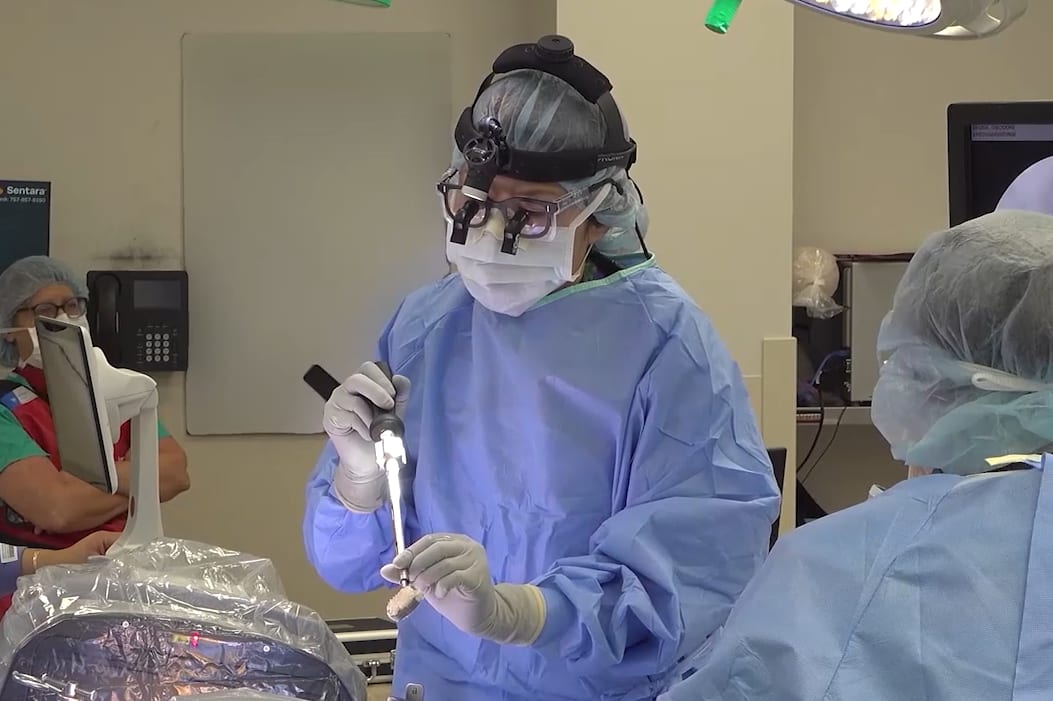
In this procedural case review, vascular surgeon Dr. Samuel Steerman and neurosurgeon Dr. Shannon Clark collaborate to perform an anterior lumbar interbody fusion (ALIF).