A systems-oriented Ayurvedic approach in chronic plaque psoriasis with renal inflammatory indicators: a 2-year longitudinal case report - Report - MDSpire
Clinical Report: A Comprehensive Ayurvedic Strategy for Managing Chronic Plaque Psoriasis
Overview
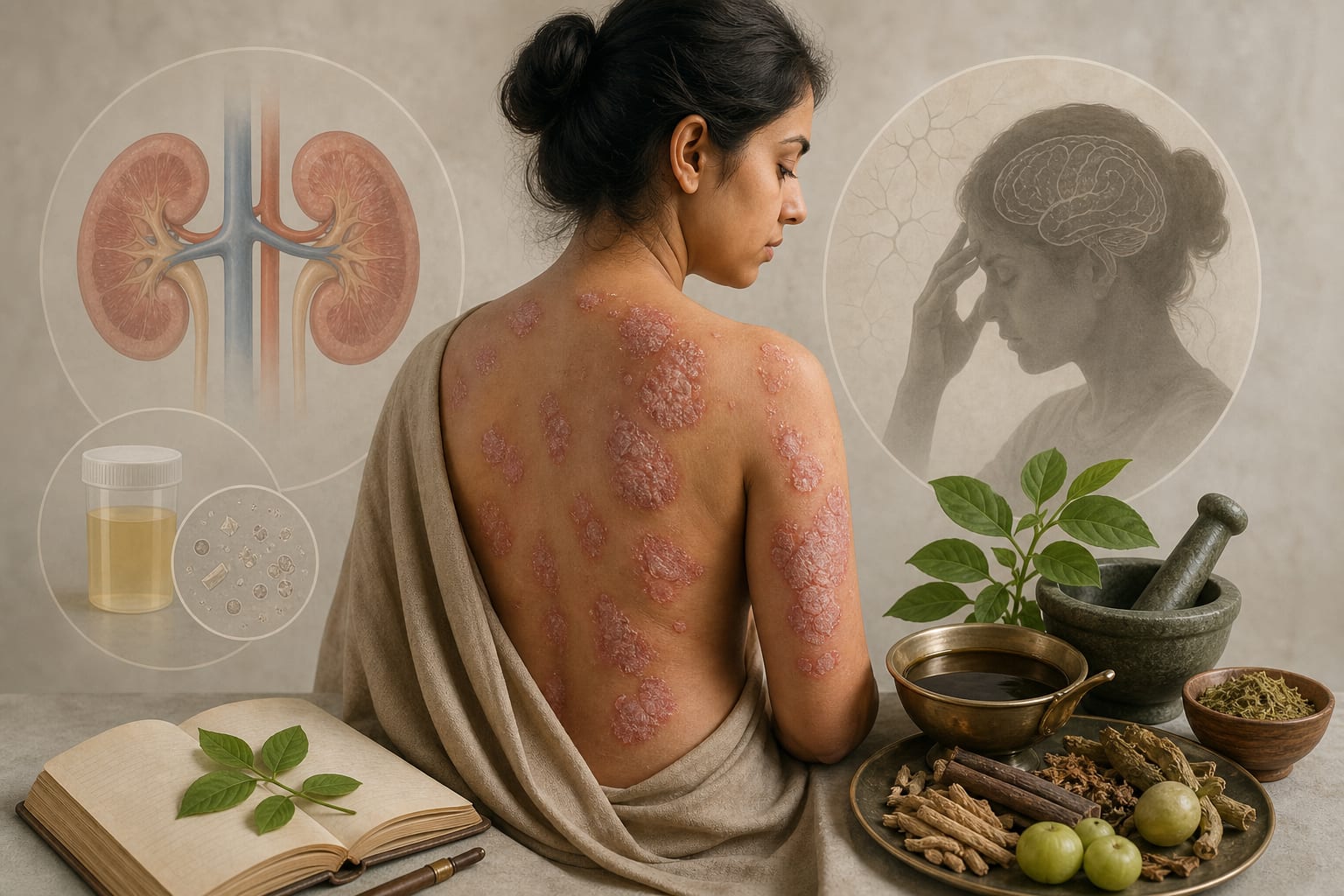
This case study presents a 22-year-old female with chronic plaque psoriasis and renal inflammation. Significant clinical improvements were observed, including a reduction in PASI scores and urinary inflammatory parameters.
Background
Psoriasis is a chronic systemic inflammatory disorder that can affect multiple systems, including the skin and kidneys. The association between psoriasis and renal abnormalities, along with the impact of psychological stress on disease activity, highlights the need for further exploration of holistic interventions.
Data Highlights
Parameter
Baseline
Post-Treatment
PASI Score
52
6
Perceived Stress Scale (PSS)
37
17
Urine Protein-Creatinine Ratio (UPCR)
Elevated
Improved
Key Findings
A 22-year-old female with chronic plaque psoriasis and renal inflammation showed marked improvement after Ayurvedic treatment.
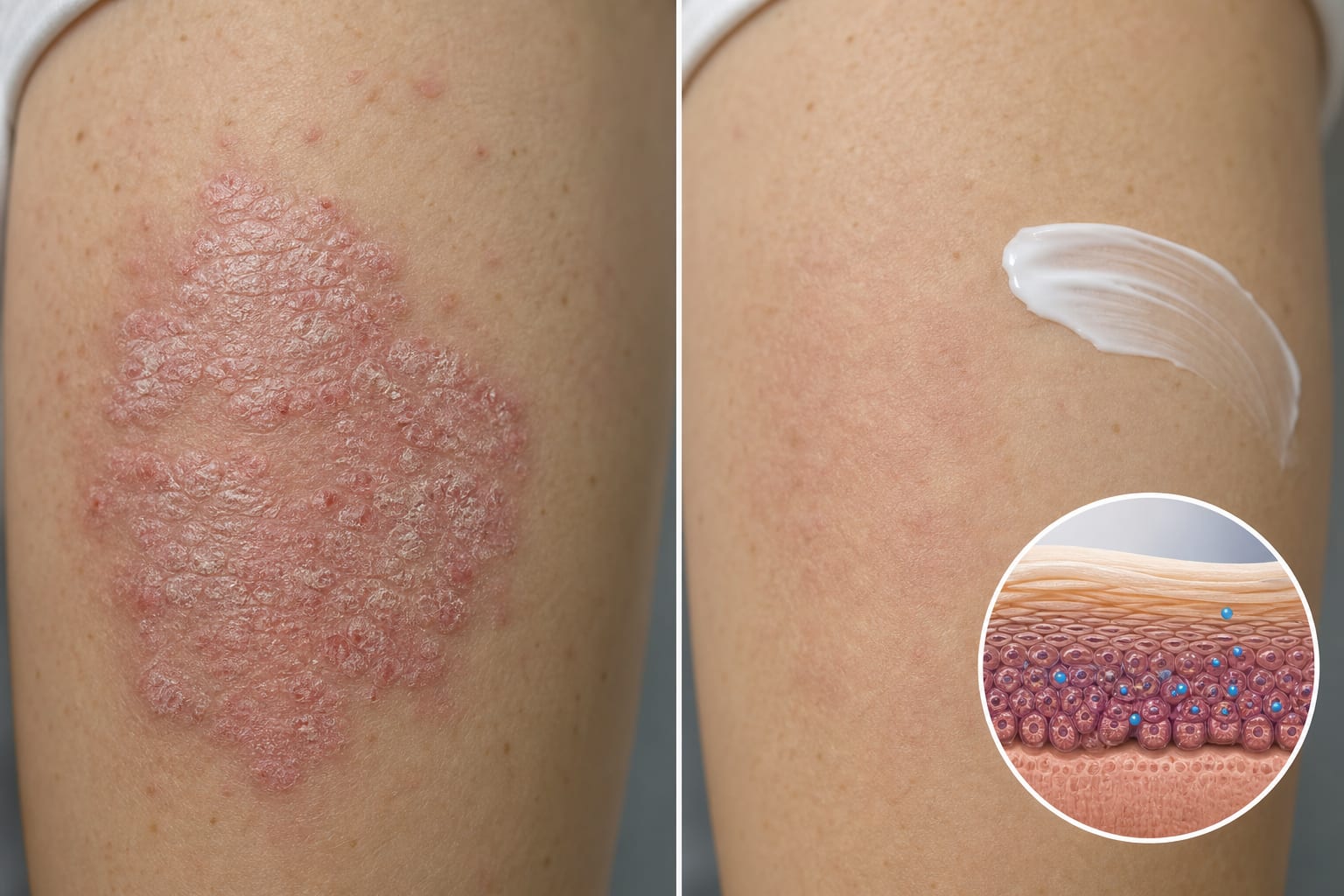
PASI score decreased from 52 to 6 following the first treatment schedule.
Perceived Stress Scale scores improved significantly from 37 to 17 after treatment.
The patient maintained near-complete remission for approximately 2 years.
A mild recurrence occurred with a PASI score of 12, which improved to 5 after a second treatment schedule.
Clinical Implications
The findings indicate that Ayurvedic interventions were associated with improvements in chronic plaque psoriasis, particularly in patients with renal inflammation and psychological stress.
Conclusion
This case study illustrates the findings of a comprehensive Ayurvedic strategy in managing chronic plaque psoriasis and its systemic effects.
Poorer dermatology-related quality of life was associated with greater mental health issues, while habitual probiotic intake showed no measurable relationship with these outcomes.