Clinical Report: Erratum on Autologous Fat Grafting for Cosmetic Enhancement
Overview
Remove unsupported claims about the importance of author affiliation corrections.
Background
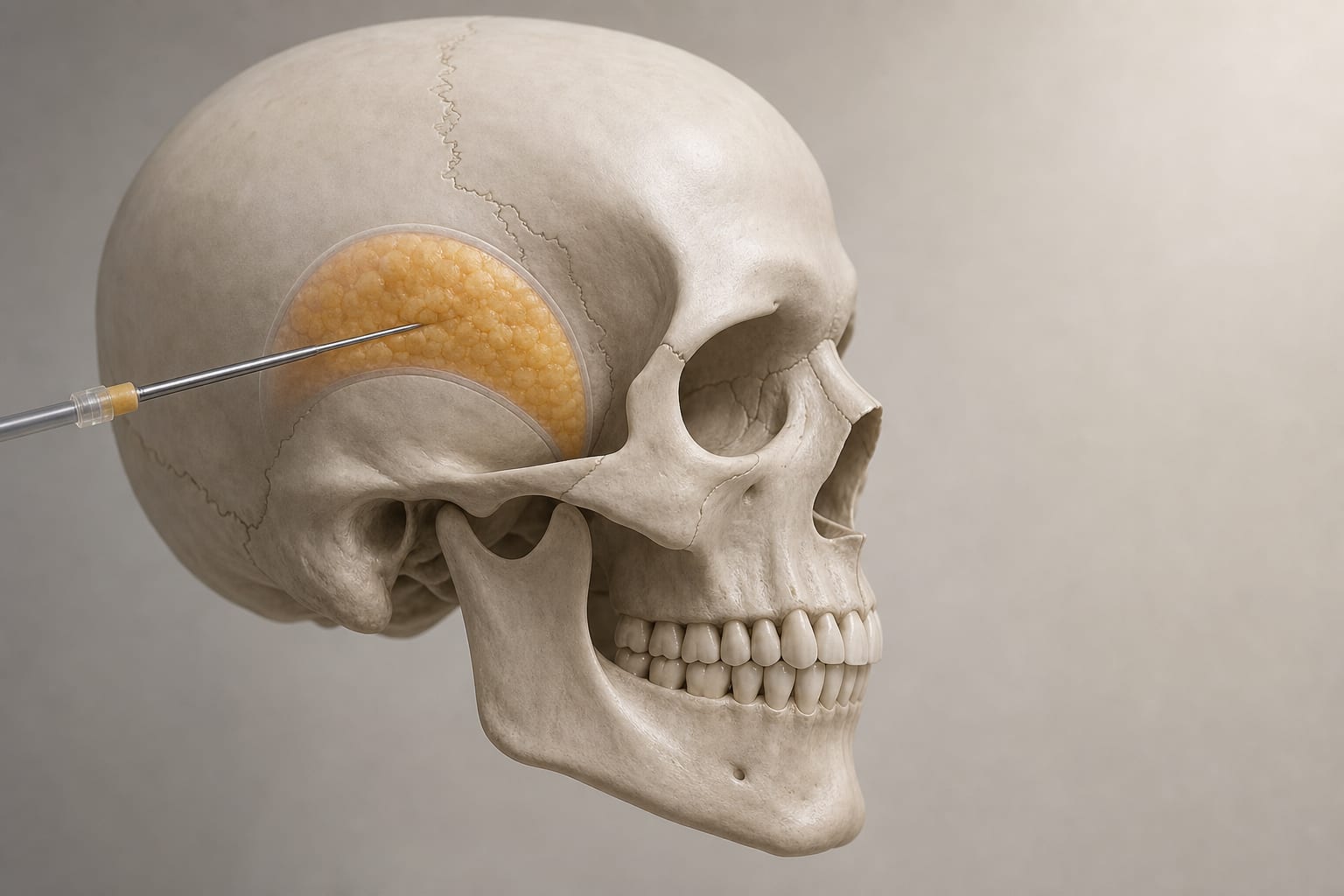
Autologous fat grafting (AFG) is a technique used for cosmetic enhancement, particularly in the temporal region. Understanding the safety and efficacy of AFG is crucial for clinicians performing aesthetic procedures. The correction of author affiliations in published literature ensures the integrity and accuracy of scientific communication.
Data Highlights
No numerical or trial data is presented in the erratum.
Key Findings
Correction of author affiliation for Ali-Farid Safi has been made.
The original article has been updated to reflect this correction.
Autologous fat grafting is commonly used for cosmetic temporal augmentation.
Volume retention in AFG varies widely, necessitating standardized measurement methods.
Complications associated with AFG can be severe, particularly in the temporal region.
Clinical Implications
Clinicians should ensure accurate author attribution in scientific literature to maintain trust in published findings. Awareness of the variability in AFG outcomes can guide patient discussions regarding expectations and potential complications.
Conclusion
The erratum serves to correct the author affiliation, reinforcing the importance of accuracy in scientific publications. Continued research and standardized practices are essential for improving AFG outcomes.
Analysis of 50 cases shows moderate diagnostic agreement between FNAC and histopathology and identifies pleomorphic adenoma as the most common neoplasm.