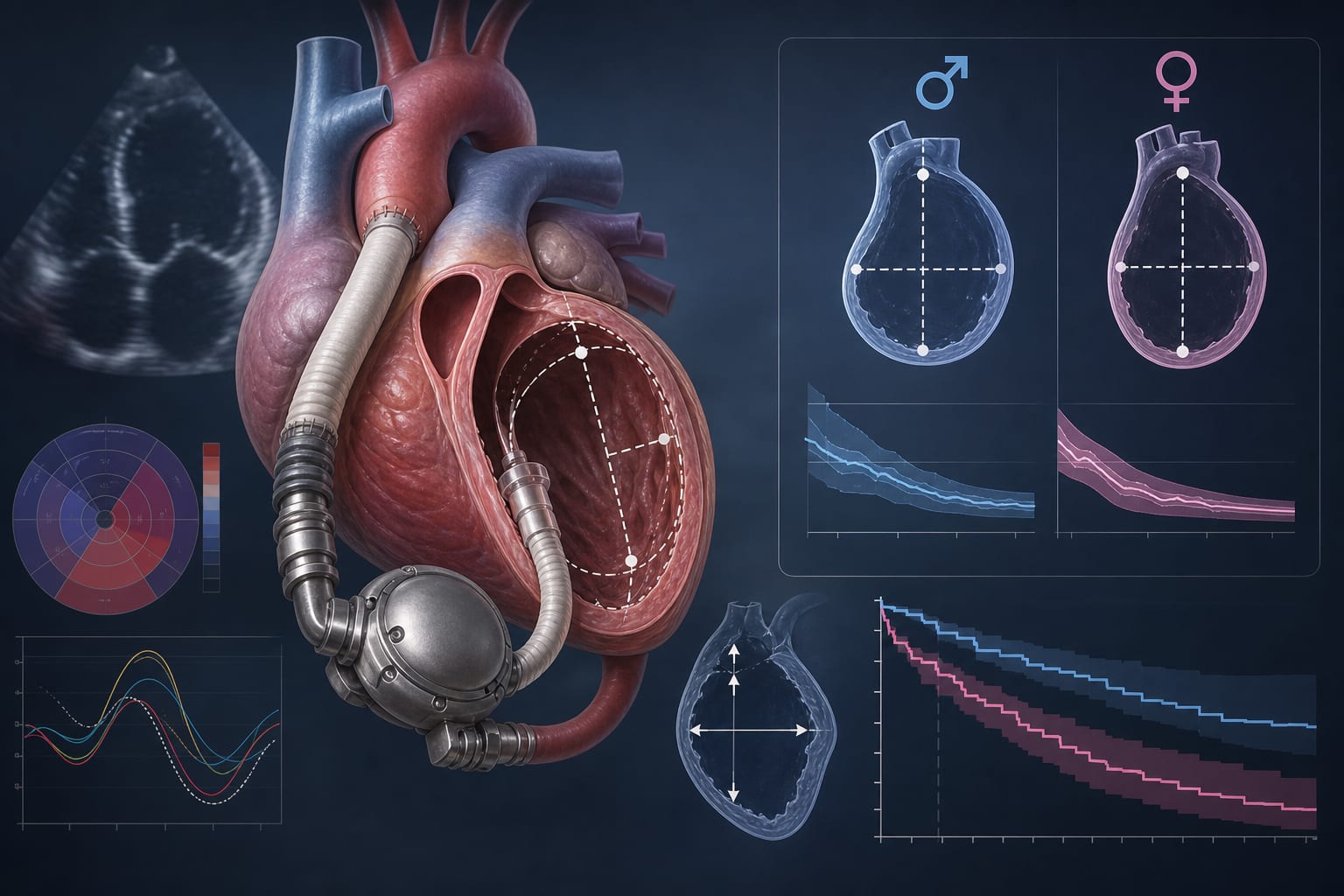
Clinical Report: Calcium Imbalance in Diabetic Cardiomyopathy and Heart Failure
Overview
This review highlights the complex mechanisms behind diabetic cardiomyopathy (DbCM) and its progression to heart failure with preserved ejection fraction (HFpEF), emphasizing the role of calcium-handling proteins.
Background
Diabetes is a significant risk factor for cardiovascular disease, particularly heart failure. Heart failure with preserved ejection fraction (HFpEF) is the most common form of heart failure in patients with type 2 diabetes (T2D). Understanding the molecular mechanisms, especially the impairment of calcium-handling proteins, is crucial for developing effective treatments for DbCM and HFpEF.
Data Highlights
No numerical data or trial data provided in the source material.
Key Findings
Diabetic cardiomyopathy (DbCM) occurs in the absence of significant coronary artery disease and can lead to heart failure.
Calcium (Ca2+) mishandling is a critical factor in the development of DbCM and HFpEF.
Impairment of cardiac proteins such as SERCA2a and RyR2 contributes to cardiac dysfunction in diabetes.
Current treatments do not reverse disease progression in DbCM or HFpEF.
Clinical Implications
The findings underscore the need for targeted therapies that address both diabetes and heart failure at the molecular level. Understanding the role of calcium-handling proteins may inform future treatment strategies for patients with DbCM and HFpEF.
Conclusion
The intersection of diabetes and heart failure, particularly through the lens of calcium handling, presents significant challenges and opportunities for future research and treatment development.