A network meta-analysis of the performance of acupoint stimulation therapy in improving fatigue, neurological function, and activities of daily living in patients with multiple sclerosis - Report - MDSpire
Advertisement
A network meta-analysis of the performance of acupoint stimulation therapy in improving fatigue, neurological function, and activities of daily living in patients with multiple sclerosis
Clinical Report: Efficacy of Acupoint Stimulation Therapy in MS Patients
Overview
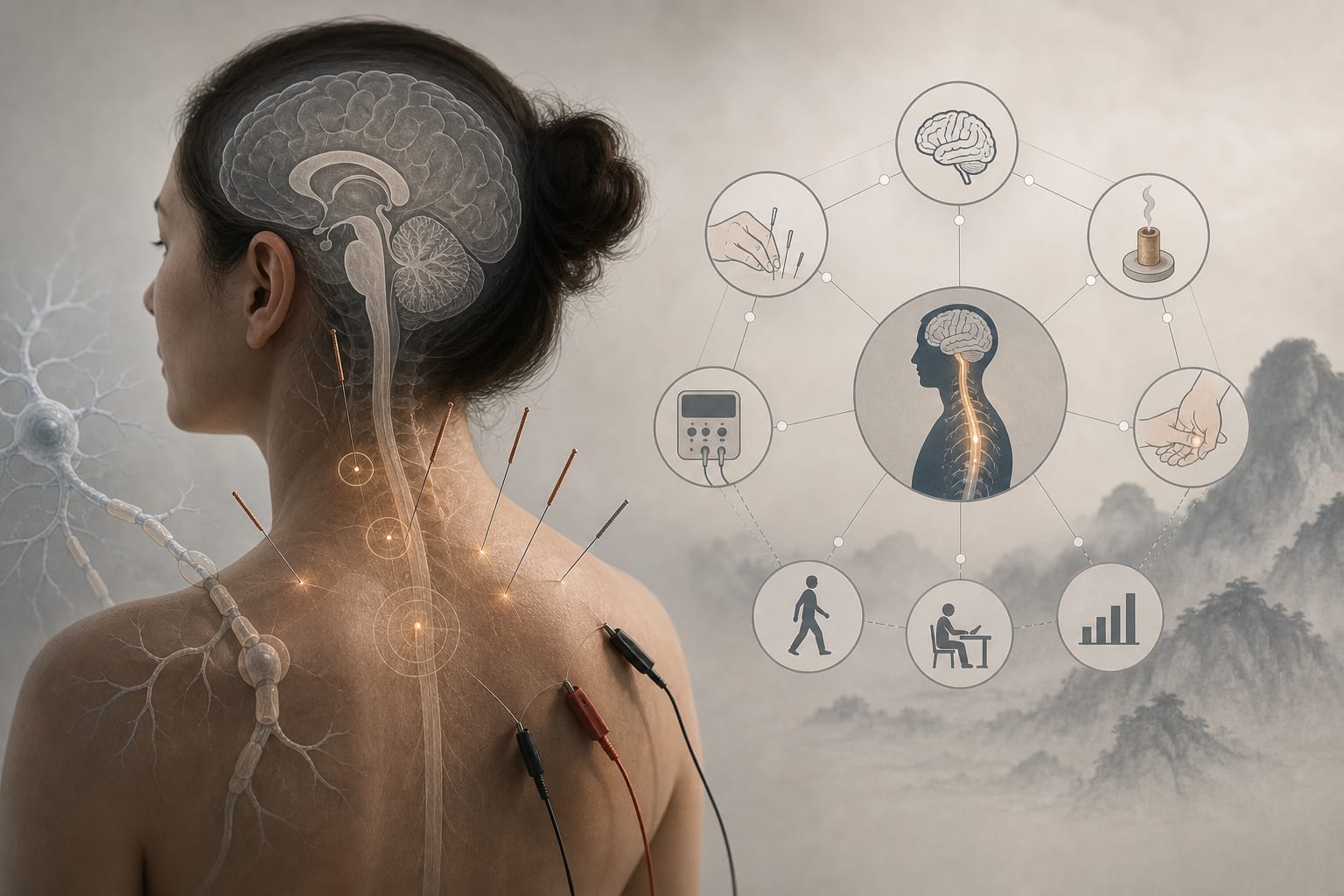
This systematic review and network meta-analysis evaluated the efficacy of various acupoint stimulation therapies on fatigue, neurological function, and daily living activities in individuals with multiple sclerosis (MS).
Background
Multiple sclerosis (MS) is a chronic autoimmune disease that leads to significant disability and impacts patients' quality of life. Current management strategies primarily focus on disease-modifying treatments and symptomatic care. Complementary therapies, such as acupoint stimulation, are being explored for their potential benefits in alleviating MS symptoms.
Data Highlights
Intervention
Outcome
Effect Size
Electroacupuncture + Acupoint Injection
Neurological Function (EDSS)
MD = -2.9 (95% CrI: -3.4 to -2.3)
Acupressure
Fatigue (FSS)
SMD = -1.3 (95% CrI: -1.6 to -1.0)
Electroacupuncture + Acupoint Injection
Activities of Daily Living (BI)
MD = 18 (95% CrI: 8.8 to 28)
Key Findings
Electroacupuncture combined with acupoint injection improved neurological function (EDSS).
Acupressure therapy relieved fatigue (FSS).
Electroacupuncture combined with acupoint injection improved activities of daily living (BI).
The study included 23 RCTs with a total of 1,384 patients.
Findings should be interpreted with caution due to methodological limitations and clinical heterogeneity.
Clinical Implications
The results indicate that acupoint stimulation therapies may serve as a complementary approach to standard pharmacotherapy in managing symptoms of MS. Clinicians should consider these therapies as part of a comprehensive treatment plan, while remaining aware of the limitations of the current evidence.
Conclusion
Acupoint stimulation therapy shows potential benefits for MS patients in terms of fatigue, neurological function, and daily living activities. However, further research is needed to establish definitive clinical recommendations.