Clinical Report: Apoptotic Mechanisms in Non-Obstructive Azoospermia
Background
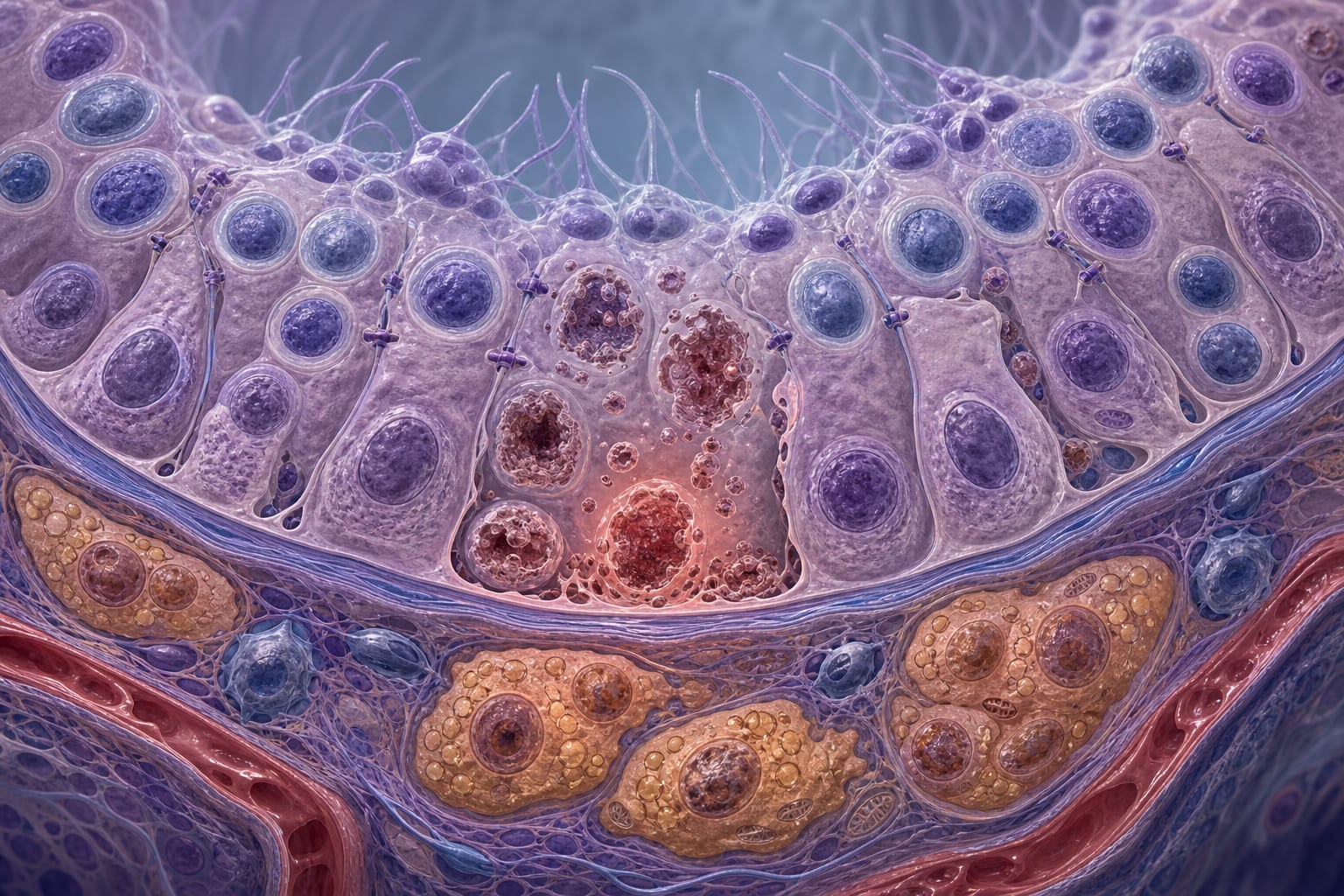
Non-obstructive azoospermia (NOA) is a significant male-factor infertility condition characterized by the absence of spermatozoa due to impaired spermatogenesis. Understanding the apoptotic mechanisms involved in NOA is crucial, as they may contribute to germ cell loss and affect the testicular microenvironment.
Data Highlights
No numerical data was provided in the source material.
Key Findings
NOA includes histological patterns such as Sertoli-cell-only syndrome, maturation arrest, and hypospermatogenesis.
Apoptosis plays a dual role in spermatogenesis, being necessary for germ cell homeostasis but potentially detrimental in NOA.
Increased apoptotic indices and altered Bax/Bcl-2 ratios are associated with impaired spermatogenesis in NOA.
Factors contributing to apoptosis in NOA include genetic abnormalities, hormonal dysregulation, oxidative stress, and inflammation.
A multi-hit model suggests that various stressors converge to influence the apoptotic process in NOA.
Clinical Implications
Clinicians should consider the diverse factors influencing apoptosis in NOA when evaluating patients for sperm retrieval options.
Conclusion
The intricate relationship between apoptosis and spermatogenesis in NOA necessitates further investigation.