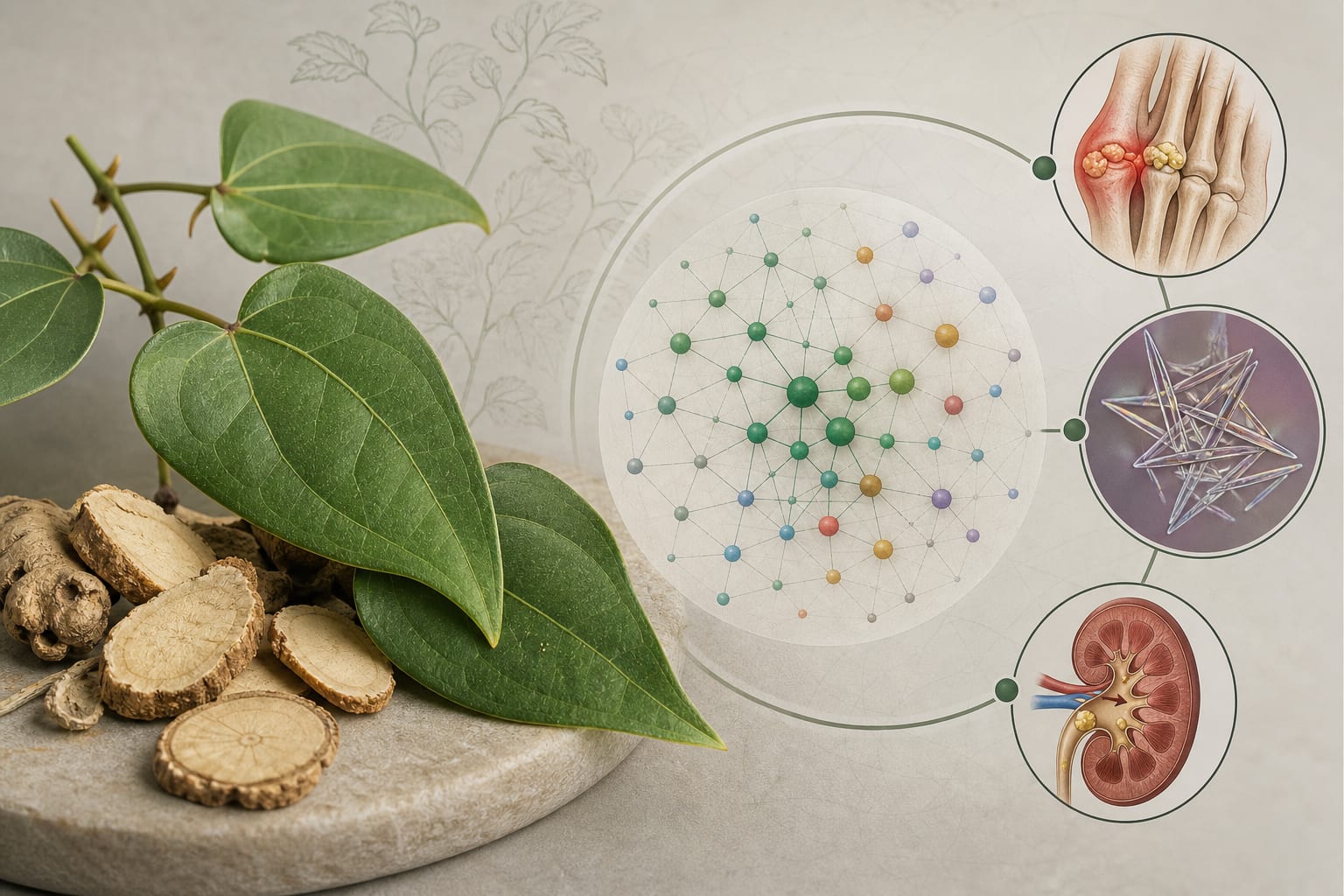
Clinical Report: Neutrophil Extracellular Traps in Gout: Transitioning from Immune Response to Pathological Balance
Overview
Expand on the implications of NETs for diagnosis and treatment, specifying potential therapeutic targets.
Background
Gout is a common inflammatory disorder characterized by the deposition of monosodium urate (MSU) crystals, leading to acute arthritis and chronic complications. The activation of the innate immune system, particularly through NETs, plays a crucial role in the disease's onset and progression. Understanding the mechanisms of NETs can provide insights into the management of gout and its associated complications.
Data Highlights
No numerical data presented in the article.
Key Findings
NETs are formed by neutrophils in response to MSU crystals, linking metabolic disturbances to inflammatory responses in gout.
NETs exhibit a dual function: they help resolve acute inflammation but can also exacerbate tissue injury during chronic stages of gout.
Histones and neutrophil elastase (NE) within NETs contribute to joint inflammatory injury and tophus formation.
NETs may initiate an autoimmune-like reaction, complicating the pathophysiology of gout.
Understanding NETs could lead to innovative therapeutic approaches for managing gout.
Clinical Implications
Clinicians should consider the role of NETs in both the acute and chronic phases of gout when developing treatment strategies. Targeting NET formation and function may offer new avenues for therapeutic intervention in patients with gout, particularly those with chronic symptoms and structural joint damage.
Conclusion
The exploration of NETs in gout reveals their complex role in disease pathology, highlighting the need for further research to harness their potential in clinical practice. Understanding these mechanisms could improve management strategies for patients suffering from gout.