Clinical Report: Pediatric Gastrointestinal Infections and Their Complexities
Overview
This editorial discusses the multifaceted nature of pediatric gastrointestinal infections, emphasizing the interconnectedness of biological, social, and systemic factors.
Background
Pediatric gastrointestinal infections are a significant public health concern, closely linked to malnutrition, unsafe water, and antimicrobial resistance. Understanding the complexities of these infections is crucial.
Data Highlights
No numerical data presented in the source material.
Key Findings
Pediatric gastrointestinal infections are influenced by malnutrition, unsafe water, and delayed access to care.
Community awareness of diarrhea management is high, but practical implementation of care measures remains low.
Antimicrobial resistance is a growing concern, with significant colonization rates observed in hospitalized children.
Integrated strategies combining infectious disease control and nutrition-sensitive programs are recommended for better outcomes.
Advanced diagnostic methods may improve detection of recurrent infections in pediatric populations.
Clinical Implications
Healthcare providers should focus on enhancing caregiver education regarding diarrhea management and the importance of zinc supplementation. Additionally, addressing antimicrobial resistance in pediatric settings is critical for improving treatment outcomes.
Conclusion
The editorial underscores the need for a comprehensive approach to managing pediatric gastrointestinal infections, integrating community-level prevention and hospital-based care strategies.
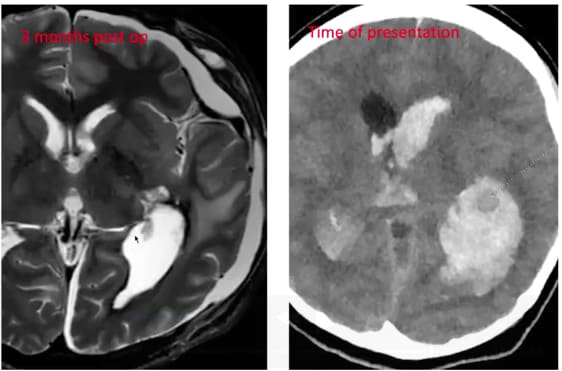
This Neuroscience Grand Rounds session, led by Muhammad Osama, MD, provides a pediatric neurosurgeon’s perspective on arteriovenous malformations (AVMs) in children, rare but high-risk vascular lesions that can lead to seizures, neurological deficits, or life-threatening hemorrhage.