Understanding the Liver-Brain Connection: Functions and Preventive Therapeutic Approaches in Disease Management
-
By
-
Yaoyao Chen
-
Shangcheng Xu
-
Tao Sun
-
June 26, 2026
Clinical Report: Understanding the Liver-Brain Connection
Overview
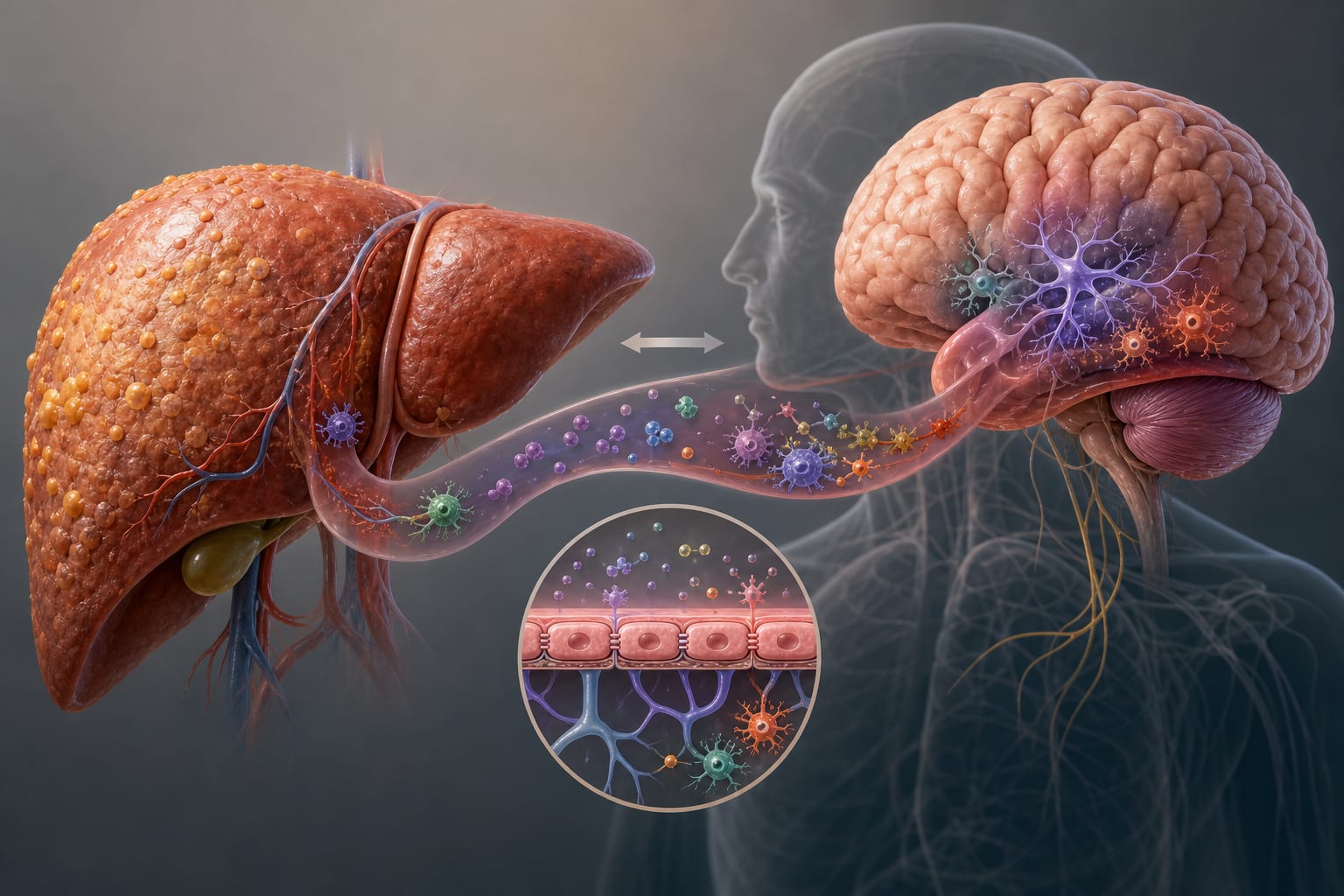
The liver-brain axis (LBA) is a bidirectional communication network that plays a crucial role in metabolic and neuroimmune responses. Dysfunction of this axis is implicated in obesity, diabetes, and associated psychiatric disorders.
Background
The liver and brain have historically been studied as separate entities, but recent evidence reveals their interconnectedness through the LBA. This relationship is significant as both obesity and diabetes are linked to increased risks of neurocognitive impairment and mood disorders.
Data Highlights
No numerical data was provided in the source material.
Key Findings
- The LBA integrates neural, humoral, and immune pathways, facilitating communication between the liver and CNS.
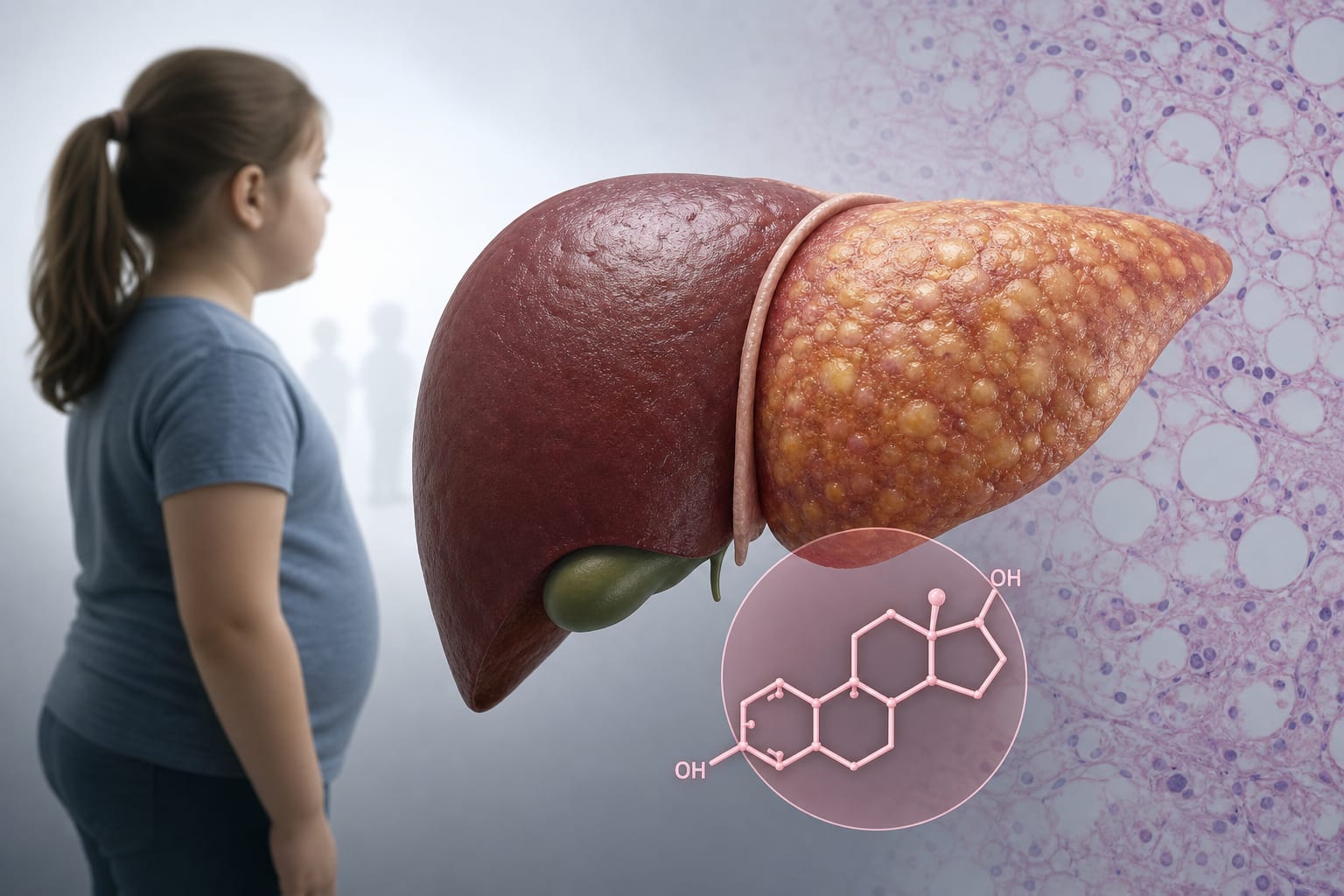
- Dysfunction of the LBA is a core driver of obesity, diabetes, and related multisystemic sequelae.
- Hepatic encephalopathy exemplifies the consequences of LBA dysfunction, leading to neurocognitive and psychiatric impairments.
- Recent therapeutic advances targeting the LBA have been reported in the management of metabolic dysfunction-associated liver diseases and psychiatric conditions.
- Species-specific differences exist in LBA signaling mediators and blood-brain barrier architecture between humans and mice.
Clinical Implications
LBA dysfunction in patients with obesity and diabetes may contribute to neuropsychiatric outcomes.
Conclusion
The LBA represents a critical area of research that may inform future therapeutic strategies for managing metabolic and neuropsychiatric disorders.
Related Resources & Content
- BMC Psychiatry, 2025 -- Hepatic function is associated with cognitive function in patients with stable schizophrenia
- Journal of Gastroenterology, 2026 -- Covert hepatic encephalopathy as a multi-organ syndrome: the gut–liver–muscle–brain axis, diagnosis, treatment, and multidisciplinary care
- EASL Clinical Practice Guidelines on the management of hepatic encephalopathy - ScienceDirect, 2022
- AASLD Announces Update to Metabolic Dysfunction‐Associated Steatotic Liver Disease (MASLD) Practice Guidance | AASLD, 2025
- Frontiers in Immunology — Calibrating microglia states in Alzheimer’s disease: decoding immune-metabolic networks and nano-targeted multicomponent therapies
- Brain — The Influence of Vascular Wellness on Cognitive Function and Brain Health
- ACG Clinical Guideline on Hepatic Encephalopathy
- Efficacy and safety of rifaximin in preventing hepatic encephalopathy: A systematic review and meta-analysis
- EASL Clinical Practice Guidelines on the management of hepatic encephalopathy - ScienceDirect
- AASLD Announces Update to Metabolic Dysfunction‐Associated Steatotic Liver Disease (MASLD) Practice Guidance | AASLD
- Microbiota transplant for hepatic encephalopathy in cirrhosis: The THEMATIC trial - Journal of Hepatology
- Probiotics Prevent Hepatic Encephalopathy After Transjugular Intrahepatic Portosystemic Shunt: A Randomised Controlled Trial - PubMed
- Frontiers | Efficacy and safety of L-ornithine L-aspartate combined with lactulose in treatment of hepatic encephalopathy: a systematic review and meta-analysis of randomized controlled trial
- Blood-brain barrier dysfunction in hepatic encephalopathy: pathophysiology, diagnostic assessment and therapeutic perspectives - PubMed
- Ammonia and beyond – biomarkers of hepatic encephalopathy | Metabolic Brain Disease | Springer Nature Link
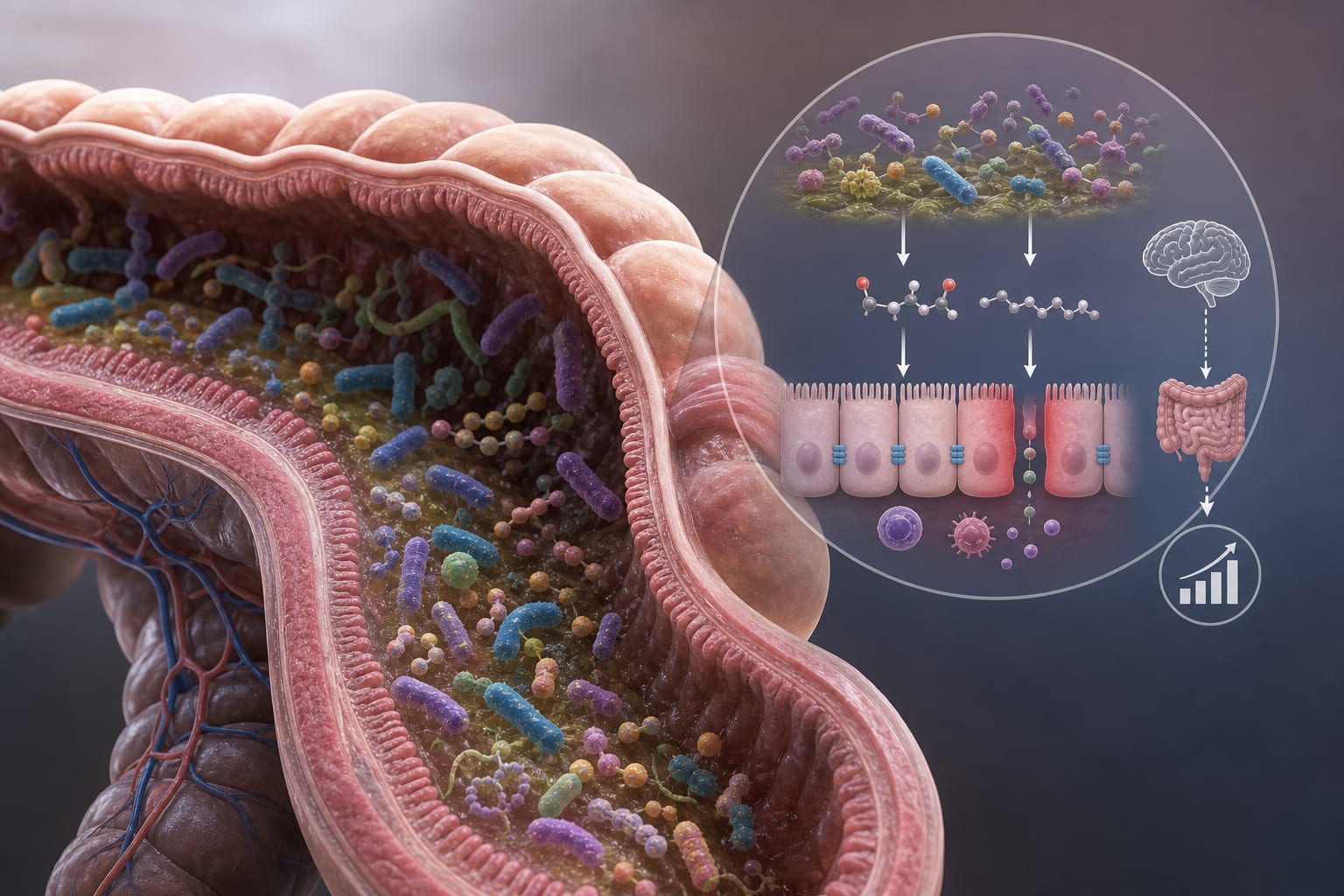
- Gut microbiota dysbiosis and the gut–liver–brain axis: Mechanistic insights into hepatic encephalopathy - ScienceDirect
Based on findings from:
The liver-brain axis, from its function to preventive therapeutic strategies in diseases
Yaoyao Chen, Shangcheng Xu, Tao Sun. Frontiers In Endocrinology, 2026.
https://www.frontiersin.org/journals/endocrinology/articles/10.3389/fendo.2026.1858091/full
This content is an AI-generated, fully rewritten summary based on a published scholarly article. It does not reproduce the original text and is not a substitute for the original publication. Readers are encouraged to consult the source for full context, data, and methodology.