The persistence and mortality of Lassa fever in Nigeria reflect systemic clinical and diagnostic challenges rather than viral reemergence alone - Report - MDSpire
Advertisement
The persistence and mortality of Lassa fever in Nigeria reflect systemic clinical and diagnostic challenges rather than viral reemergence alone
Challenges in Diagnosis and Care Contribute to Persistent Mortality from Lassa Fever in Nigeria
Overview
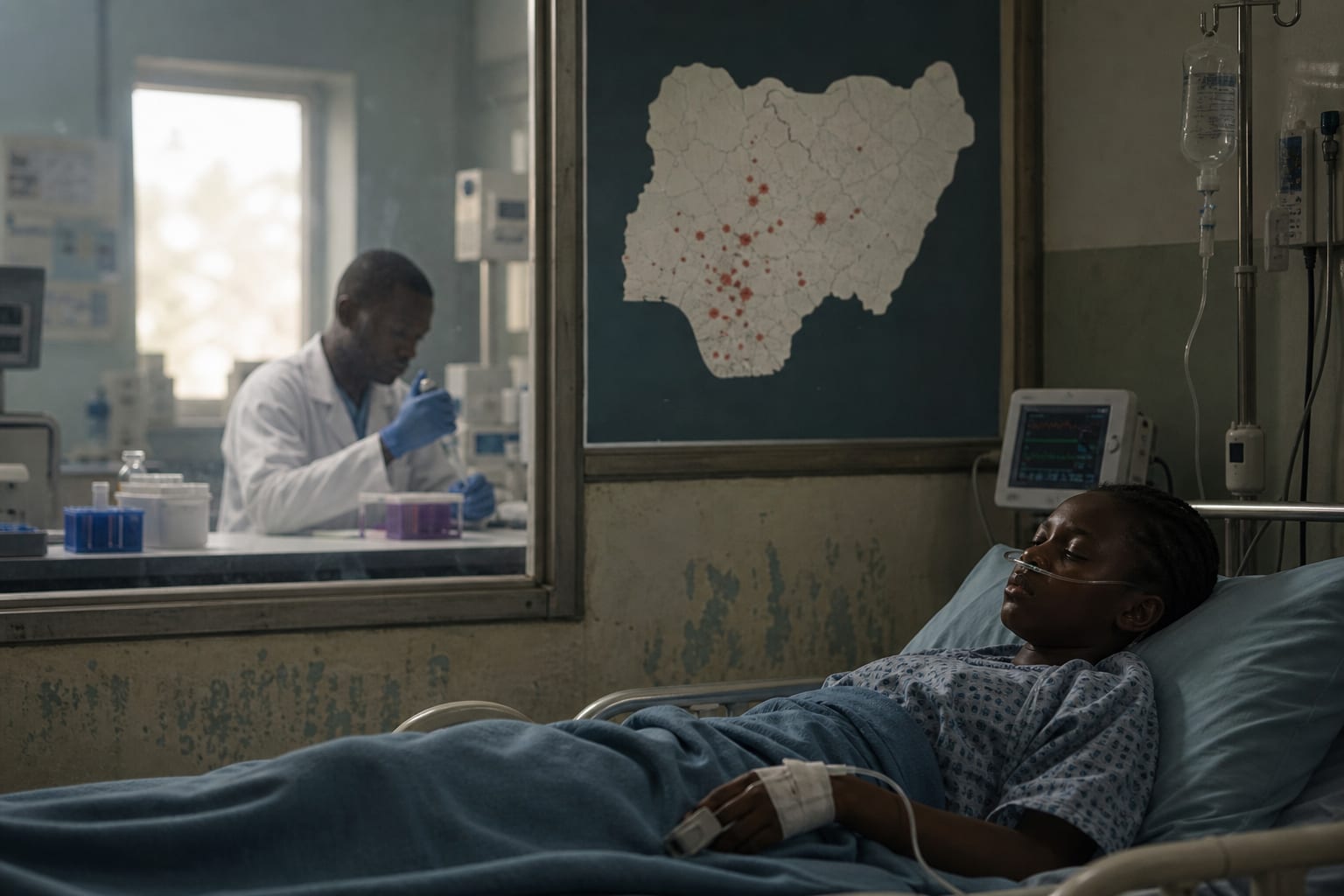
Despite familiarity with Lassa fever, mortality rates in Nigeria remain high due to delayed diagnosis and limited access to care. The challenges in distinguishing Lassa fever from other febrile illnesses contribute significantly to late presentations and poor outcomes.
Background
Lassa fever is endemic in Nigeria and poses a considerable public health challenge, particularly during seasonal peaks. The disease's clinical presentation often overlaps with other common infections, complicating early diagnosis. Understanding the factors contributing to high mortality is essential for improving patient outcomes and healthcare responses.
Data Highlights
No numerical data or trial data provided in the source material.
Key Findings
Mortality from Lassa fever is driven more by delayed recognition and limited diagnostic access than by viral evolution.
Patients often present late, having been treated for other conditions like malaria or typhoid fever.
Severe complications arise from delayed diagnosis and late initiation of supportive care.
Diagnostic capacity is limited, relying on RT-PCR conducted at specialized laboratories.
Health system limitations, such as inadequate isolation units and protective equipment, exacerbate mortality risks.
Clinical Implications
Healthcare providers should prioritize early recognition of Lassa fever and improve access to diagnostic testing to enhance patient outcomes. Strengthening health system infrastructure is crucial to address the barriers that lead to delayed presentations.
Conclusion
Addressing the challenges in diagnosis and care is vital to reducing mortality from Lassa fever in Nigeria. A focus on early detection and timely intervention can significantly improve survival rates.