Phase I/II, open-label, multicenter study of durvalumab in combination with tremelimumab in pediatric patients with advanced solid tumors - Report - MDSpire
Advertisement
Phase I/II, open-label, multicenter study of durvalumab in combination with tremelimumab in pediatric patients with advanced solid tumors
Clinical Report: Efficacy of Durvalumab Combined with Tremelimumab in Children
Overview
This phase I/II trial evaluated the combination of durvalumab and tremelimumab in pediatric patients with advanced solid tumors. While the safety profile was manageable, the antitumor activity was limited, with only one confirmed partial response observed.
Background
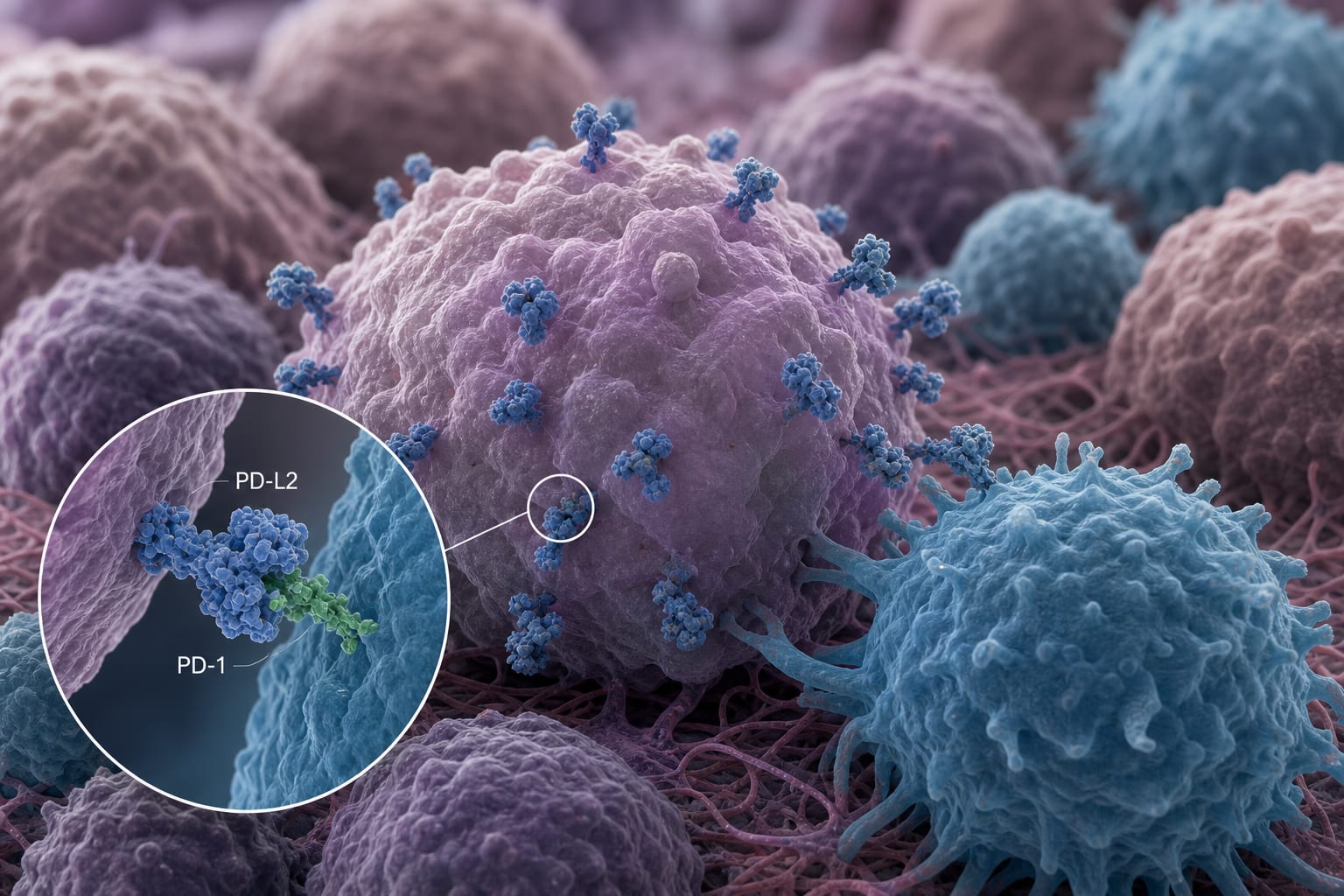
Children with relapsed/refractory solid tumors have poor survival outcomes despite current treatment regimens. Immunotherapies, such as immune checkpoint inhibitors, offer a potential alternative by enhancing antitumor immunity while minimizing long-term adverse effects associated with traditional therapies. Understanding the efficacy and safety of these treatments in pediatric populations is crucial for improving outcomes.
Data Highlights
Phase
Patients (n)
Objective Response
Stable Disease
Treatment-Related Adverse Events
Phase I
29
N/A
N/A
76%
Phase II
21
1 (chordoma)
2 (1 renal cell carcinoma)
76% (19% grade 3 or 4)
Key Findings
The recommended phase II dose was determined as durvalumab 30 mg/kg and tremelimumab 1 mg/kg.
In the phase II cohort, one patient with chordoma had a confirmed partial response lasting 10.8 months.
No objective responses were observed in the sarcoma subgroup.
76% of patients experienced treatment-related adverse events, with 19% classified as grade 3 or 4.
Increased CD4+Ki67+ T cells were noted, indicating immune activation.
Clinical Implications
The findings suggest that while the combination of durvalumab and tremelimumab is safe for pediatric patients, its limited efficacy highlights the need for further research. Clinicians should consider these factors when discussing treatment options with patients and families.
Conclusion
The combination of durvalumab and tremelimumab shows a manageable safety profile but limited antitumor activity in pediatric patients with advanced solid tumors, necessitating ongoing exploration of effective immunotherapy strategies.