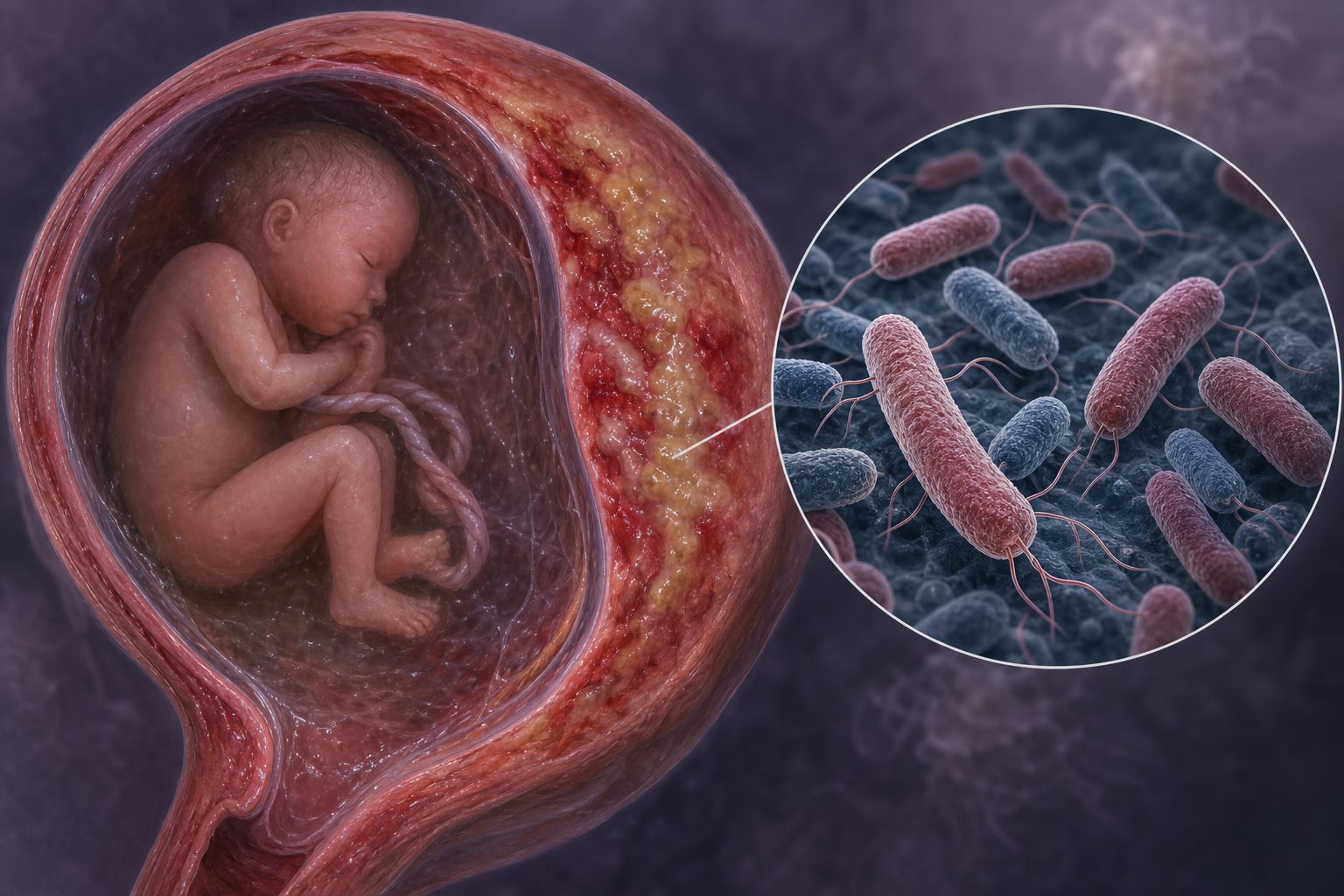
Clinical Report: Infection with Hafnia alvei Associated with Chorioamnionitis
Overview
This report details a case of chorioamnionitis and septicemia caused by Hafnia alvei and Escherichia coli in a 27-year-old pregnant woman. The rapid progression of the patient's condition highlights the need for early recognition and appropriate empirical antibiotic therapy.
Background
Hafnia alvei is an opportunistic pathogen that infrequently causes extraintestinal infections, particularly in obstetric settings. Chorioamnionitis, a significant cause of morbidity and mortality in pregnant women, can lead to severe complications such as maternal septic shock. Understanding the role of rare pathogens like H. alvei in such infections is crucial for improving clinical outcomes.
Data Highlights
No numerical data or trial data were presented in the article.
Key Findings
A 27-year-old primipara developed chorioamnionitis and septicemia due to H. alvei and E. coli.
The patient exhibited symptoms of low-grade fever, abdominal pain, and tachycardia.
Emergency cesarean section was performed due to high suspicion of intrauterine infection.
Postoperative blood cultures confirmed a mixed infection of H. alvei and E. coli.
The case underscores the importance of early clinical recognition and broad-spectrum antibiotic therapy.
There are currently no standardized treatment protocols for H. alvei infections during pregnancy.
Clinical Implications
Healthcare providers should maintain a high index of suspicion for rare pathogens like H. alvei in cases of chorioamnionitis, especially when accompanied by severe clinical manifestations. Prompt initiation of broad-spectrum antibiotics is essential to manage potential septic complications effectively.
Conclusion
This case emphasizes the need for awareness of H. alvei as a potential pathogen in obstetric infections and the importance of timely microbiological diagnosis and treatment.