Clinical Report: Designing Clinical Studies and Modeling Techniques for Drug Secretion
Overview
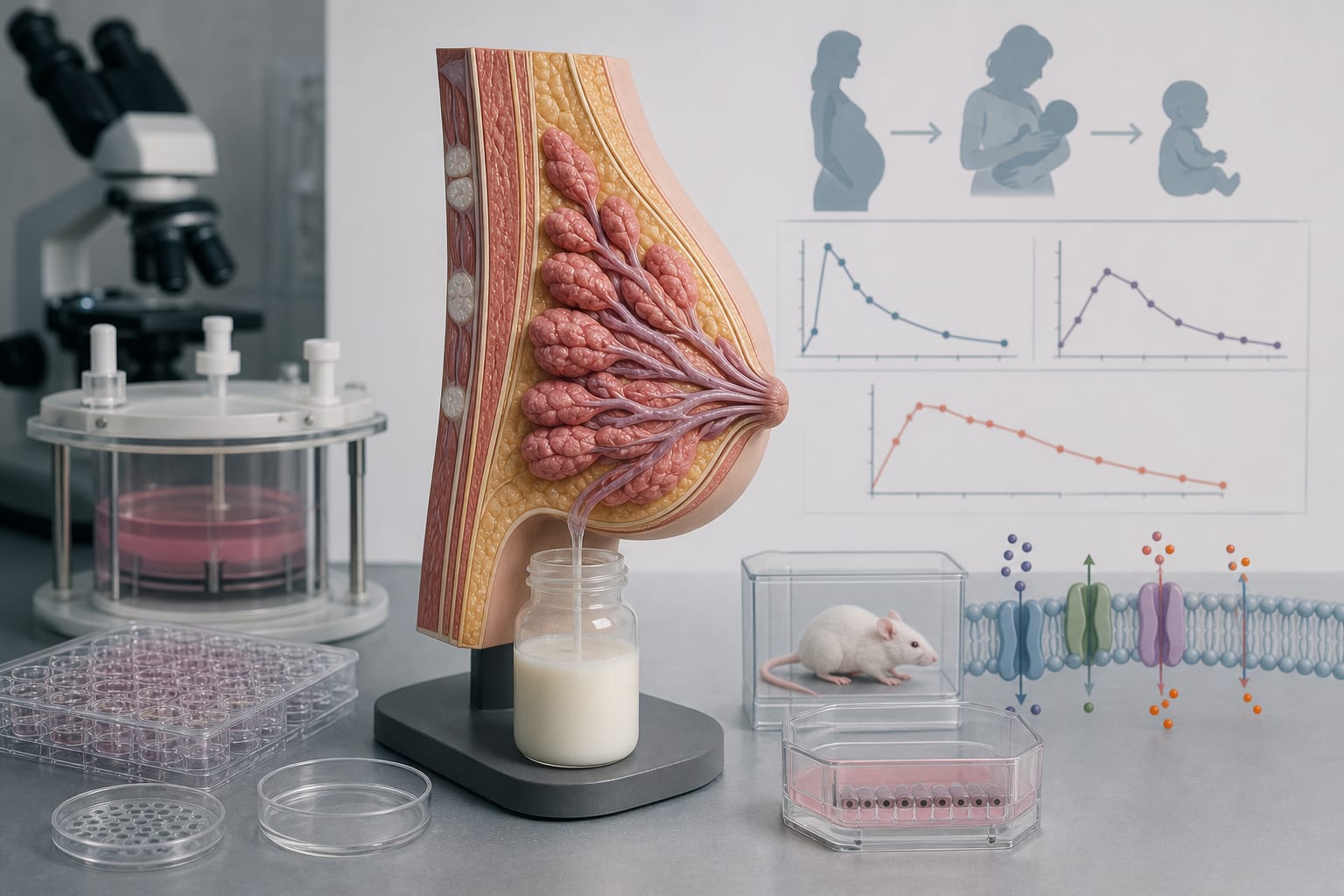
This report discusses the challenges and methodologies for studying drug secretion into human milk, emphasizing the need for clinical studies in lactating women. It highlights the limited data available on drug safety during lactation and the potential role of non-clinical models in understanding drug transfer.
Background
Breastfeeding provides significant health benefits to both mothers and infants, yet many lactating women require medications that may transfer to breast milk. Understanding the pharmacokinetics of drug secretion into human milk is crucial for ensuring infant safety. However, there is a notable lack of clinical data, necessitating innovative study designs and modeling techniques to fill these gaps.
Data Highlights
No numerical data available in the source material.
Key Findings
66%-72% of nursing mothers are on some form of medication.
Only 2% of new medications have advisory statements supporting their use during lactation.
46% of new medications are classified as 'against use' during breastfeeding.
Clinical studies in lactating women face significant logistical and ethical challenges.
Non-clinical models can provide insights into drug transfer when clinical data is lacking.
Clinical Implications
Healthcare providers should be aware of the limited data on medication safety during lactation and the importance of individualized risk assessment. Non-clinical models may serve as valuable tools to inform clinical decisions regarding medication use in breastfeeding women.
Conclusion
Addressing the knowledge gaps in drug safety during lactation is essential for protecting infant health. Future research should prioritize the inclusion of lactating women in clinical studies to enhance the evidence base.