Clinical Report: Advancements in Rosacea Treatment: Focusing on the Neuro-Vascular-Immune Interplay
Background
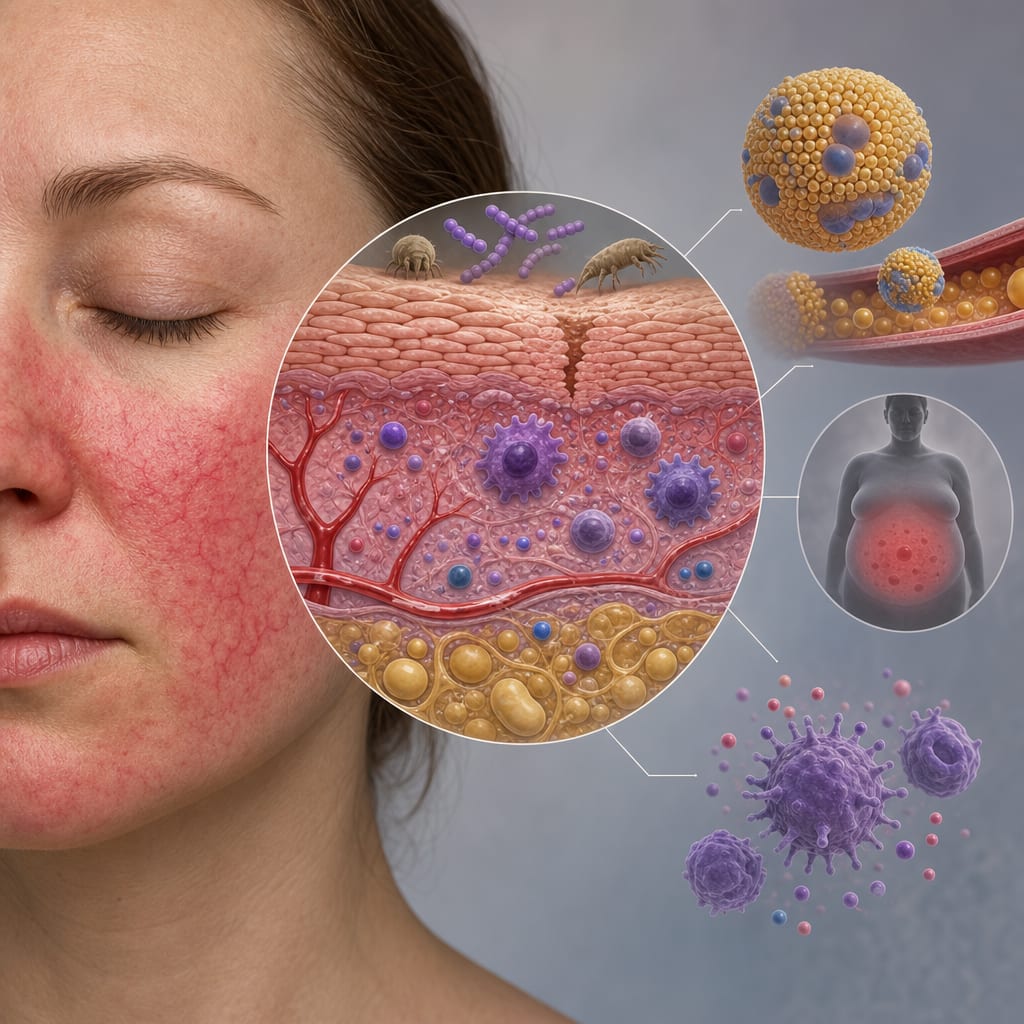
Rosacea is a chronic inflammatory skin condition. Understanding the underlying mechanisms of rosacea, particularly the neuro-vascular-immune interactions, is crucial for developing effective treatment strategies. Recent advancements in therapy offer new avenues for managing this condition.
Data Highlights
No numerical or trial data provided in the source material.
Key Findings
Rosacea affects approximately 5.1% of the global population, with higher prevalence in East Asia.
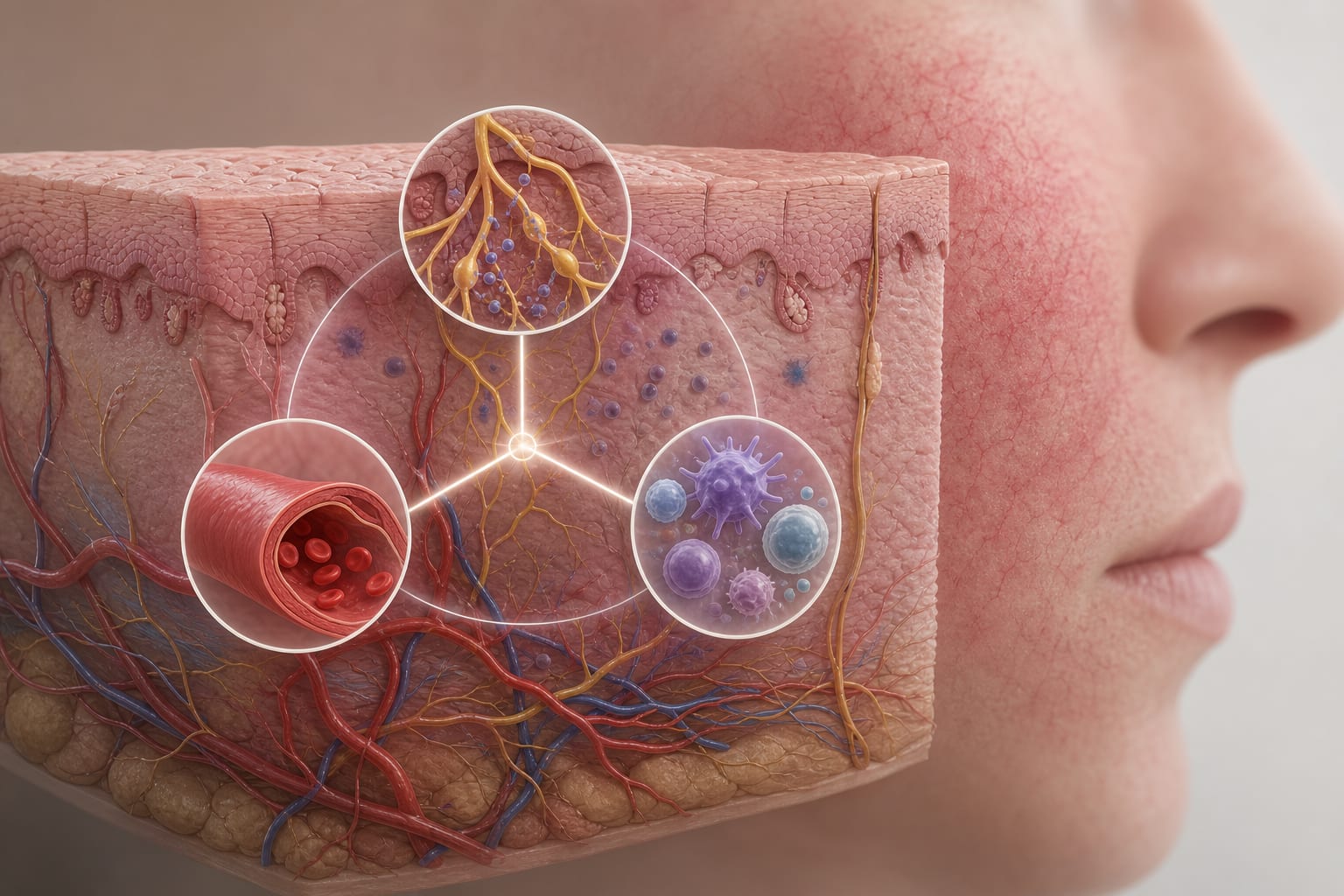
Abnormal activation of the neuro-vascular-immune triad is a crucial pathological mechanism in rosacea.
Therapies targeting this triad include γ-aminobutyric acid derivatives, antidepressants, and anti-calcitonin gene-related peptide agents.
Current treatments lack large-scale randomized controlled trials to support their efficacy and optimal dosing regimens.
Clinical Implications
Clinicians should consider the neuro-vascular-immune interplay when treating rosacea. Ongoing research is necessary to establish evidence-based guidelines for the use of these treatments.
Conclusion
Advancements in understanding the neuro-vascular-immune mechanisms of rosacea provide new therapeutic opportunities.