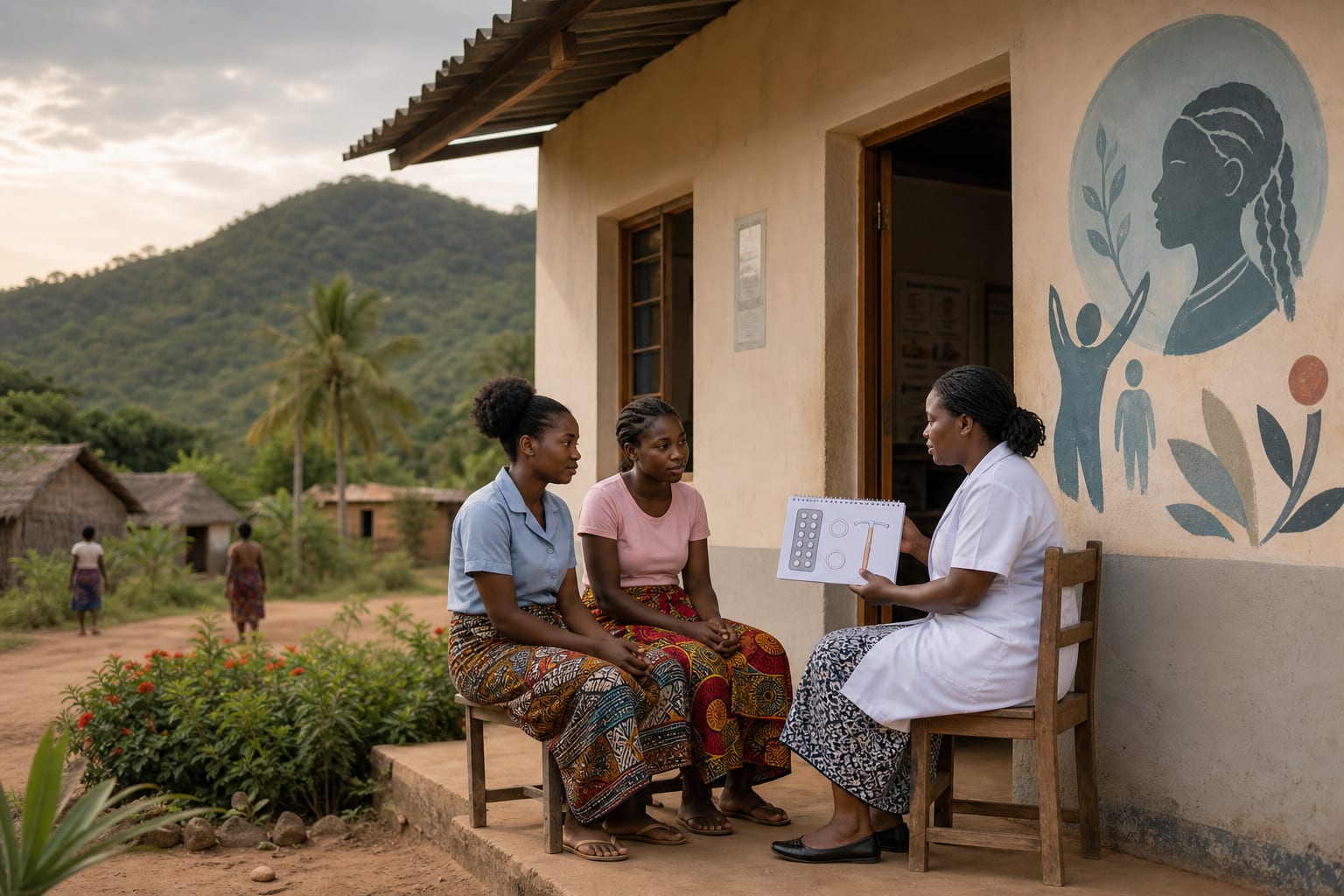
Clinical Report: IUD Insertion at a Student-Operated Free Clinic
Overview
This community case study outlines a sustainable model for integrating IUD services into a student-run free clinic, addressing the barriers faced by uninsured populations. The clinic successfully implemented a long-acting reversible contraception (LARC) program, demonstrating a replicable framework for expanding reproductive health services.
Background
Uninsured populations experience higher rates of unplanned pregnancies due to limited access to effective contraception. Long-acting reversible contraception (LARC), such as intrauterine devices (IUDs), offers high efficacy but is often inaccessible in resource-constrained settings. This study highlights the importance of innovative models for providing reproductive health services to vulnerable communities.
Data Highlights
The clinic has established a rolling waitlist and projects a capacity of one to two IUD insertions per clinic session, demonstrating operational success since implementation.
Key Findings
The clinic partnered with Direct Relief to secure donated IUDs, overcoming financial barriers.
Standardized clinical protocols and inventory management systems were developed for effective service delivery.
Twenty-one student team members received interprofessional training under faculty supervision.
The program is operational as of April 2025, with a sustainable model for IUD services.
This initiative provides a replicable framework for other independent student-run free clinics to enhance contraceptive access.
Clinical Implications
The successful implementation of IUD services in this student-run free clinic demonstrates the potential for independent clinics to expand reproductive health offerings. Healthcare professionals can consider similar community partnerships to improve access to contraception for uninsured populations.
Conclusion
This case study illustrates a viable model for integrating IUD services into independent clinics, addressing significant barriers to contraceptive access. The findings can guide other clinics in enhancing reproductive health services for vulnerable communities.
The partner in the next room, the hormone in the blister pack, the cat on the couch, the minute-long chair stand. Several new studies suggest the factor shaping outcomes may be the one clinicians aren’t routinely measuring.