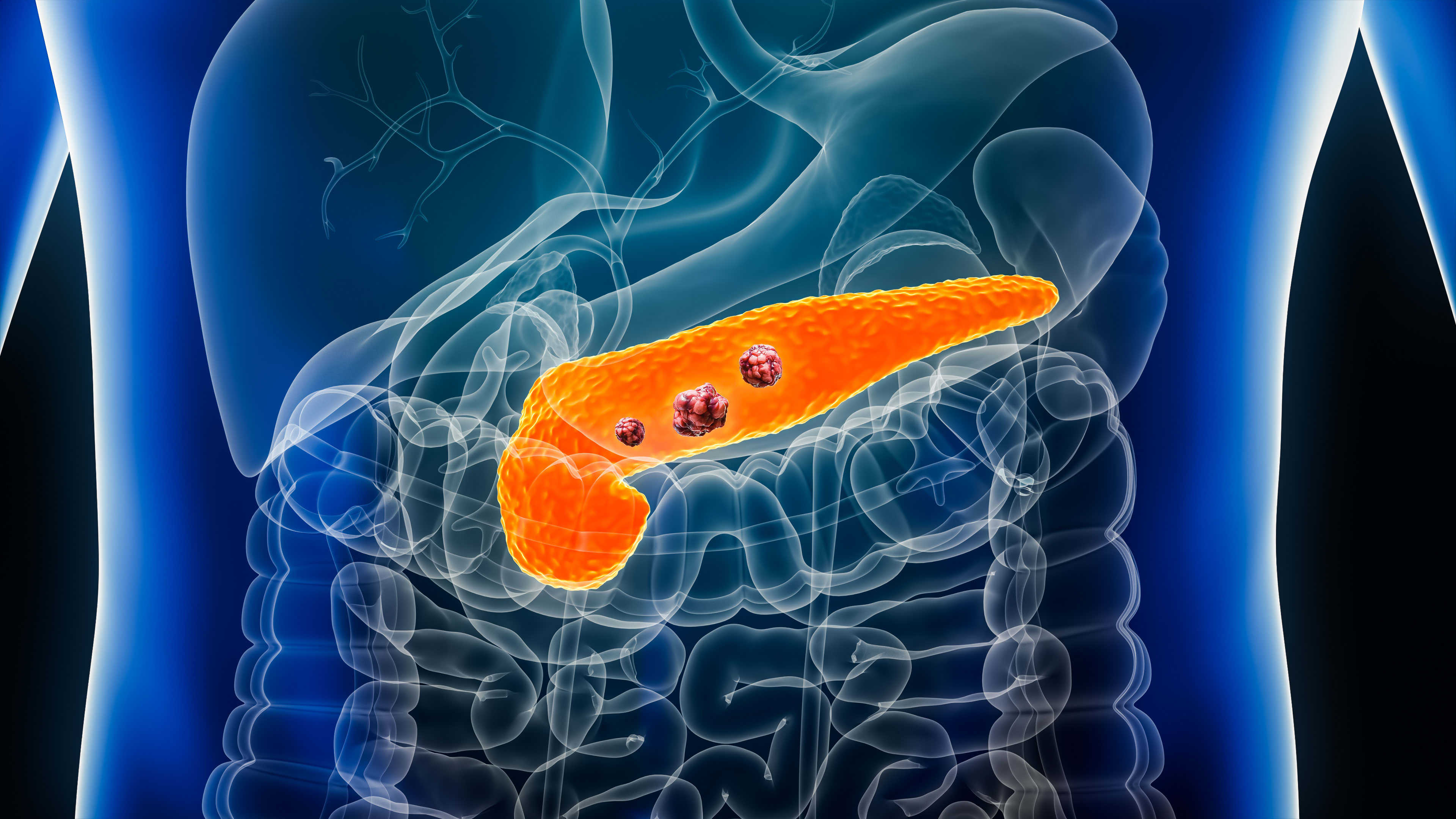
FDA Approves Device for Pancreas Care - Report - MDSpire
Advertisement
FDA Approves Device for Pancreas Care
In the phase 3 PANOVA-3 trial, adding Tumor Treating Fields therapy to gemcitabine and nab-paclitaxel was associated with improved overall survival and delayed pain progression in adults with locally advanced pancreatic cancer.
Clinical Report: FDA Approves Device for Pancreas Care
Overview
The FDA has approved Optune Pax, a noninvasive device for adult patients with locally advanced pancreatic cancer, to be used alongside gemcitabine and nab-paclitaxel. This approval is based on the PANOVA-3 trial, which demonstrated improved overall survival and prolonged time to pain progression without increasing systemic toxicity.
Background
Pancreatic cancer is a significant health concern, accounting for approximately 67,000 new cases and over 50,000 deaths annually in the US. The approval of Optune Pax marks the first new treatment for locally advanced pancreatic cancer in nearly 30 years, highlighting the need for innovative therapies in this challenging disease. The device's noninvasive nature aligns with the FDA’s initiative to enhance outpatient and home-based cancer care.
Data Highlights
Population
Median Overall Survival
One-Year Survival Rate
Median Time to Pain Progression
Intent-to-Treat
16 months (Optune Pax) vs 14 months (chemotherapy alone)
68% (Optune Pax) vs 60% (control)
15 months (Optune Pax) vs 9 months (control)
Modified Per Protocol
18 months (Optune Pax) vs 15 months (chemotherapy alone)
75% (Optune Pax) vs 66% (control)
N/A
Key Findings
Optune Pax improved median overall survival to 16 months compared to 14 months for chemotherapy alone.
In the modified per protocol population, median overall survival was 18 months with Optune Pax versus 15 months with chemotherapy alone.
One-year survival rates were 68% in the Optune Pax group compared to 60% in the control group.
Optune Pax significantly prolonged time to pain progression by 6 months.
Quality-of-life assessments showed longer deterioration-free survival in various health domains for patients receiving Optune Pax.
Device-related skin adverse events were common but predominantly mild (grade 1 or 2).
Clinical Implications
The approval of Optune Pax offers a new therapeutic option for patients with locally advanced pancreatic cancer, potentially improving survival and quality of life. Clinicians should consider integrating this device into treatment plans for eligible patients, particularly those seeking noninvasive options.
Conclusion
The introduction of Optune Pax represents a significant advancement in the management of locally advanced pancreatic cancer, providing a novel, non-invasive treatment that enhances patient care.
The phase 3 LITESPARK-022 trial compared adjuvant pembrolizumab plus belzutifan with pembrolizumab plus placebo following resection of clear-cell renal-cell carcinoma.
Structured implementation increased participation and improved preoperative fitness, while postoperative complication and mortality rates remained similar across groups.
Interviews with hospital leaders and employed physicians highlighted financial pressures, perceived care-integration benefits, and unresolved operational tensions following acquisition.