Clinical Report: Neuroinflammatory Processes in Alzheimer’s Disease
Overview
This report discusses the role of neuroinflammation in Alzheimer's disease (AD), emphasizing its complex interactions with glial cells and pathological changes. It highlights the need for stage-specific therapeutic strategies that modulate maladaptive glial states while preserving their protective functions.
Background
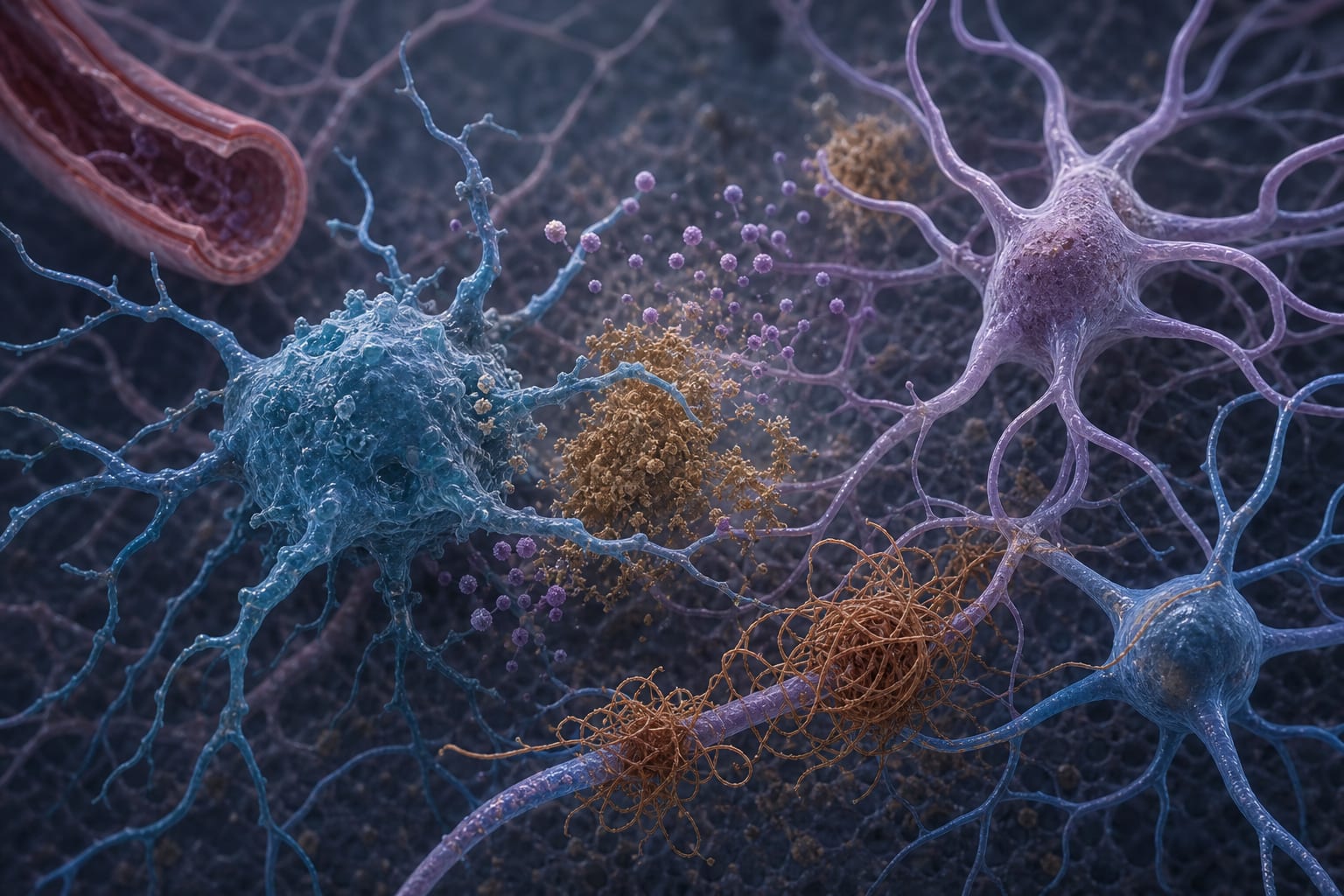
Alzheimer’s disease is a leading cause of dementia, presenting significant therapeutic challenges despite recent advancements in amyloid-targeting therapies. Understanding the multifactorial nature of AD, including the role of neuroinflammation, is crucial for developing effective treatments. Neuroinflammation is increasingly recognized as a modifying process that interacts with key pathological features of AD, such as β-amyloid and tau.
Data Highlights
No numerical data or trial results were provided in the source material.
Key Findings
Neuroinflammation in AD is context-dependent, with glial responses potentially being protective or maladaptive.
Microglia and astrocytes play critical roles in Aβ handling and tissue homeostasis.
Chronic glial activation can exacerbate neuronal vulnerability and metabolic stress.
Current therapies include amyloid-targeting monoclonal antibodies, which have shown modest benefits.
Future therapeutic strategies should focus on stage-specific modulation of glial states.
Clinical Implications
Clinicians should consider the dual role of neuroinflammation in AD, recognizing when glial responses may be beneficial versus harmful. This understanding may guide the development of more effective, stage-specific therapeutic interventions.
Conclusion
The complexity of neuroinflammatory processes in Alzheimer's disease necessitates a nuanced approach to treatment that balances the modulation of glial activity with the preservation of their protective functions.