Clinical Report: Exosomes in Diabetic Kidney Disease: Role and Therapeutic Potential
Background
Diabetic kidney disease is a significant complication of diabetes, leading to end-stage renal disease. The complexity of its pathogenesis necessitates innovative diagnostic and therapeutic strategies. Exosomes, as carriers of intercellular communication, are increasingly recognized for their roles in disease progression and potential therapeutic applications.
Data Highlights
No numerical data presented in the source material.
Key Findings
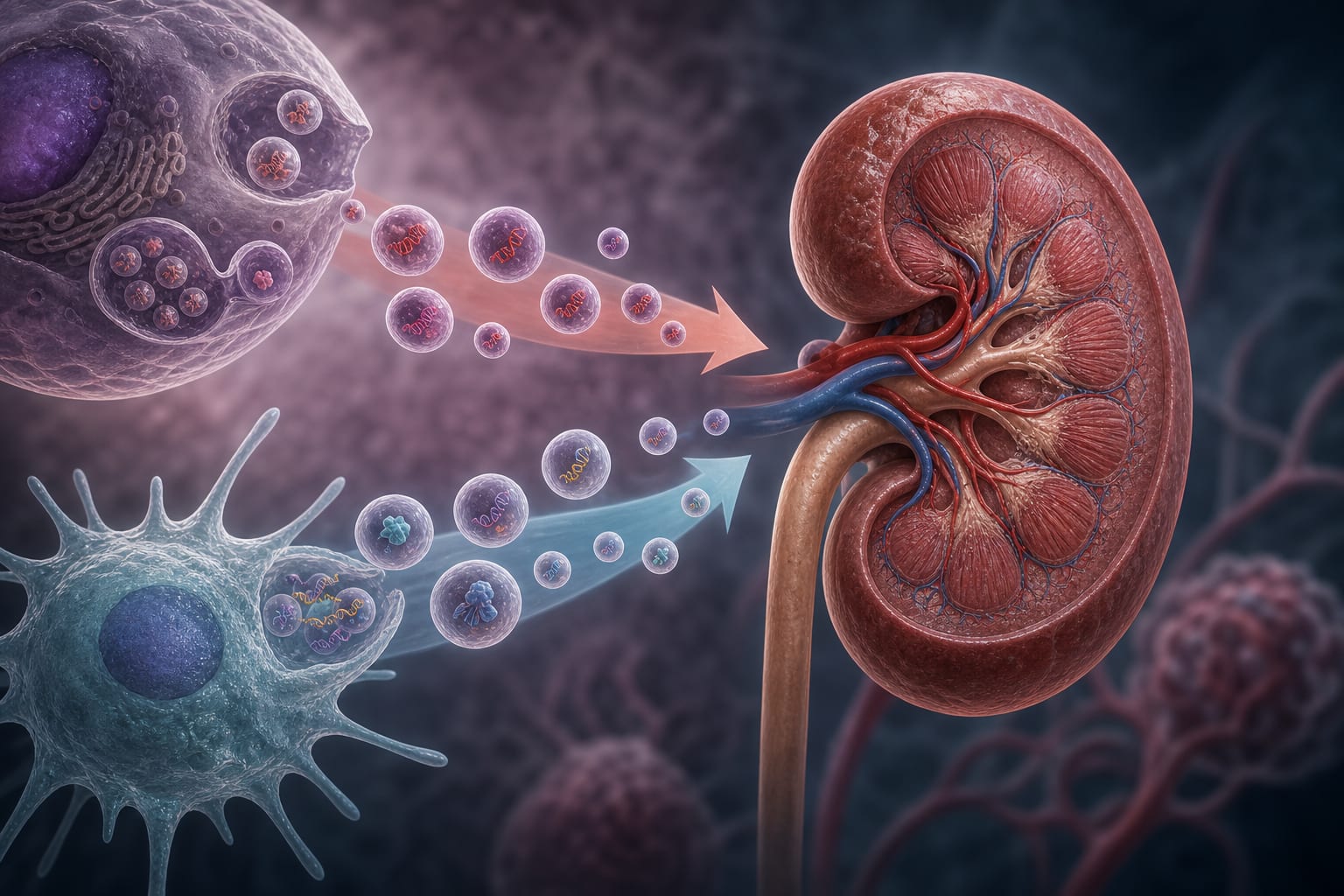
Exosomes can transmit harmful signals that exacerbate kidney damage in DKD.
Pathogenic exosomes are produced under hyperglycemic conditions, promoting inflammation and fibrosis.
Therapeutic exosomes derived from stem cells may aid in kidney repair and protection.
Current research highlights the duality of exosomes in DKD, necessitating further exploration of their roles.
Challenges include the lack of standardized techniques for exosome isolation and the need for larger studies to validate findings.
Clinical Implications
Understanding the roles of exosomes in DKD could lead to novel diagnostic biomarkers and targeted therapies.
Conclusion
Exosomes represent a promising area of research in diabetic kidney disease, with implications for both understanding disease mechanisms and developing new therapeutic strategies.