Clinical Report: Current and Novel Approaches to Preserve Fertility in Female Leukemia Patients
Overview
Revise to specify the challenges and strategies for fertility preservation in detail.
Background
Leukemia is the most common malignancy in childhood and poses significant risks to reproductive health due to the gonadotoxic effects of standard treatments. As survival rates improve, the long-term quality of life, particularly regarding fertility, has become a critical concern for female survivors. Understanding the implications of leukemia and its treatments on ovarian function is essential for developing effective fertility preservation strategies.
Data Highlights
No numerical data available in the source material.
Key Findings
Leukemia treatments, including chemotherapy and stem cell transplantation, are highly gonadotoxic.
Female leukemia survivors are at increased risk for primary ovarian insufficiency and infertility.
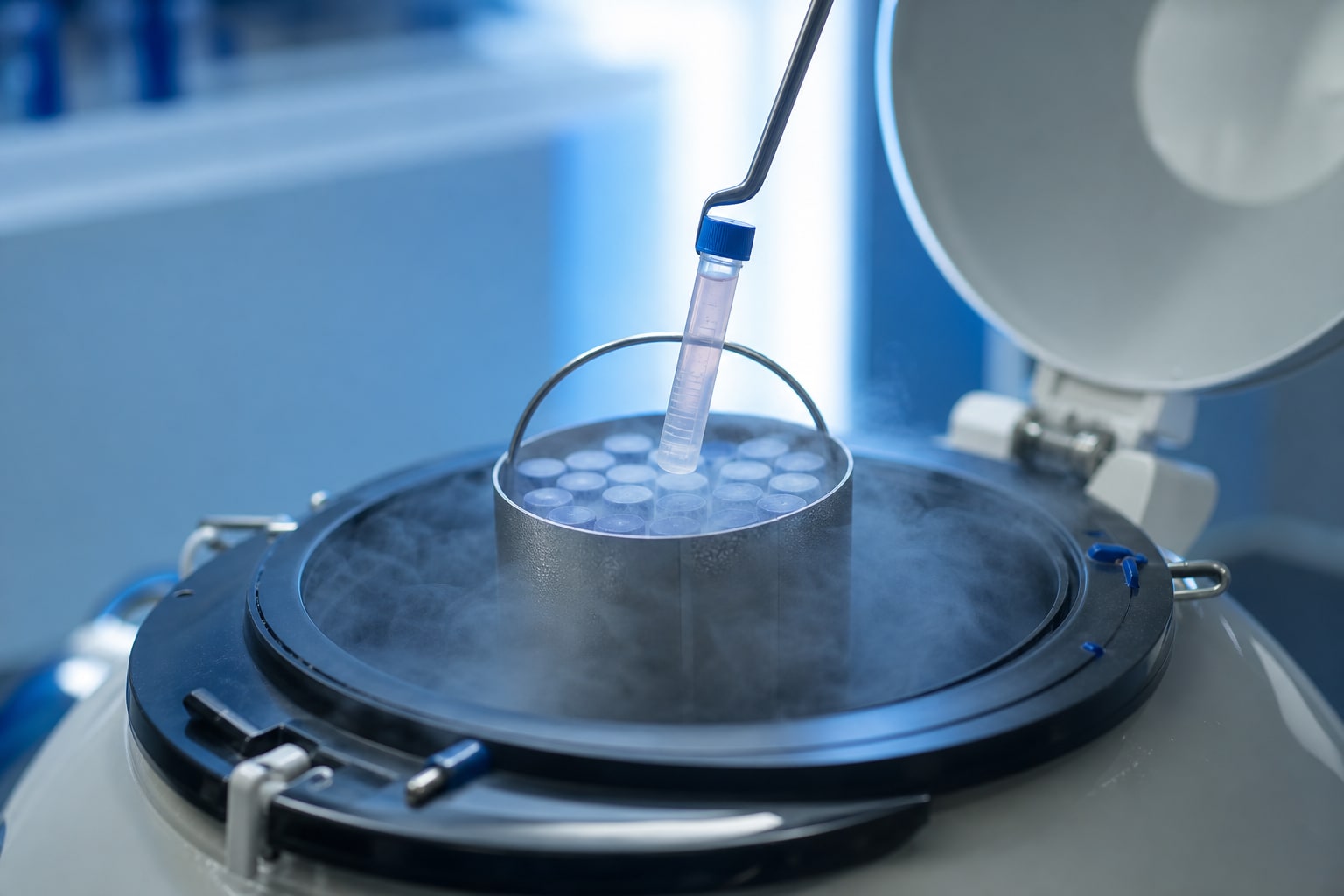
Ovarian tissue cryopreservation is the primary fertility preservation option for prepubertal girls.
Leukemic cell infiltration into ovarian tissue raises concerns about the safety of ovarian tissue transplantation.
Emerging strategies are needed to improve the safety and efficacy of fertility preservation methods.
Clinical Implications
Healthcare providers should prioritize fertility preservation discussions with female leukemia patients at diagnosis. Ovarian tissue cryopreservation may be the only viable option for prepubertal girls, but careful assessment for leukemic cell contamination is crucial before any transplantation.
Conclusion
The preservation of fertility in female leukemia patients is a complex issue that requires a multidisciplinary approach. Continued research and the development of novel strategies are essential to enhance reproductive outcomes for these patients.
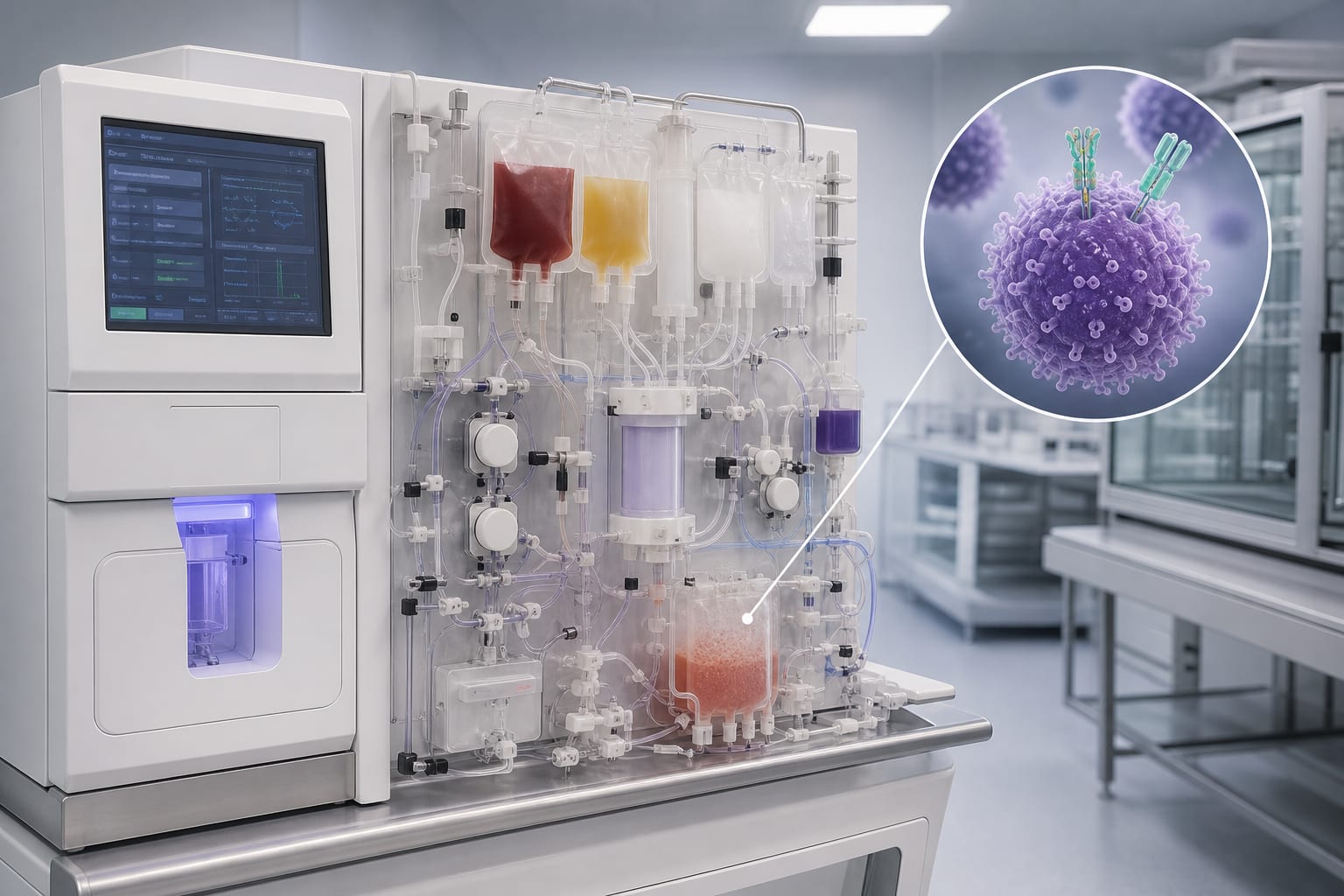
Now, as a member of the Transplant and Cellular Therapy team at Roswell Park, Chelsea Peterson, DO, is eager to see the continued evolution of cellular and CAR T-cell therapies for patients beyond just those with solid tumors.
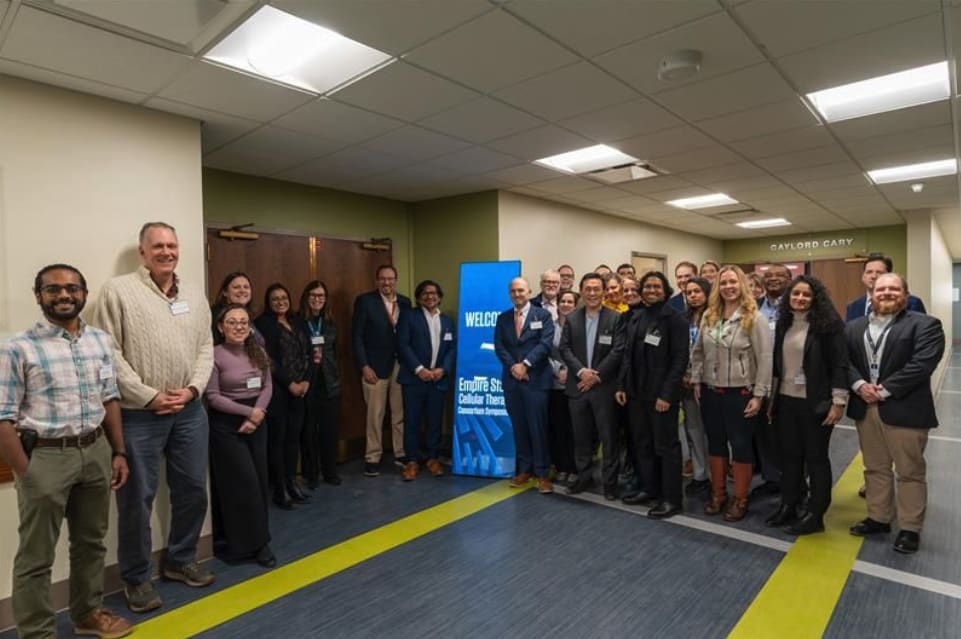
To expand on early progress in the emerging field of cell and gene therapy, five research centers across New York State are collaborating to develop new cell therapies for cancer and other diseases.