Clinical Report: Impact of an Organochlorine Mixture on Lipid Metabolism in Sertoli TM4 Cells
Overview
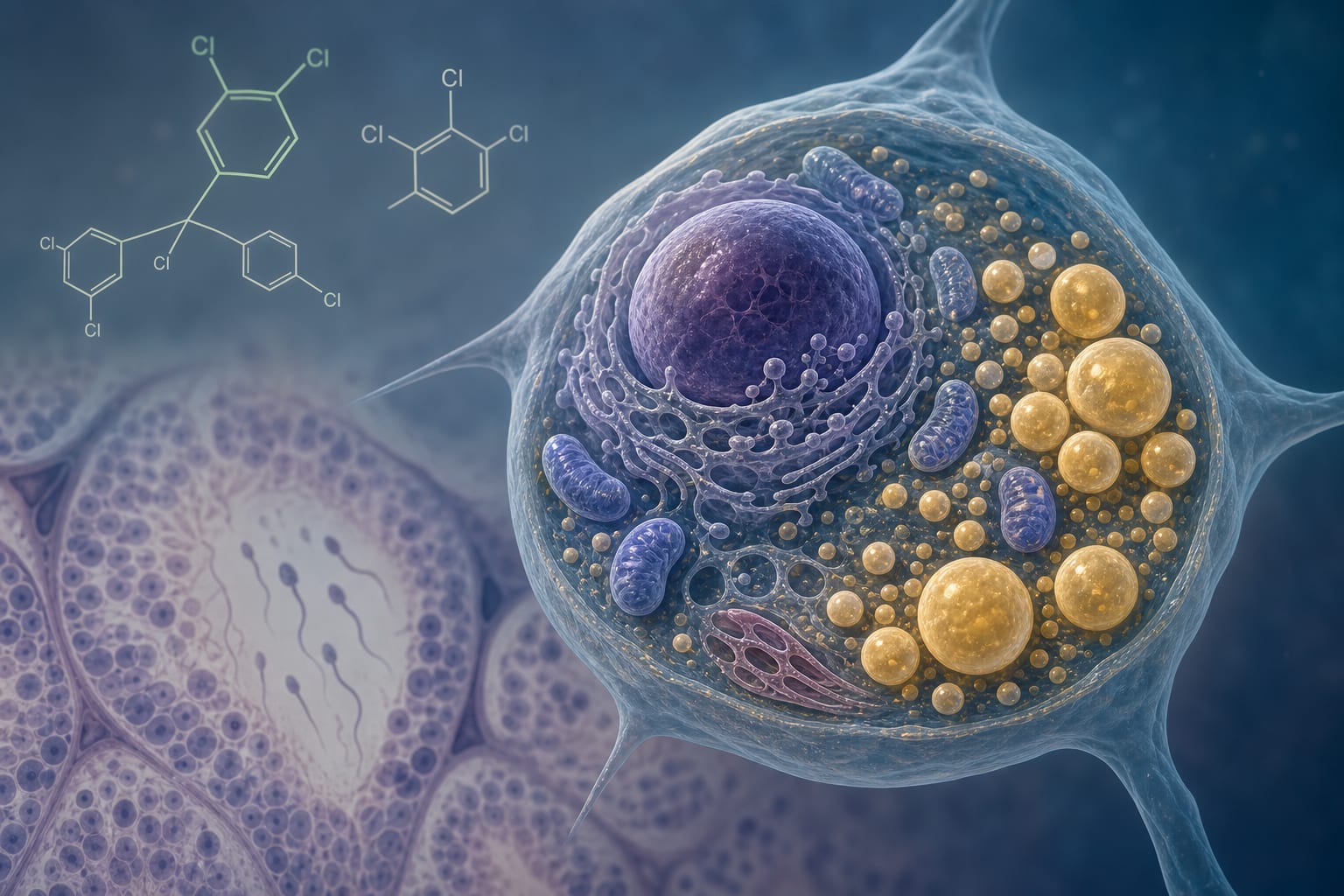
This study investigates the effects of an organochlorine mixture (OC-MIX) on lipid metabolism in Sertoli TM4 cells, revealing significant disruptions in lipid homeostasis and oxidative stress. The findings highlight the potential mechanisms through which environmental exposures may impair male reproductive health.
Background
The decline in male reproductive health is a pressing global concern, with infertility affecting a significant percentage of couples. Environmental factors, particularly endocrine-disrupting chemicals like organochlorines, are implicated in this decline, disrupting metabolic processes and potentially leading to adverse reproductive outcomes. Understanding the mechanisms of these disruptions is crucial for developing effective interventions.
Data Highlights
No specific numerical data or trial results were provided in the source material.
Key Findings
OC-MIX, a 20-component organochlorine mixture, disrupts lipid metabolism in Sertoli TM4 cells.
Exposure to OC-MIX induces oxidative stress and alters mitochondrial function.
OC-MIX exposure leads to significant changes in lipid homeostasis, potentially impairing Sertoli cell function.
Previous studies have shown that organochlorines are linked to reduced male fertility and testicular dysgenesis syndrome.
Understanding the impact of OC-MIX on Sertoli cells is essential for elucidating the mechanisms of testicular toxicity.
Clinical Implications
Clinicians should consider the impact of environmental exposures, such as organochlorines, on male reproductive health when evaluating infertility cases. Awareness of these factors may guide risk reduction strategies and inform patient counseling regarding lifestyle and environmental modifications.
Conclusion
The study underscores the need for further research into the effects of environmental toxicants on male reproductive health, particularly regarding their mechanisms of action in testicular cells. Addressing these concerns is vital for improving reproductive outcomes in affected populations.