Addressing Addiction Through a Controversial Approach: Reevaluating the Role of Ketamine
-
By
-
Alqassem Y. Hakami
-
July 9, 2026
Clinical Report: Addressing Addiction Through a Controversial Approach
Overview
This review evaluates ketamine's potential as a treatment for substance use disorders (SUDs) and treatment-resistant depression (TRD). It highlights reductions in cravings and abstinent days, while also addressing concerns regarding misuse and variability in clinical outcomes.
Background
Substance use disorders and treatment-resistant depression pose significant global health challenges, characterized by high relapse rates and limited treatment efficacy. Current pharmacological and behavioral interventions are often inadequate, necessitating the exploration of novel therapies like ketamine.
Data Highlights
Ketamine combined with psychotherapy has shown reductions in cravings and increases in abstinent days in small-to-moderate Phase 2 trials for alcohol and cocaine use disorders.
Key Findings
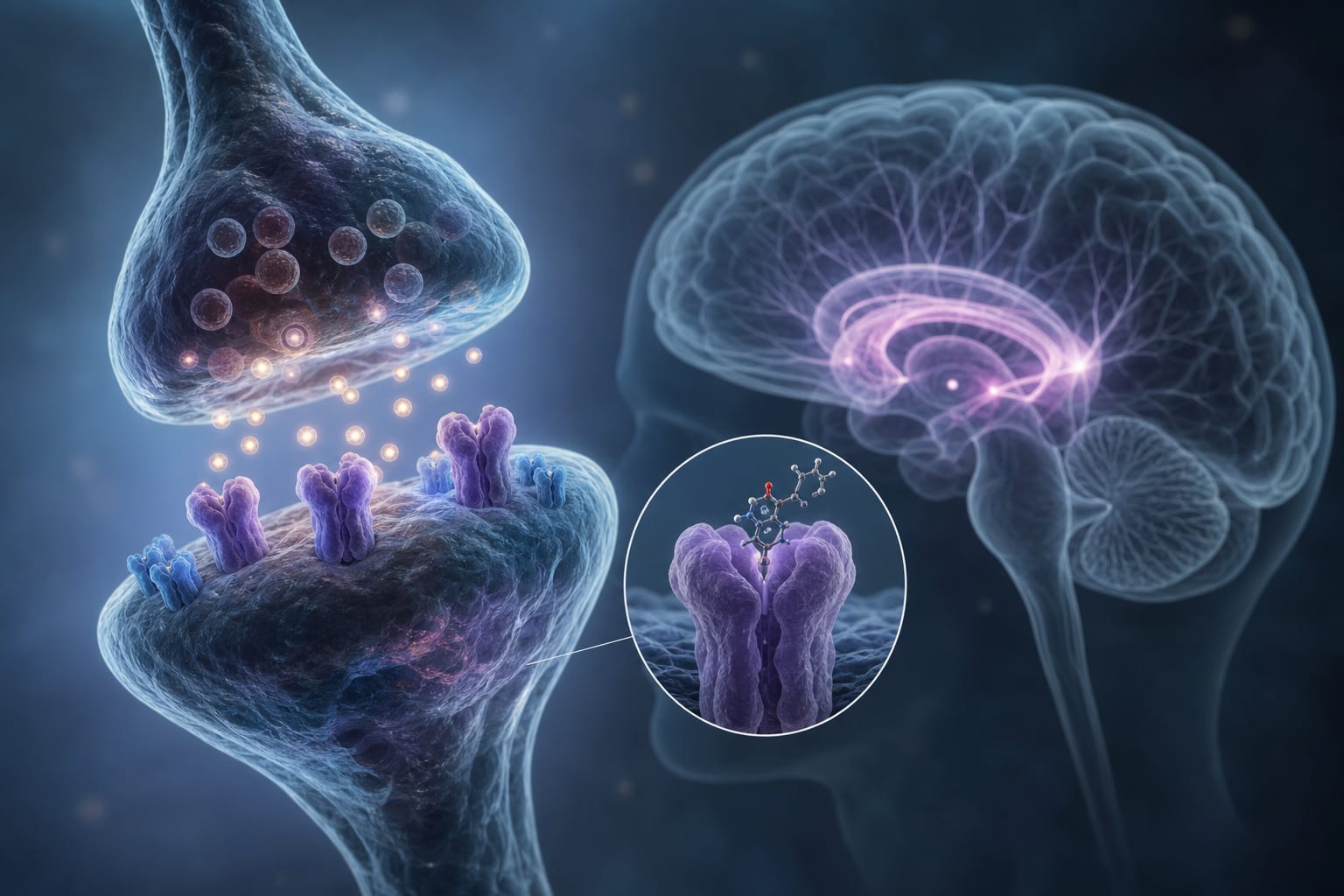
- Ketamine promotes synaptic plasticity through NMDA receptor antagonism, potentially disrupting maladaptive reward-related memories.
- Variability in dosing strategies and follow-up periods complicates the generalization of findings regarding ketamine's efficacy.
- Acute adverse effects of ketamine are generally transient under clinical supervision.
- There is a risk of misuse associated with ketamine, particularly in unsupervised settings.
- Long-term safety data and larger-scale trials are needed to define ketamine's role in psychiatric and addiction treatment frameworks.
Clinical Implications
Clinicians should consider ketamine as a potential treatment for SUDs when integrated with psychotherapy.
Conclusion
Ketamine presents an experimental option for treating refractory depression and selected substance use disorders.
Related Resources & Content
- Frontiers in Psychiatry, 2026 -- Navigating ‘k-land’: a qualitative exploration of participants’ experiences of ketamine-assisted psychotherapy for methamphetamine use disorder
- Brain, 2026 -- Investigating the Cognitive Neuroscience Behind Ketamine's Effects on Major Depression
- JAMA Network Open, 2026 -- Oral Ketamine for Treatment-Resistant Depression—Not Yet Time?
- JAMA Network Open, 2026 -- Oral Prolonged-Release Ketamine for Treatment-Resistant Depression: Two Randomized Clinical Trials
- Frontiers, 2026 -- Intranasal esketamine plus oral antidepressant for treatment-resistant depression: acute induction and maintenance relapse-prevention outcomes in a systematic review and meta-analysis
- Frontiers, 2026 -- Ketamine for substance use disorders: A systematic review and meta-analysis
- Frontiers | Intranasal esketamine plus oral antidepressant for treatment-resistant depression: acute induction and maintenance relapse-prevention outcomes in a systematic review and meta-analysis
- Frontiers | Ketamine for substance use disorders: A systematic review and meta-analysis
Based on findings from:
Treating addiction with an addictive drug: the ketamine paradox revisited
Alqassem Y. Hakami. Frontiers In Psychiatry, 2026.
https://www.frontiersin.org/journals/psychiatry/articles/10.3389/fpsyt.2026.1866092/full
This content is an AI-generated, fully rewritten summary based on a published scholarly article. It does not reproduce the original text and is not a substitute for the original publication. Readers are encouraged to consult the source for full context, data, and methodology.