Reevaluating the Impact of Maternal Immunity on Neonatal Escherichia coli Sepsis
-
By
-
Daolin Tang
-
Rui Kang
-
June 2, 2026
Clinical Report: Reevaluating the Impact of Maternal Immunity on Neonatal E. coli Sepsis
Overview
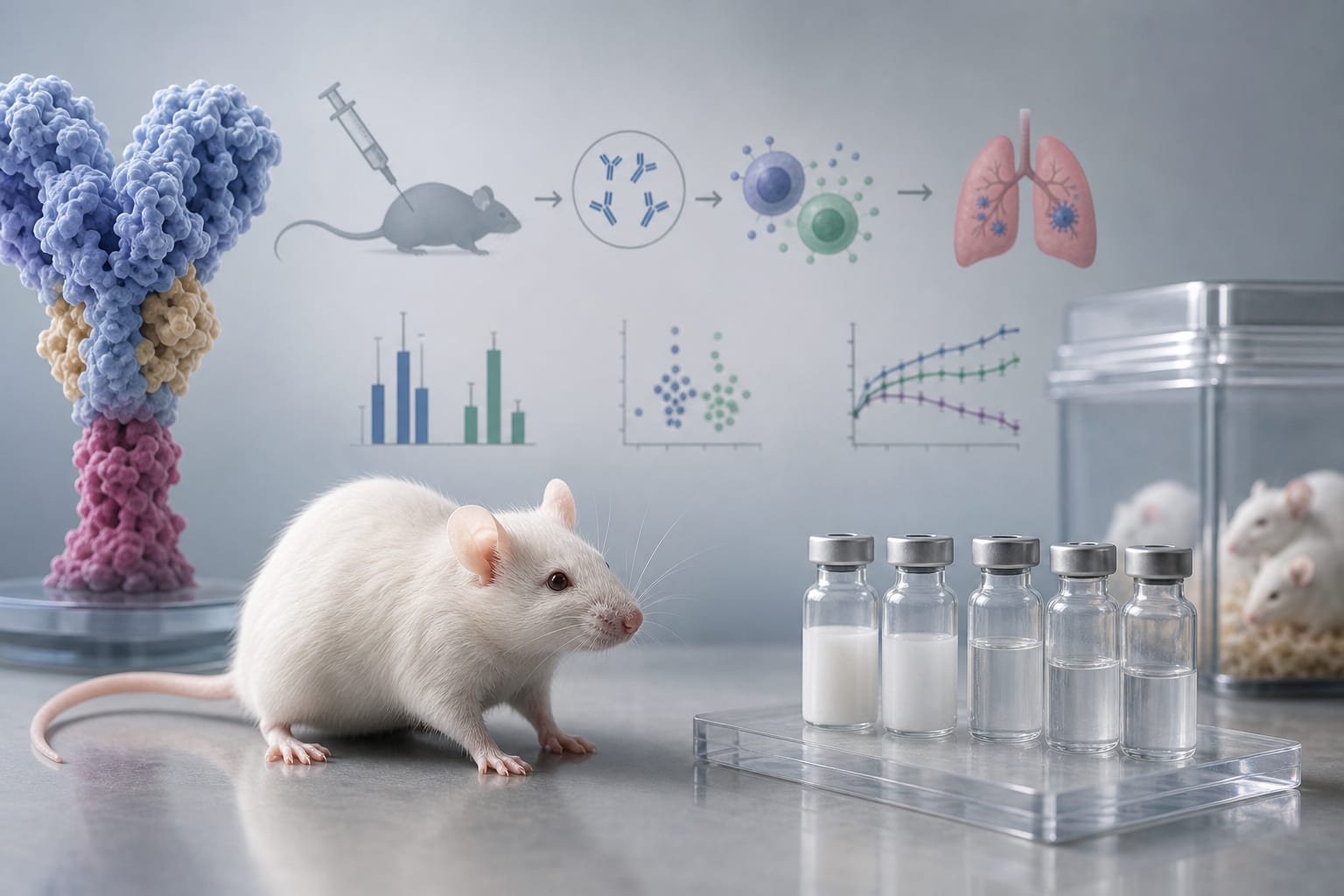
This report highlights the critical role of maternally derived, pathogen-specific IgG in protecting neonates from E. coli sepsis. Infants who developed sepsis exhibited significantly lower anti–E. coli IgG titers and reduced opsonophagocytic activity compared to matched controls.
Background
Neonatal sepsis is a significant contributor to morbidity and mortality in newborns, particularly among preterm infants. Understanding the factors that influence susceptibility to infections like E. coli sepsis is essential for developing effective prevention strategies. Recent findings suggest that maternal immunity, specifically the transfer of pathogen-specific antibodies, plays a crucial role in neonatal defense against infections.
Data Highlights
| Finding | Value |
|---|---|
| Reduction in anti–E. coli IgG titers in sepsis infants | ~10-fold |
| Reduction in opsonophagocytic activity | ~1 order of magnitude |
Key Findings
- Infants with E. coli sepsis had significantly lower anti–E. coli IgG levels at birth.
- Functional opsonophagocytic activity was diminished in sepsis-affected infants.
- Overall IgG levels were similar between infected infants and controls, indicating specific antibody deficiency.
- Maternal immune status and vertical transfer of antibodies are critical factors in neonatal infection susceptibility.
- The study shifts focus from neonatal immune immaturity to maternal antibody transfer as a key protective mechanism.
Clinical Implications
Healthcare providers should consider the importance of maternal immunity in preventing neonatal infections. Strategies to enhance maternal antibody transfer, particularly in high-risk pregnancies, may reduce the incidence of neonatal sepsis. Monitoring and addressing maternal immune status could be vital in improving neonatal outcomes.
Conclusion
The findings underscore the significance of maternal immunity in neonatal health, suggesting that enhancing maternal antibody transfer could be a promising strategy to combat neonatal E. coli sepsis.
Related Resources & Content
- Diep et al., Nature, 2026 -- Natural maternal immunity protects neonates from Escherichia coli sepsis
- Infection — The Presence of Extended-Spectrum Beta-Lactamase Producing Enterobacterales in Stool Cultures of Preterm Infants Does Not Correlate with Increased Risk of Necrotizing Enterocolitis: A 12-Year Retrospective Case-Control Analysis
- Frontiers in Pediatrics — Impact of maternal fecal microbiota on the early development of neonatal gut microbial community
- Open Forum Infectious Diseases — Colonization in Mothers, Perinatal Transmission, and Neonatal Acquisition of Resistant Enterobacterales
- The Journal of Infectious Diseases — Charting the Impact of Maternal Antibodies and Repeat Exposures on Sapovirus Immunity in Early Childhood From a Nicaraguan Birth Cohort
- Early-Onset Neonatal Sepsis Surveillance and Trends | ABCs | CDC
- Neonatal Sepsis - Pediatrics - MSD Manual Professional Edition
- Prevalence of β-lactam antibiotic resistance of Escherichia coli isolated from a neonatal intensive care unit | BMC Pediatrics | Springer Nature Link
- Enterobacterales gut colonization and late-onset sepsis in neonates: a multicentre prospective study across 18 neonatal intensive care units in six countries - PubMed
- Natural maternal immunity protects neonates from Escherichia coli sepsis | Nature
- Transplacental transfer efficiency and longitudinal dynamics of antibodies against RSV in Chinese children from birth to 8 years: a paired mother–neonate cohort study | medRxiv
- ImmunoHorizons, 2025, 9(6), vlaf017
- Bactericidal/Permeability-Increasing Protein (BPI), a Novel Antimicrobial Molecule in Human Breast Milk with Immune Potential | MDPI
- Caring for Patients with Sepsis | Sepsis | CDC
- Neonatal Bloodstream Infection Prevention Assessment | IIC | CDC
- SP7 - RESEARCH AND INNOVATION
- Johnson & Johnson Statement on Phase 3 E.mbrace Study
- Maternal vaccination to prevent neonatal infections and combat antimicrobial resistance - PubMed
Based on findings from:
Rethinking neonatal Escherichia coli sepsis: the overlooked role of maternally transferred immunity
Daolin Tang, Rui Kang. Frontiers In Immunology, 2026.
https://www.frontiersin.org/journals/immunology/articles/10.3389/fimmu.2026.1849816/full
This content is an AI-generated, fully rewritten summary based on a published scholarly article. It does not reproduce the original text and is not a substitute for the original publication. Readers are encouraged to consult the source for full context, data, and methodology.