Improving family functioning and wellbeing among families of children with disabilities in Rwanda: an application of the SAFE child protection model - Report - MDSpire
Clinical Report: Enhancing Family Dynamics and Wellbeing in Rwandan Families
Overview
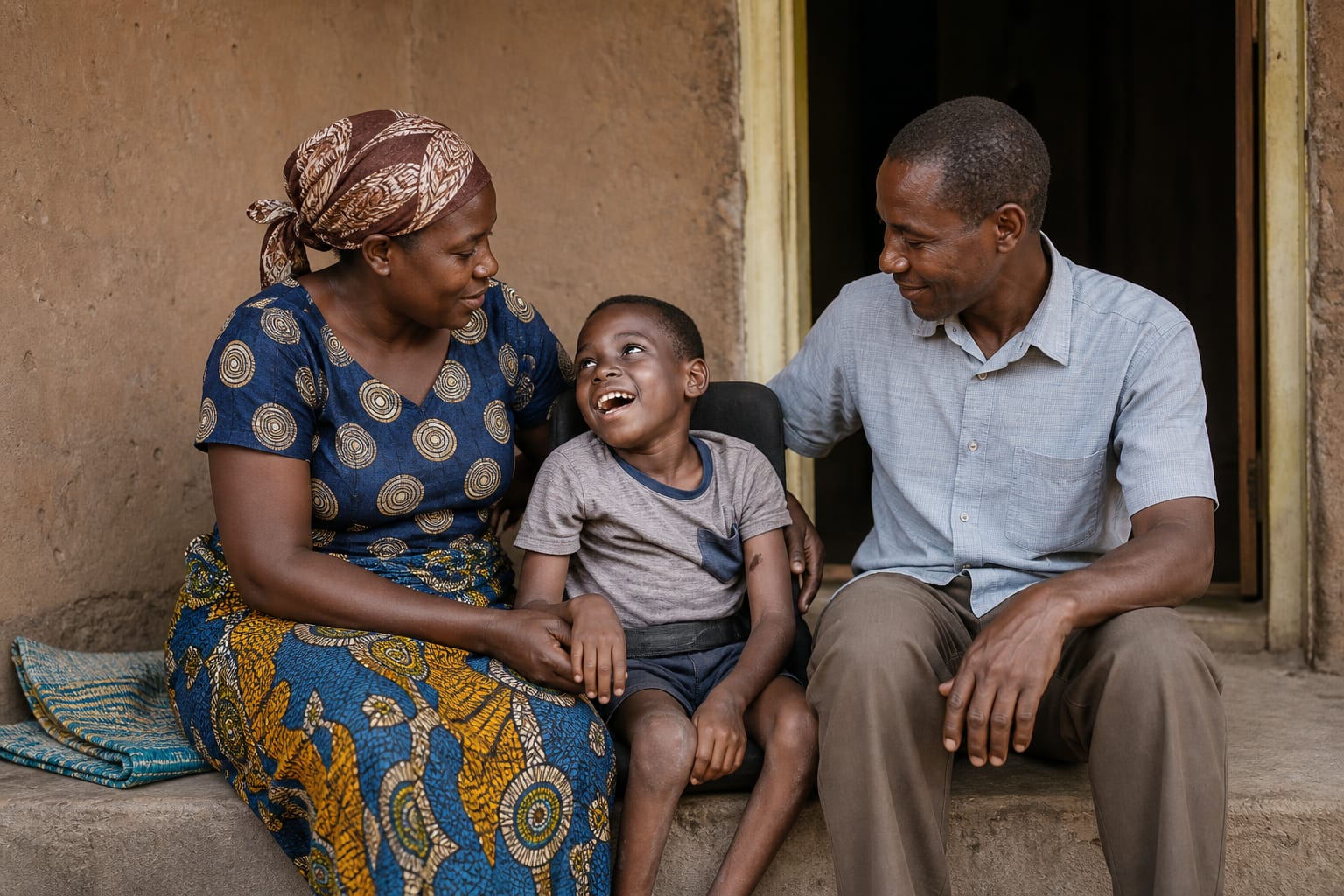
This study explores the challenges faced by Rwandan families raising children with disabilities and identifies key factors affecting family functioning and caregiver wellbeing. Utilizing the SAFE child protection framework, the research highlights threats to child safety.
Background
Families caring for children with disabilities in low-resource settings like Rwanda face significant challenges that impact their overall functioning and wellbeing. These challenges include psychological, financial, and social constraints, which can exacerbate caregiver stress and hinder child development.
Data Highlights
No numerical data presented in the source material.
Key Findings
Four categories of threats to child safety were identified: safety from harm, access to basic needs, family connections, and education/economic security.
Caregiver mental health issues and stigma associated with disabilities were significant concerns affecting family dynamics.
Single-parent households faced unique challenges, including inadequate support and increased social isolation.
Financial strain related to healthcare and disability-related expenses was prevalent among families.
The Rwandan government is committed to upholding the rights of children with disabilities through progressive reforms.
Clinical Implications
Healthcare professionals should consider the socioecological factors affecting families raising children with disabilities.
Conclusion
The findings emphasize the importance of addressing both child safety and caregiver wellbeing in low-resource settings.
by Alain Ahishakiye, Hannah Gilbert, Leila Dal Santo, Ann Miller, M. C. Smith Fawzi, Cat Kirk, Candace J. Black, Wijnand Van Den Boom, Mukeshimana Verena, Roberto Baiocco, Sarah K. G. Jensen, Kim Wilson, Vincent Sezibera, Theresa S. Betancourt
Survey results reveal the long-term socio-economic and psychological impacts of single ventricle congenital heart disease (SVHD) on families. See how cardiologists Deepti Bhat, MD, and Naim Duran, MD, contributors to this research, are using findings to transform Fontan Clinic care at Phoenix Children’s.
From Medicare payment updates to drug approvals and device access, these federal actions may affect reimbursement, prescribing, patient access, and clinical workflows.