Effects of Arylsulfatase B and Pembrolizumab in combination on progression of metastatic melanoma in the B16F10 syngeneic mouse model - Report - MDSpire
Advertisement
Effects of Arylsulfatase B and Pembrolizumab in combination on progression of metastatic melanoma in the B16F10 syngeneic mouse model
Clinical Report: Impact of Combined Arylsulfatase B and Pembrolizumab Treatment
Overview
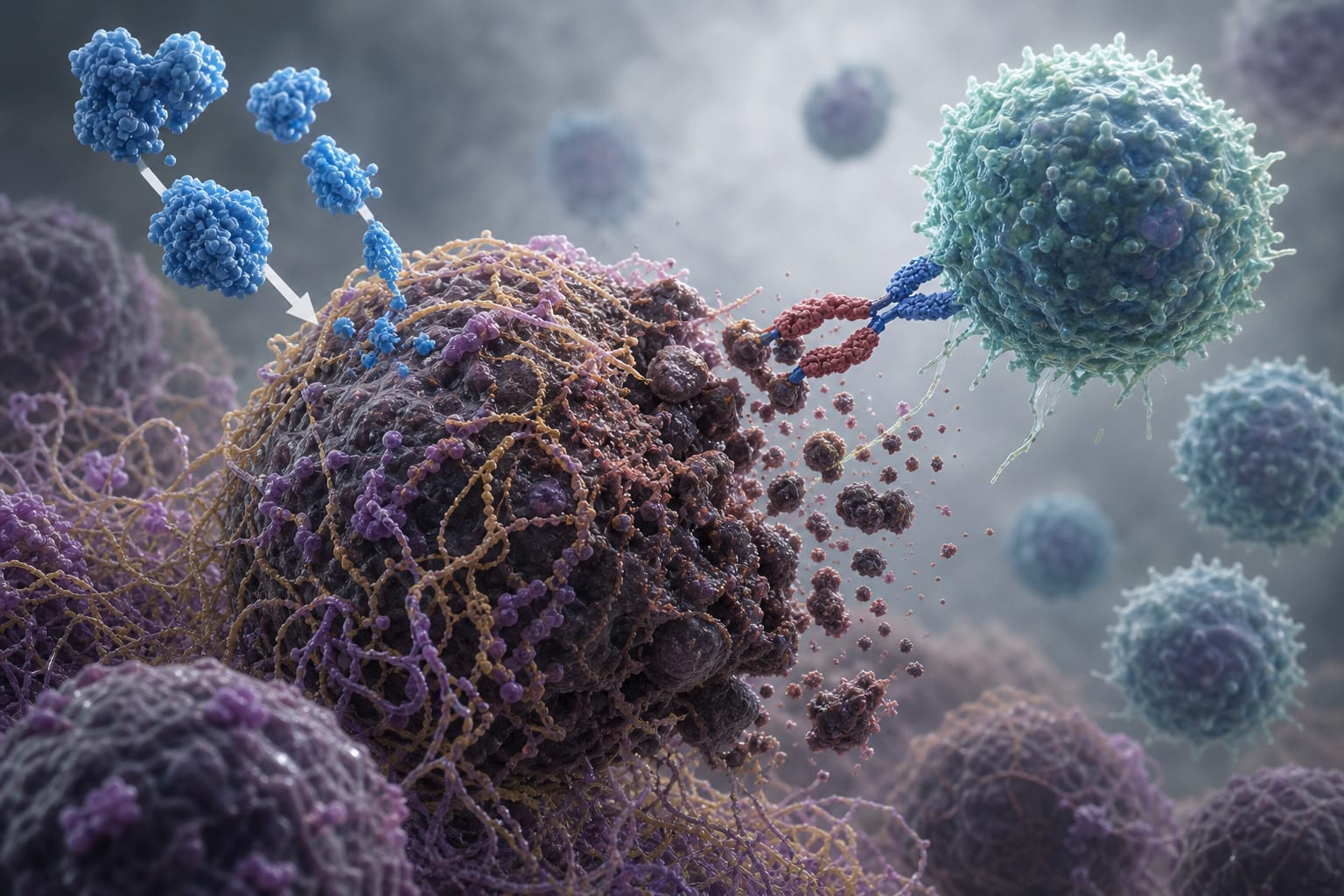
This report evaluates the synergistic effects of Arylsulfatase B (ARSB) and Pembrolizumab on metastatic melanoma progression in a B16F10 syngeneic mouse model. Findings indicate that the combination treatment enhances apoptosis and reduces invasiveness, potentially improving therapeutic outcomes.
Background
Melanoma remains a significant clinical challenge, particularly in advanced stages where treatment options are limited. The enzyme ARSB has been identified as a potential therapeutic target due to its role in tumor progression and its ability to modulate immune responses. Understanding the interaction between ARSB and established therapies like Pembrolizumab could lead to improved treatment strategies for melanoma patients.
Data Highlights
No numerical data presented in the source material.
Key Findings
ARSB treatment inhibits progression of subcutaneous and metastatic pulmonary melanomas.
Combined ARSB and Pembrolizumab treatment enhances apoptosis through different mechanisms.
ARSB reduces expression of metalloproteinases, leading to decreased invasiveness of melanoma cells.
Altered cytokine expression was observed with combined treatment, indicating a potential immune modulation effect.
Previous studies suggest that ARSB acts as a tumor suppressor in melanoma models.
Clinical Implications
The findings suggest that incorporating ARSB into treatment regimens for melanoma may enhance the efficacy of existing therapies like Pembrolizumab. This combination could lead to improved patient outcomes by targeting both tumor cells and the immune response.
Conclusion
The combination of ARSB and Pembrolizumab presents a promising therapeutic strategy for metastatic melanoma, warranting further investigation in clinical settings.