Bariatric Surgery Outcomes in Patients with Inflammatory Bowel Disease in the United States: An Analysis of the Nationwide Readmissions Database - Report - MDSpire
Advertisement
Bariatric Surgery Outcomes in Patients with Inflammatory Bowel Disease in the United States: An Analysis of the Nationwide Readmissions Database
Outcomes of Bariatric Surgery in US Patients with Inflammatory Bowel Disease
Overview
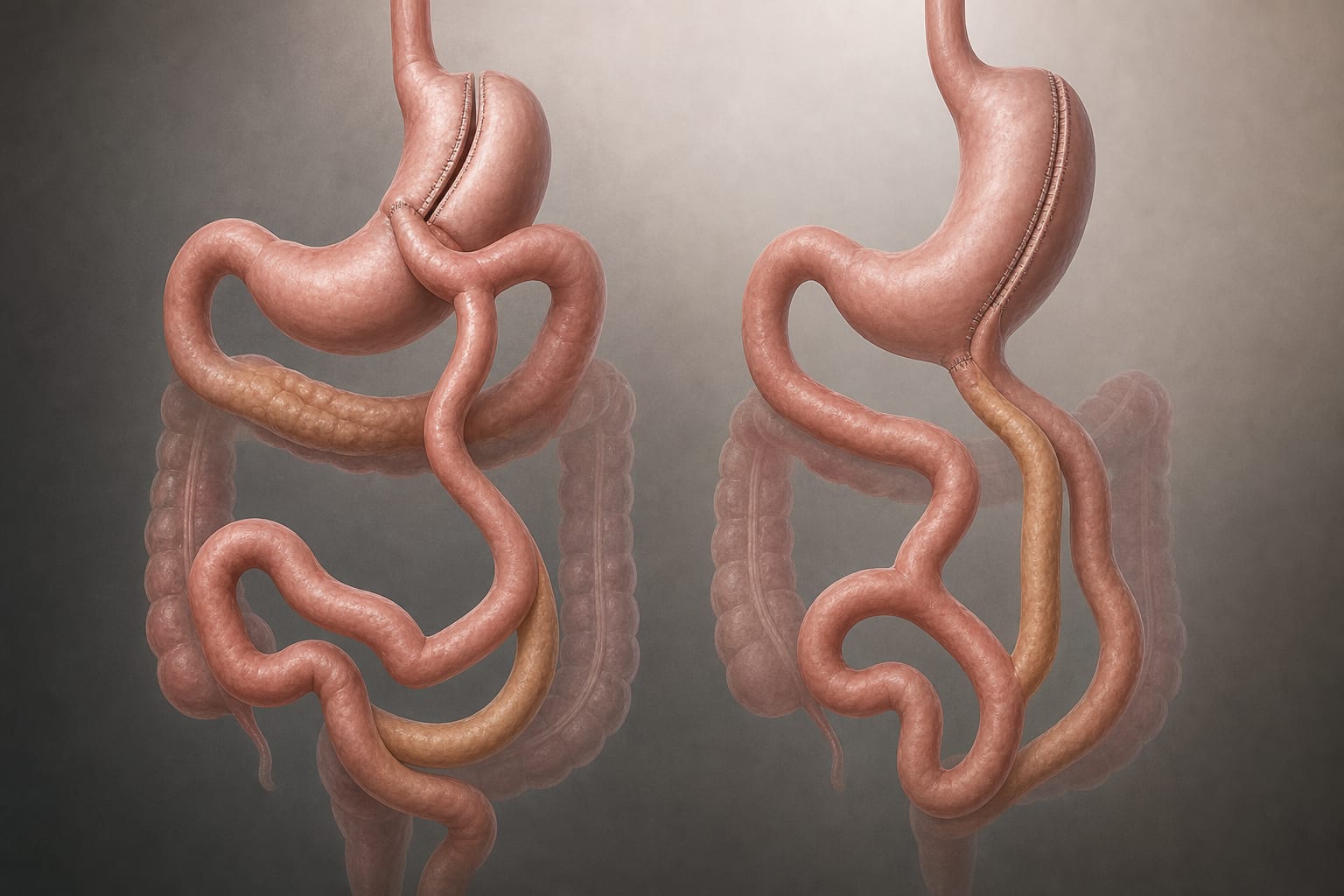
This study evaluated postoperative outcomes of sleeve gastrectomy (SG) in patients with inflammatory bowel disease (IBD) using the Nationwide Readmissions Database from 2010 to 2020. It compared in-hospital mortality, complications, and 90-day readmission rates between patients with and without IBD undergoing SG. Findings highlight the safety profile and readmission risks associated with SG in the IBD population.
Background
Obesity affects over 40% of US adults and is associated with significant comorbidities and healthcare costs. Concurrently, inflammatory bowel disease (IBD), including Crohn’s disease and ulcerative colitis, is increasing in prevalence, with approximately one-third of IBD patients also obese. Bariatric surgery, particularly sleeve gastrectomy (SG), is an effective treatment for obesity but data on its safety and outcomes in IBD patients remain limited. This study addresses this gap by analyzing nationwide inpatient data to assess postoperative outcomes in this population.
Data Highlights
The study utilized the Nationwide Readmissions Database (NRD) from 2010 to 2020, encompassing approximately 35 million yearly hospital discharges. Patients undergoing SG were identified and stratified by IBD status using ICD codes. Outcomes measured included in-hospital mortality, postoperative complications, length of stay, hospital costs, and 90-day all-cause and cause-specific readmissions. Patients under 18 or with prior bariatric surgery were excluded. The NRD captures inpatient events and readmissions within the same calendar year.
Key Findings
Patients with IBD undergoing SG did not demonstrate increased in-hospital mortality compared to non-IBD patients.
Postoperative in-hospital complications were comparable between IBD and non-IBD groups, including bariatric-specific and general complications.
Length of hospital stay and inflation-adjusted hospital costs were analyzed, providing insight into resource utilization.
All-cause 90-day readmission rates were assessed, with cause-specific readmissions identified by primary discharge diagnosis codes.
The study excluded patients discharged in the last quarter of the year to ensure complete 90-day follow-up data.
Clinical Implications
These findings support the relative safety of sleeve gastrectomy in patients with IBD, with no significant increase in in-hospital mortality or postoperative complications. Clinicians can consider SG as a viable obesity treatment option in this population while monitoring for potential readmissions. Awareness of resource utilization and readmission risks can guide perioperative management and patient counseling.
Conclusion
Sleeve gastrectomy appears to be a safe and effective bariatric surgery option for patients with inflammatory bowel disease, with comparable postoperative outcomes to those without IBD. Further research may optimize perioperative care to reduce readmission risks in this population.
References
CDC/NCHS 2020 -- Prevalence of Obesity Among Adults in the United States
Agency for Healthcare Research and Quality 2019 -- Healthcare Cost and Utilization Project
HCUP Nationwide Readmissions Database 2010-2020 -- Data Source
Elixhauser et al. 1998 -- Comorbidity Measures for Use with Administrative Data