Clinical Report: Progress in Neoadjuvant Immunotherapy Approaches for NSCLC
Overview
Neoadjuvant immunotherapy, particularly immune checkpoint inhibitors, shows promise in enhancing anti-tumor responses in early-stage non-small cell lung cancer (NSCLC). Clinical trials indicate significant improvements in major pathological response and overall survival, highlighting the potential for personalized treatment strategies.
Background
Non-small cell lung cancer (NSCLC) is a leading cause of cancer-related mortality, with high rates of recurrence and metastasis following surgical resection. Neoadjuvant immunotherapy aims to improve outcomes by enhancing the immune response before surgery. The integration of immune checkpoint inhibitors into treatment regimens represents a significant advancement in the management of early-stage NSCLC.
Data Highlights
No specific numerical data provided in the source material.
Key Findings
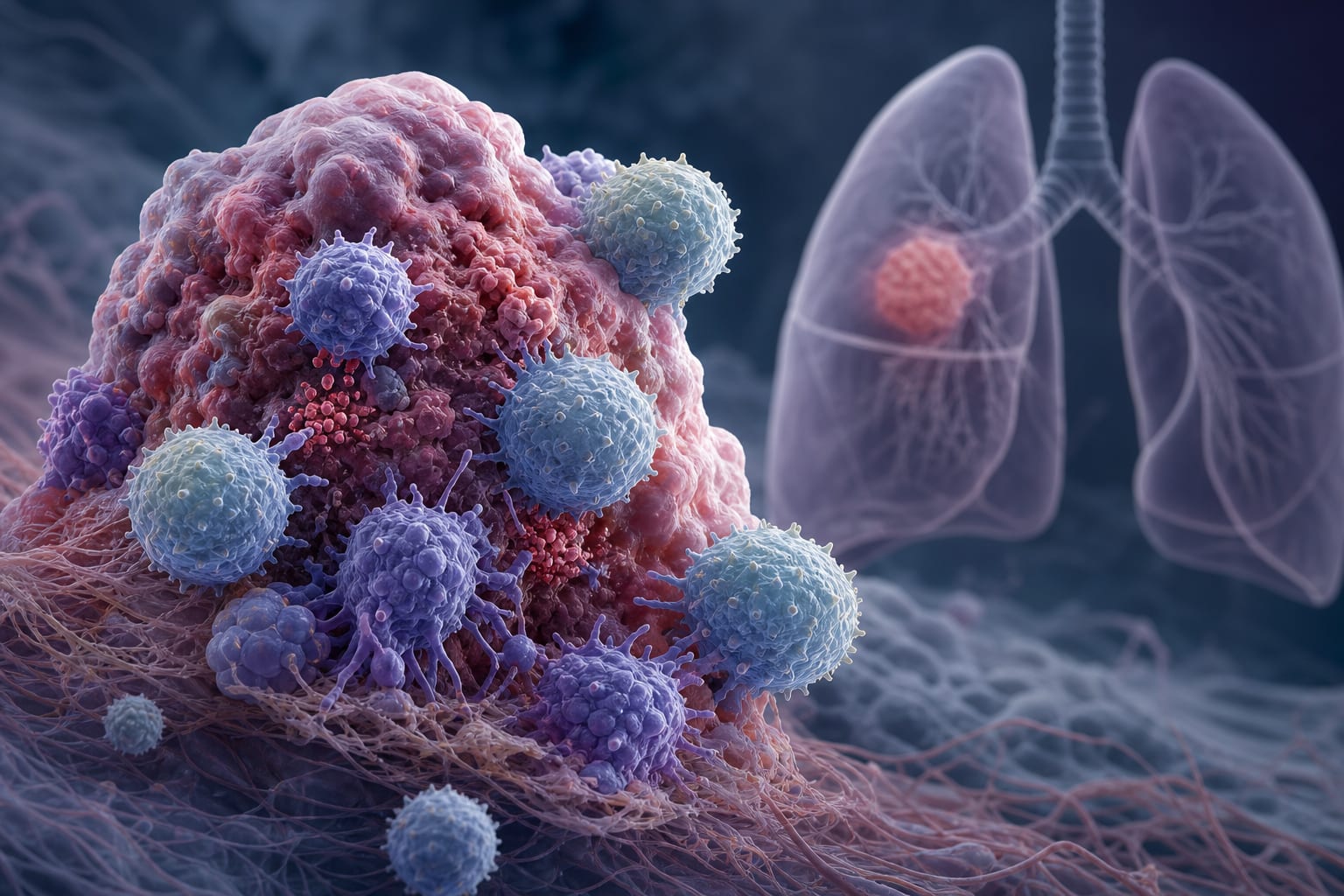
Neoadjuvant immunotherapy enhances CD8+ T cell activity and tumor-specific cytotoxicity.
Combination strategies, including dual PD-1/CTLA-4 blockade, show improved survival and pathological response.
Clinical trials confirm the safety and feasibility of neoadjuvant immune checkpoint inhibitors in operable NSCLC patients.
Predictive biomarkers such as PD-L1 and tumor mutational burden may guide patient selection for neoadjuvant therapies.
Neoadjuvant approaches may promote durable immune memory and eradicate occult micrometastases.
Clinical Implications
The findings support the incorporation of neoadjuvant immunotherapy into treatment protocols for early-stage NSCLC, potentially improving long-term survival rates. Clinicians should consider biomarker assessments to optimize patient selection and treatment outcomes.
Conclusion
Neoadjuvant immunotherapy represents a promising advancement in the treatment of early-stage NSCLC, with the potential to significantly enhance patient outcomes. Ongoing research and clinical trials will further elucidate its role in personalized cancer therapy.