Clinical Report: Innovative Fecal Microbiota Transplant Technique for Investigating Gut Microbiome's Influence on Stress Responses in Murine Models
Overview
Expand on the implications of reduced corticosterone levels in relation to stress.
Background
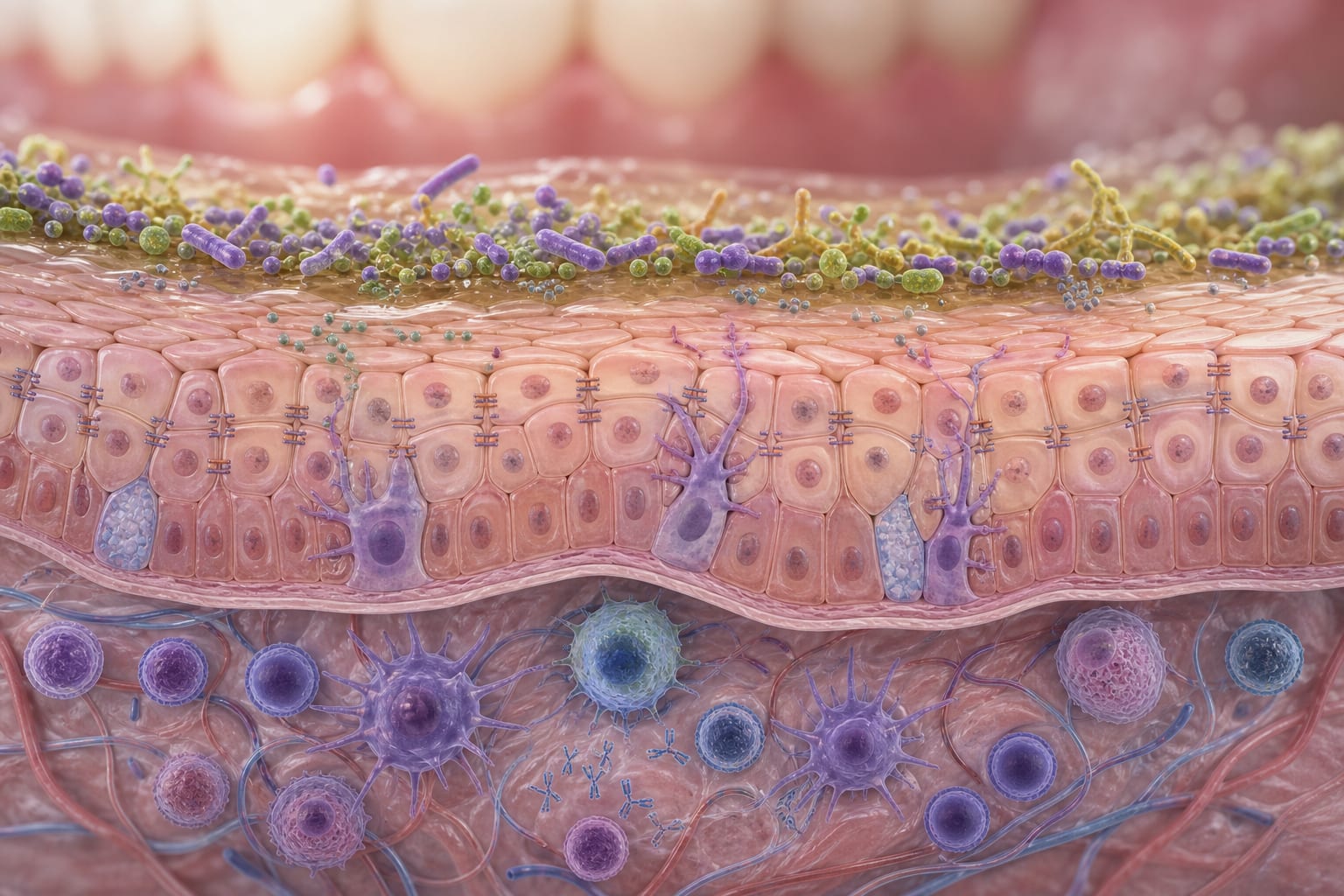
The microbiome-gut-brain axis plays a crucial role in stress-related disorders, making it essential to explore its mechanisms. Traditional FMT methods, such as oral gavage, can induce stress in animal models, potentially confounding results. This study aims to establish a less stressful FMT delivery method to enhance the reliability of preclinical research.
Data Highlights
Method
Corticosterone Levels
Microbial Similarity
Frozen aliquots
Lower
More similar to donors at 1 week
Oral gavage
Higher
Less similarity
Key Findings
The novel FMT method using frozen aliquots significantly reduced plasma corticosterone levels compared to oral gavage.
Microbial signatures in recipient mice were more similar to donor mice when using the frozen aliquot method.
Microbial similarity was sustained for up to six weeks post-FMT.
Antibiotic therapies were identified that minimized anxiolytic effects while maintaining tolerability.
Traditional oral gavage methods were associated with increased stress responses in recipient mice.
Clinical Implications
The findings suggest that using frozen aliquots for FMT can enhance the validity of preclinical studies by reducing stress-related confounding variables. This method may improve the understanding of the gut microbiome's role in stress responses and related disorders.
Conclusion
This study presents a promising alternative FMT technique that minimizes stress in murine models, potentially leading to more reliable insights into the microbiome-gut-brain axis. Further research is warranted to explore its applications in clinical settings.
by Monica A. Tschang, Ronin Deo-Campo Vuong, Baylee Eilers, Denise Chac, Adam Waalkes, Kelsi Penewit, Alyssa Easton, Bryan Schuessler, Renata Daniels, Ana A. Weil, Stephen J. Salipante, Sean M. Gibbons, Abigail G. Schindler