Residual inflammation in the cerebrospinal fluid after short- and long-term natalizumab treatment in relapsing-remitting multiple sclerosis - Report - MDSpire
Conexiant’s news site is now MDSpire News. Learn more
Advertisement
Persistent Inflammation in Cerebrospinal Fluid Following Short- and Long-Term Treatment with Natalizumab in Patients with Relapsing-Remitting Multiple Sclerosis
Clinical Report: Persistent Inflammation in Cerebrospinal Fluid Following Natalizumab
Overview
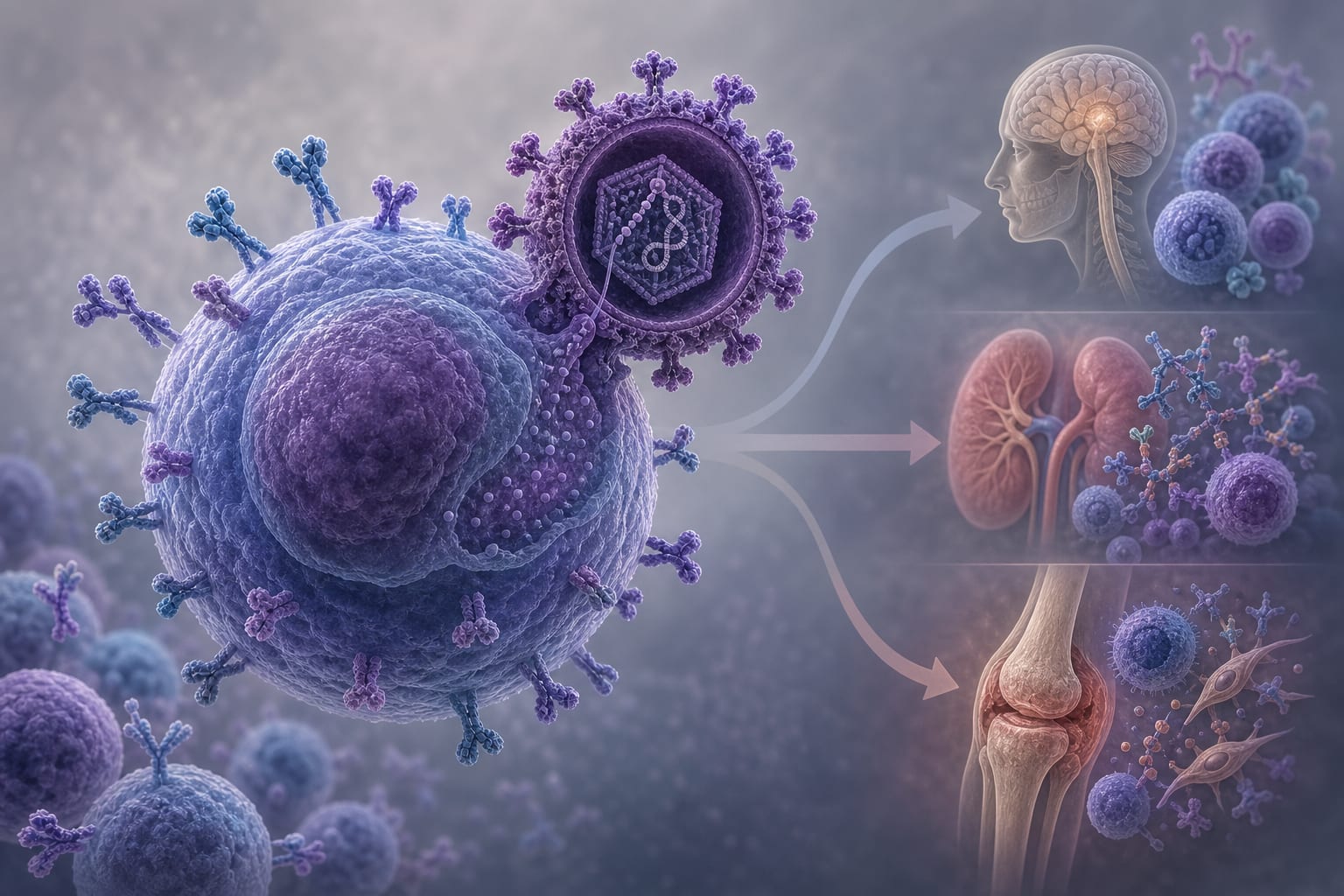
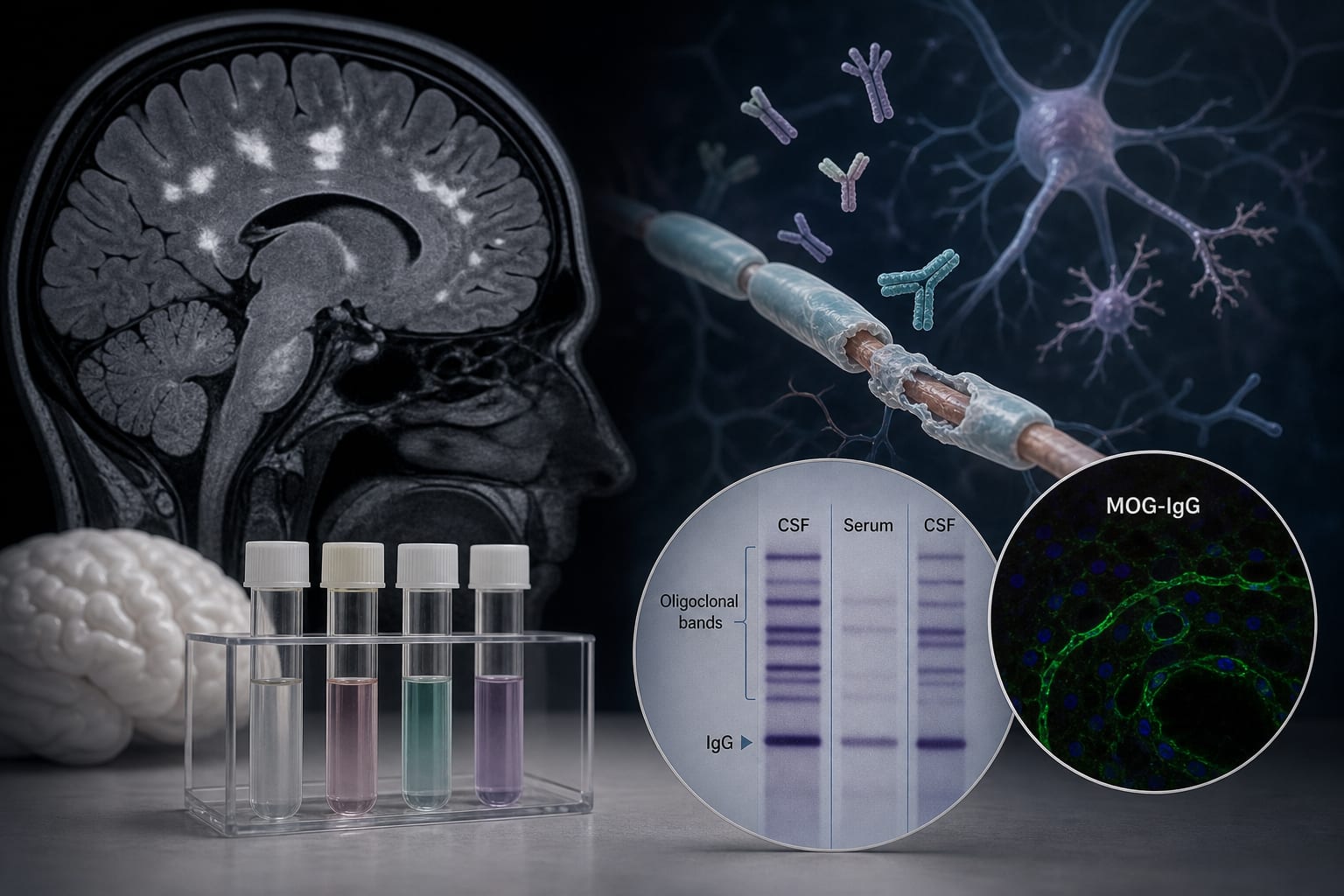
This study investigates the persistence of intrathecal inflammation in patients with relapsing-remitting multiple sclerosis (RRMS) after long-term treatment with natalizumab (NTZ). It finds that certain biomarkers remain elevated in patients treated for over five years, particularly in those with positive oligoclonal bands (OCBs), indicating incomplete suppression of adaptive immune activation.
Background
Natalizumab is a high-efficacy therapy for RRMS that prevents immune cell migration into the central nervous system, thereby reducing inflammation. Understanding the long-term effects of NTZ on cerebrospinal fluid (CSF) biomarkers is crucial, as residual inflammation may contribute to ongoing disease activity and neurological decline. This study addresses the gap in knowledge regarding CSF inflammation after extended NTZ treatment durations.
Data Highlights
{'format': 'Ensure the table is properly formatted for clarity.'}
Key Findings
Most CSF biomarkers were significantly lower in NTZ-treated patients compared to untreated RRMS patients.
Elevated levels of sBCMA, sCD27, CHIT1, IgG index, and IL-10 were observed in NTZ-treated patients compared to controls.
NTZ treatment duration inversely correlated with sCD27 levels.
OCB-positive patients had higher levels of sCD27 and IgG index compared to controls after more than five years of NTZ treatment.
Clinicians should be aware that while NTZ effectively reduces CSF inflammation, some biomarkers may remain elevated, particularly in OCB-positive patients. This suggests the need for ongoing monitoring and potential adjustments in treatment strategies for patients with persistent inflammation.
Conclusion
The findings highlight the importance of understanding residual intrathecal inflammation in RRMS patients treated with NTZ, particularly regarding the implications for long-term disease management and monitoring.
by Sophie Buhelt, Malene Bredahl Hansen, Helle Bach Søndergaard, Sahla El Mahdaoui, Marie Mathilde Hansen, Mie Reith Mahler, Jeppe Romme Christensen, Finn Sellebjerg