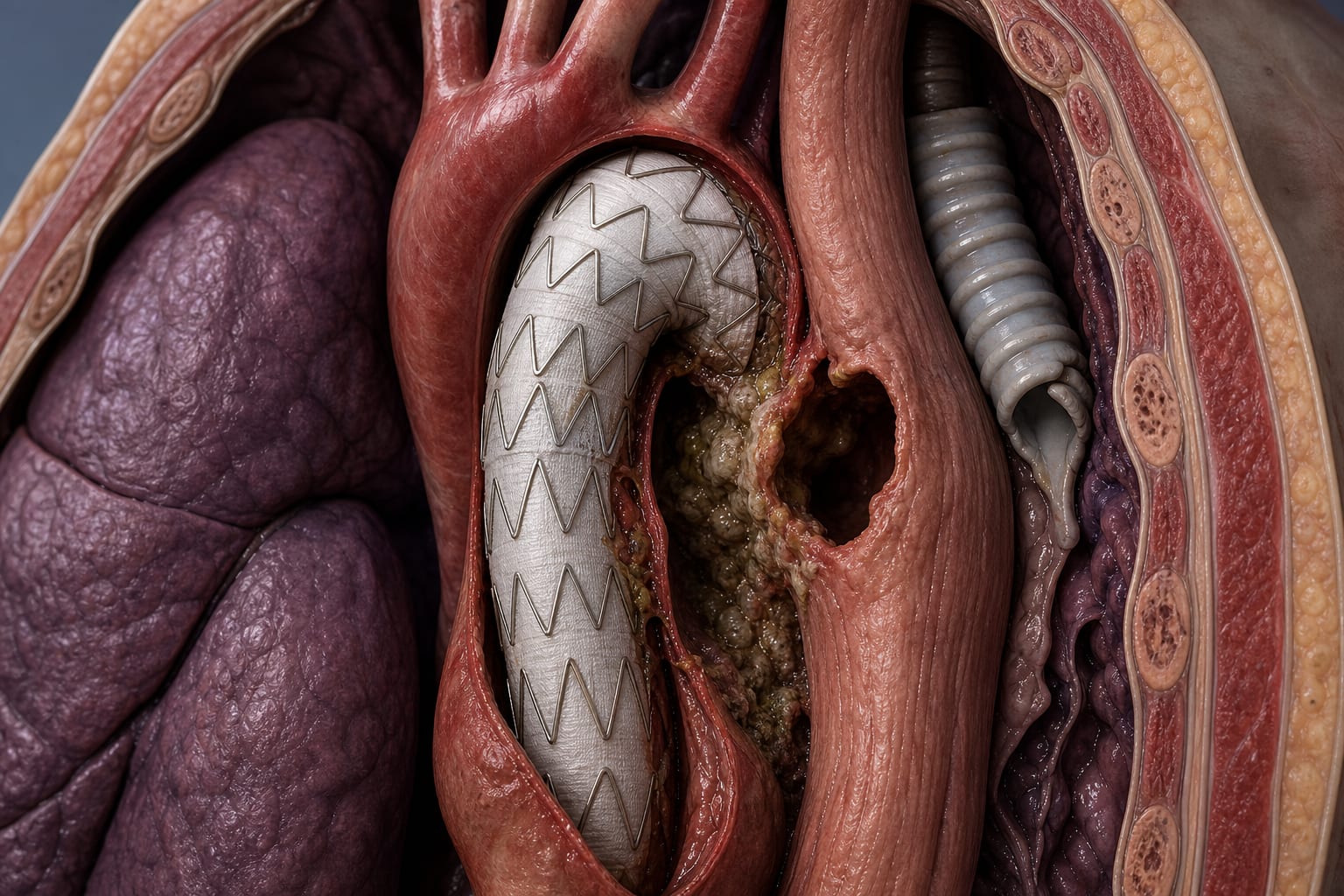
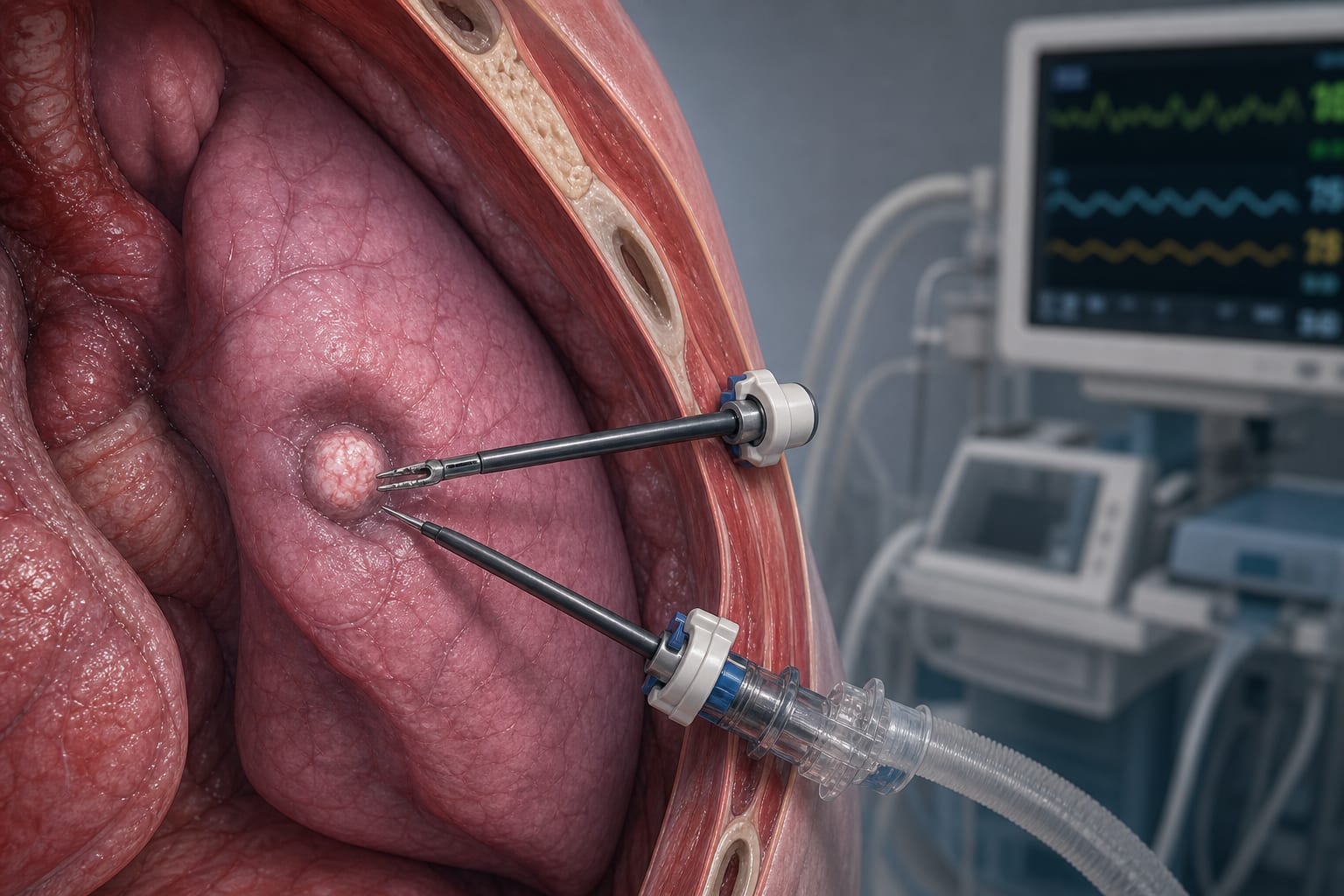
Clinical Report: Emergency Preservation and Resuscitation in Trauma Survival
Overview
Emergency preservation and resuscitation (EPR) is a hypothermia-based technique that may extend survival in patients with noncompressible torso hemorrhage and traumatic cardiac arrest. Preclinical studies demonstrate promising survival and neurologic outcomes, while early clinical trials explore feasibility in penetrating trauma cases.
Background
Noncompressible torso hemorrhage is the leading cause of preventable death in combat trauma, accounting for 91% of potentially survivable battlefield deaths. Rapid cardiac arrest often occurs when surgical intervention is delayed, especially in prolonged evacuation scenarios. EPR induces profound hypothermia to reduce metabolic demand and delay ischemic injury, potentially extending the window for hemorrhage control and surgery. This narrative review examines the development, evidence base, and emerging technologies related to EPR.
Data Highlights
Model
Survival Rate
Neurologic Outcome
Duration of Circulatory Arrest
Porcine complex abdominal/vascular injury
>75% at 6 weeks
Intact neurologic function
Up to 60 minutes
Experimental hypothermic circulatory arrest
Optimized protocols showed survival
Preserved learning and memory
Up to 120 minutes
Key Findings
EPR rapidly cools patients to ~10 °C, inducing a hypometabolic state that reduces oxygen demand and delays ischemic injury.
Preclinical models show >75% survival with intact neurologic function after complex trauma and EPR.
Survival depends on rapid induction of hypothermia and controlled rewarming; delays reduce survival chances.
Adjunctive technologies include extracorporeal life support, controlled reperfusion, and pharmacologic agents to mitigate reperfusion injury.
Clinical feasibility demonstrated in a trial enrolling penetrating trauma patients with near-immediate cardiac arrest on arrival.
Limitations include logistical complexity, need for specialized personnel, hypothermia-associated coagulopathy, and risk of reperfusion injury.
Clinical Implications
EPR may provide a critical intervention to extend the survival window in traumatic cardiac arrest due to noncompressible torso hemorrhage, especially in settings with delayed surgical access. Implementation requires advanced trauma center capabilities and careful management of hypothermia-related complications. Further clinical studies are needed to establish protocols and expand applicability.
Conclusion
EPR represents a promising strategy to delay cellular injury and improve survival in traumatic cardiac arrest, with potential to revolutionize combat trauma care. Continued research and technological development are essential to translate preclinical success into widespread clinical practice.
References
Remondelli MH et al. 2024 -- Emergency Preservation and Resuscitation for Cardiac Arrest from Trauma