Clinical Report: Exploring Digital Twins in Medicine: A Comprehensive Review
Overview
This systematic review assesses the current applications of digital twins (DTs) in healthcare, focusing on their role in personalized health management.
Background
Digital twins enable real-time monitoring and personalized treatment strategies. Their ability to create virtual representations of patients facilitates predictive modeling.
Data Highlights
No numerical data or trial results were provided in the source material.
Key Findings
Digital twins can support decision-making and optimize treatment strategies in healthcare.
They enable modeling of individual patients by integrating multimodal data sources.
Applications of DTs include chronic disease management, surgical planning, and rehabilitation.
DTs promote integrated clinical management by enhancing information sharing among specialists.
Challenges in integrating DTs into clinical practice include data integration and model fidelity.
Clinical Implications
Addressing the challenges related to data integration and model accuracy is essential for the effective use of digital twins.
Conclusion
Digital twins have potential applications in healthcare, but further exploration and refinement of this technology are necessary.
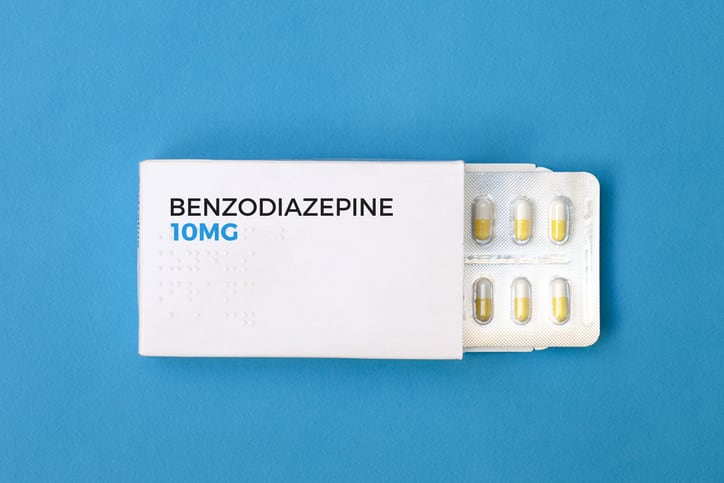
Longer initial prescriptions, use of multiple benzodiazepines, and long-acting agents were associated with delayed discontinuation in a retrospective population-based cohort study.