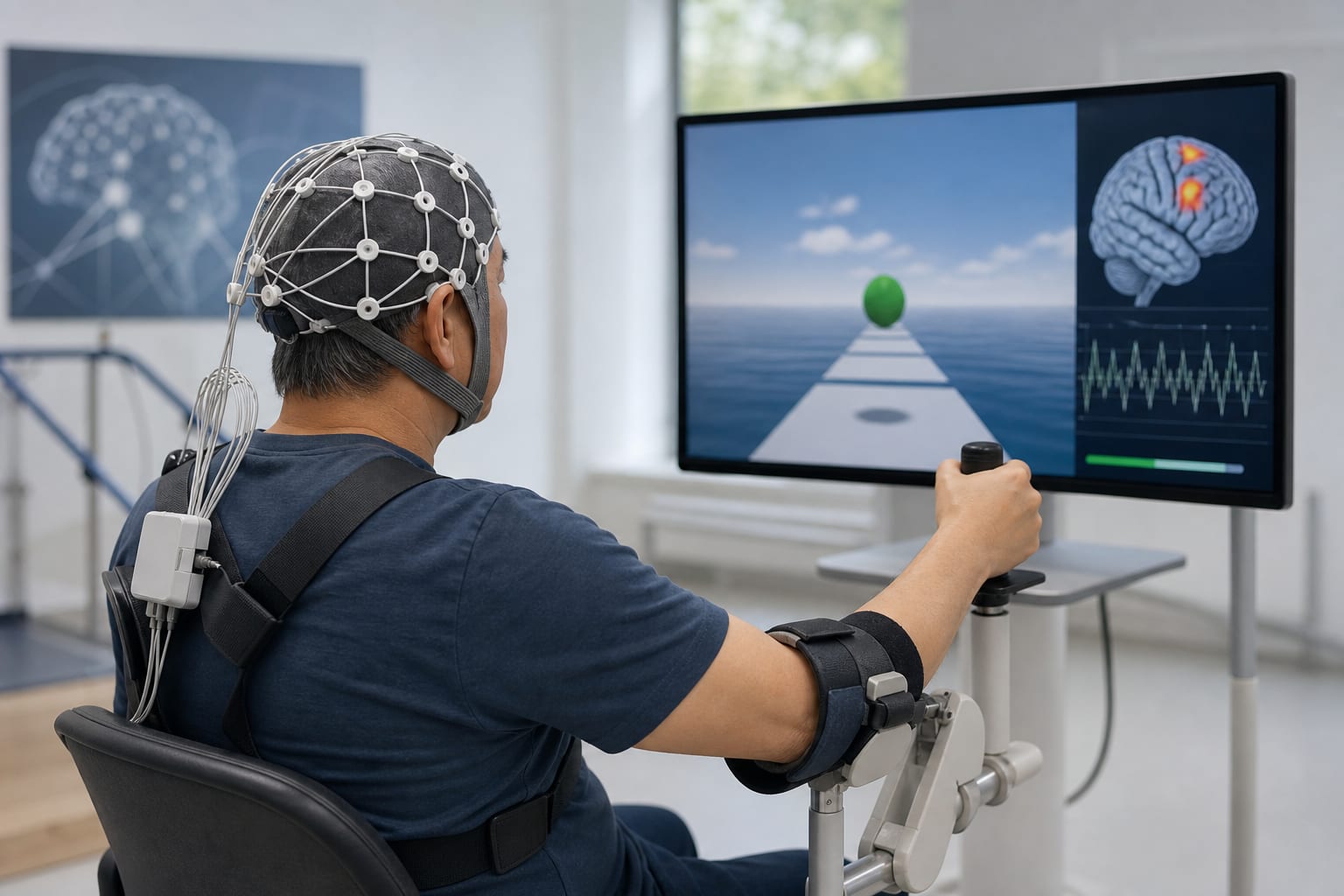
Digital Health Engagement and the Risk of Stroke in Older Adults
Overview
This study investigates the relationship between digital health engagement and stroke risk in older adults, focusing on the challenges faced by this population in adopting digital technologies.
Background
Stroke is a leading cause of death and disability, particularly affecting older adults. The integration of digital health technologies into healthcare has the potential to improve health outcomes, yet older adults often face barriers to engagement, including socioeconomic factors. Understanding the impact of digital health on stroke risk is crucial for addressing health disparities in this vulnerable population.
Data Highlights
No specific numerical data or trial data provided in the source material, but the study highlights the importance of digital health engagement in relation to stroke risk.
Key Findings
Stroke is the second leading cause of death and third leading cause of disability globally.
Approximately 85% of strokes occur in individuals aged 65 years or older.
Digital health interventions can improve self-management behaviors and physical activity levels in older adults.
Older adults experience significant challenges in adopting and using digital technologies, particularly those from lower socioeconomic backgrounds.
There is a strong collinearity between digital health engagement and socioeconomic status, complicating the assessment of their independent effects on health outcomes.
Clinical Implications
Healthcare providers should be aware of the digital divide affecting older adults and consider strategies to enhance digital engagement among this population.
Conclusion
The study highlights the need for further research to clarify the relationship between digital health engagement and stroke risk in older adults.