Challenges in managing ruptured ectopic pregnancy complicated by hemorrhagic shock in an Ebola treatment unit in DR Congo: first reported case - Report - MDSpire
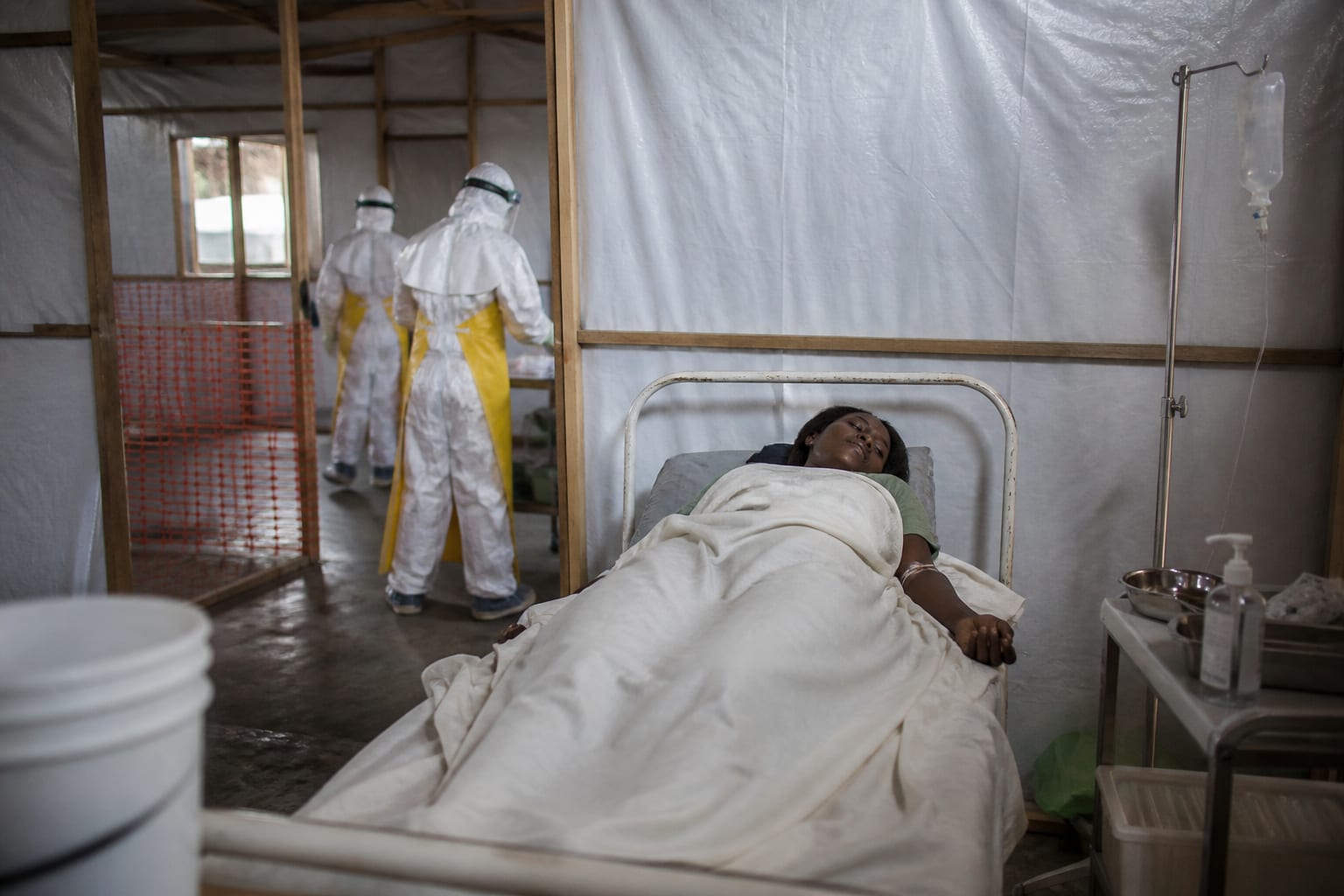
Clinical Report: Managing a Ruptured Ectopic Pregnancy in an Ebola Treatment Facility
Background
Ectopic pregnancy is a significant obstetric emergency that can lead to severe maternal morbidity and mortality if not diagnosed and treated promptly. In low-resource environments, such as Ebola treatment units, the risk of delayed diagnosis and management is heightened, potentially resulting in life-threatening complications like hemorrhagic shock.
Data Highlights
No numerical data or trial data was provided in the article, which is a limitation.
Key Findings
The patient presented with symptoms consistent with ectopic pregnancy and was admitted to an ETU due to suspected Ebola virus disease.
Diagnostic abdominal puncture confirmed hemoperitoneum due to a ruptured ectopic pregnancy.
Due to the lack of surgical facilities in the ETU, an alternative location was utilized for the necessary surgical intervention.
The surgical procedure involved left salpingectomy and homeostatic sutures, with an uneventful postoperative recovery.
Clinical Implications
Healthcare facilities, especially ETUs, must be prepared to manage obstetric emergencies like ruptured ectopic pregnancies.
Conclusion
Ruptured ectopic pregnancy remains a critical obstetric emergency that requires immediate attention, particularly in resource-limited environments.
by Prince Imani-Musimwa, Emilie Grant, Daniel Mukadi-Bamuleka, Rigo Fraterne-Muhayangabo, Alfred Ombeni-Musimwa, Zacharie Tsongo-Kibendelwa, Olivier Nyakio-Ngeleza, Richard Kitenge-Omasumbu, Théophile Barhwamire-Kabesha, Dieudonné Sengey-Mushengezi-Amani, Placide Mbala-Kingebeni, Richard Bitwe-Mihanda, Juakali Sihali-Kyolov, Mija Ververs
Achievable goals, activity tracking, and social support are among the strategies JAMA researchers recommend for patients with chronic medical conditions.
Neighborhood vulnerability was associated with poorer survival among women with epithelial ovarian cancer, with a stronger association among Black women.