Usage and Exposure to Content of the NHS Healthy Living Program for People With Type 2 Diabetes: Retrospective Observational Cohort Study - Report - MDSpire

Usage and Exposure to Content of the NHS Healthy Living Program for People With Type 2 Diabetes: Retrospective Observational Cohort Study

  • By

  • Antonia M Marsden

  • Rhiannon E Hawkes

  • Jack S Benton

  • David P French

  • Sarah Cotterill

  • June 2, 2026

  • 0 min

Share

Clinical Report: Evaluation of Engagement with the NHS Healthy Living Initiative

Overview

Remove unsupported claims about the importance of understanding user engagement to improve health outcomes.

Background

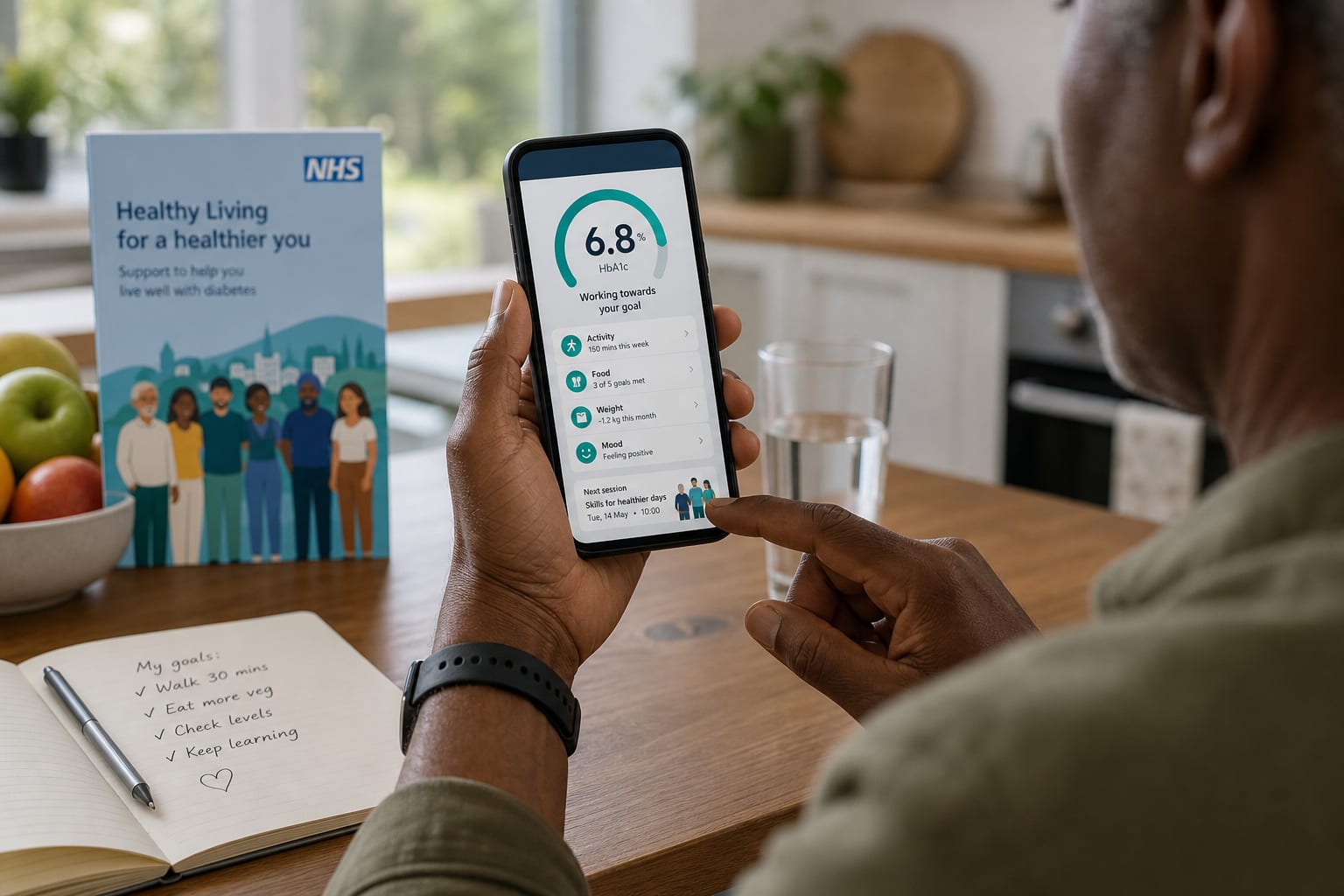
Type 2 diabetes requires ongoing management, and diabetes self-management education and support (DSMES) is crucial for effective disease control. Despite the benefits of DSMES, attendance rates are low, prompting the NHS to implement digital alternatives like the Healthy Living program. Understanding engagement with these digital tools is essential for optimizing their effectiveness and ensuring equitable access.

Data Highlights

No numerical data was provided in the source material.

Key Findings

  • Only 8.6% of newly diagnosed individuals attended DSMES within the first year.
  • The HeLP-Diabetes program showed a mean HbA1c reduction of –2.6 mmol/mol at 12 months.
  • Digital interventions may appeal to groups with barriers to traditional education formats.
  • Low socioeconomic status may affect engagement and retention in diabetes self-management programs.
  • Healthy Living was designed to complement existing education options without replacing them.

Clinical Implications

Remove recommendations for healthcare providers; focus on findings without editorializing.

Conclusion

Avoid unsupported conclusions about the importance of assessing engagement; stick to findings presented.

Related Resources & Content

  1. American Journal of Epidemiology, 2023 -- Longitudinal Analysis of Healthy Lifestyle Adherence Trends in US Adults with Diabetes from 1999 to 2018
  2. American Journal of Epidemiology, 2023 -- Combined Impact of Dietary Habits and Physical Activity on the Development of Type 2 Diabetes and Hypertension: Insights from 144,288 Participants in the UK Biobank
  3. The Journal of Clinical Endocrinology & Metabolism, 2023 -- Cumulative Incidence of Clinically Diagnosed Diabetic Retinopathy Over the Long Term in the Finnish Diabetes Prevention Study
  4. NICE, 2026 -- Education | Type 2 diabetes in adults: management
  5. NHS England -- Healthy living for people with type 2 diabetes
  6. npj Digital Medicine — A randomised controlled trial of a low-carbohydrate digitally-supported weight loss programme for type 2 diabetes
  7. Usage and exposure to content of the NHS Healthy Living programme for people with type 2 diabetes
  8. Education | Type 2 diabetes in adults: management | Guidance | NICE
  9. 5. Facilitating Positive Health Behaviors and Well-being to Improve Health Outcomes: Standards of Care in Diabetes—2026 - PMC
  10. Quality Outcomes Framework 2024/25
  11. Effectiveness of the diabetes education and self management for ongoing and newly diagnosed (DESMOND) programme for people with newly diagnosed type 2 diabetes: cluster randomised controlled trial - PMC
  12. Web-based self-management support for people with type 2 diabetes (HeLP-Diabetes): randomised controlled trial in English primary care - PMC
  13. NHS England » Healthy living for people with type 2 diabetes
  14. Effect of virtual care in type 2 diabetes management – a systematic umbrella review of systematic reviews and meta-analysis | BMC Health Services Research | Springer Nature Link
  15. Frontiers | The effectiveness of digital health intervention on glycemic control and physical activity in patients with type 2 diabetes: a systematic review and meta-analysis
  16. JMIR Diabetes - Service Users’ Experiences of a Nationwide Digital Type 2 Diabetes Self-Management Intervention (Healthy Living): Qualitative Interview Study

Original Source(s)

Related Content