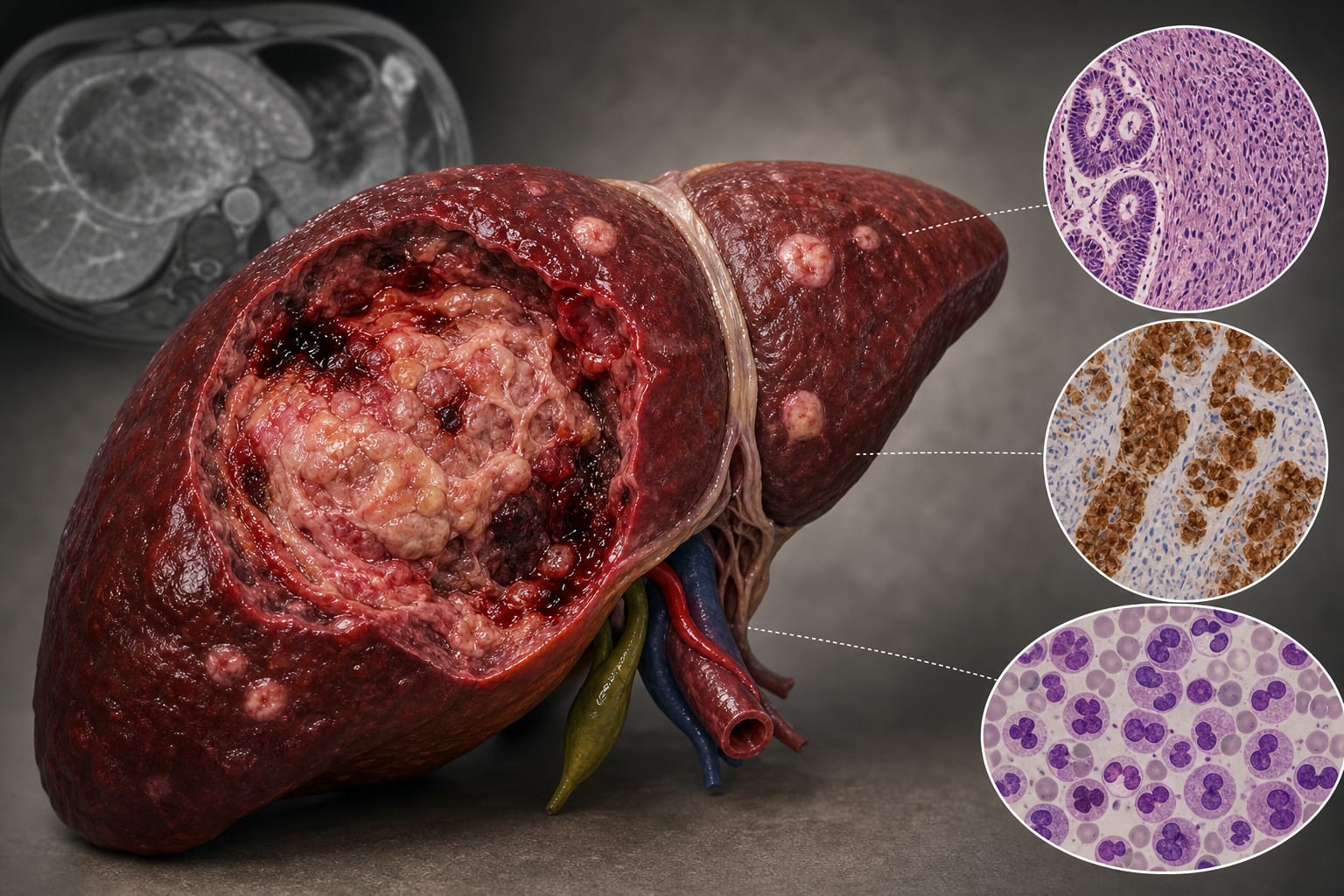
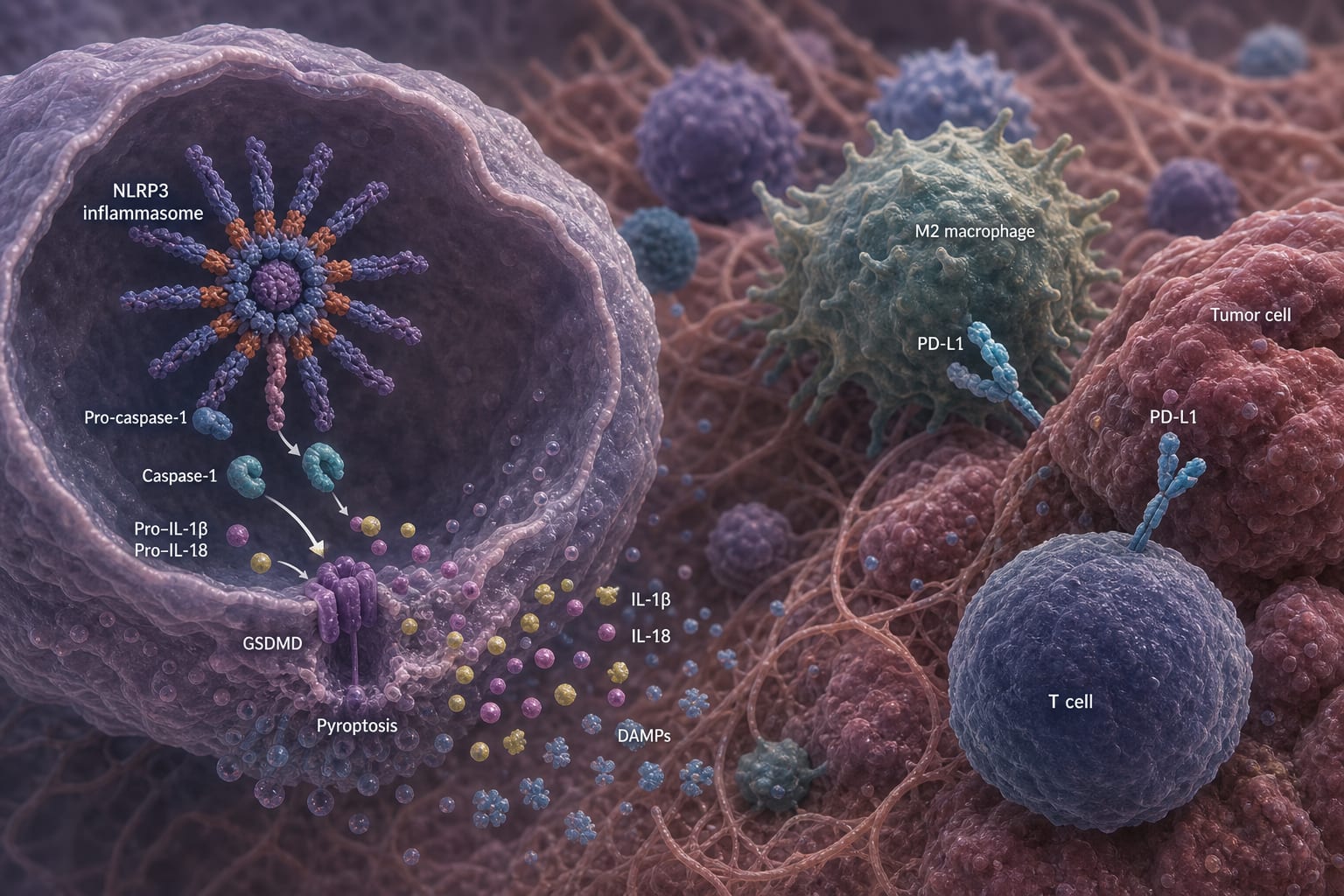
Clinical Report: Gitogenin inhibits tumor development in hepatocellular carcinoma
Overview
Gitogenin (Gito) demonstrates significant anti-tumor effects in hepatocellular carcinoma (HCC) by inhibiting growth and metastasis through the NUAK2/NF-κB signaling pathway.
Background
Hepatocellular carcinoma (HCC) is the most prevalent primary liver cancer, with high incidence and mortality rates, particularly in China. Current treatment options are limited.
Data Highlights
The study utilized various in vitro and in vivo experiments, including MTT assays, colony formation assays, and patient-derived xenograft models to evaluate the effects of Gito on HCC.
Key Findings
Gito suppressed HCC growth and progression by promoting autophagy and inhibiting epithelial-mesenchymal transition (EMT).
Inhibition of autophagy reduced Gito's effects on EMT, invasion, and migration of HCC cells.
NUAK2 overexpression diminished Gito's inhibitory effects on EMT and metastasis.
Gito altered the melting curve of NUAK2, indicating its potential as a NUAK2 inhibitor.
Clinical Implications
The findings suggest that Gito could be explored further as a therapeutic option for HCC, particularly in targeting the NUAK2/NF-κB signaling pathway. Understanding Gito's mechanisms may lead to improved treatment strategies for patients with HCC.
Conclusion
This research highlights the potential of Gito in regulating critical processes in HCC, warranting further investigation into its clinical application as a treatment for this malignancy.