Downregulation of miR-4461 by HBV Linked to Increased Fibrinogen Alpha in HCC
Overview
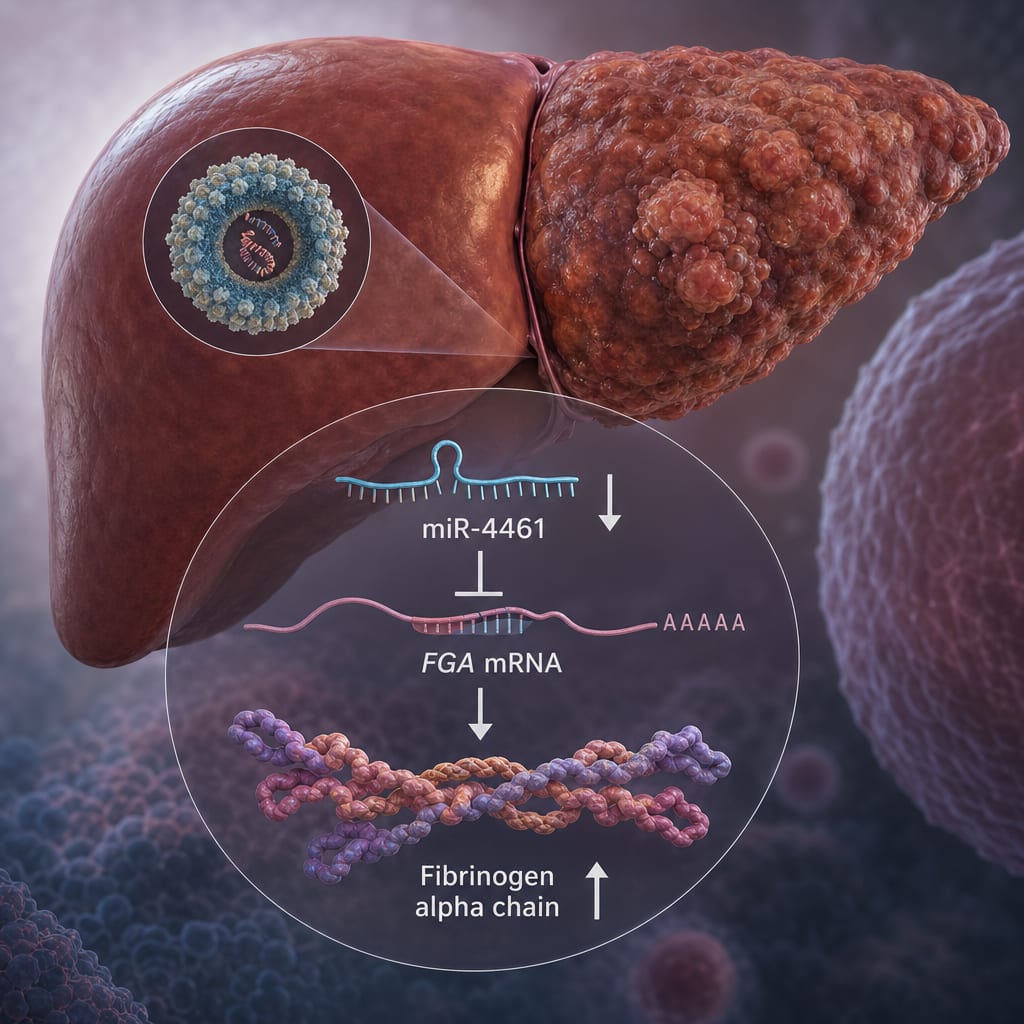
HBV infection leads to downregulation of miR-4461 in hepatocytes, which is associated with increased expression of fibrinogen alpha chain (FGA) in hepatocellular carcinoma (HCC). This study identifies a novel molecular axis implicating miR-4461 as a tumor suppressor miRNA modulated by HBV, contributing to hepatocarcinogenesis.
Background
Hepatitis B virus (HBV) infection affects over 250 million people worldwide and is a major cause of hepatocellular carcinoma (HCC). HBV promotes liver cancer through chronic inflammation, viral DNA integration, and disruption of host gene regulation. MicroRNAs (miRNAs) are critical post-transcriptional regulators involved in cancer biology, with distinct expression profiles in HBV-related HCC. miR-4461 has shown context-dependent roles in various cancers but its function in HBV-associated HCC remains unclear. This study investigates how HBV modulates miR-4461 and its downstream effects on gene expression relevant to hepatocarcinogenesis.
Data Highlights
HBV genotype C plasmids and infection models were used to demonstrate that HBV downregulates miR-4461 in hepatocyte cell lines and primary human hepatocytes. Transfection efficiency was validated by SEAP reporter assays maintaining activity within 10%. miR-4461 mimic and antisense oligonucleotides were employed to modulate miR-4461 levels, confirming its regulatory role. HBV infection assays showed decreased miR-4461 expression and increased fibrinogen alpha chain (FGA) expression in infected hepatocytes.
Key Findings
HBV infection significantly downregulates miR-4461 expression in hepatocyte cell lines and primary human hepatocytes.
miR-4461 acts as a tumor suppressor by targeting genes involved in hepatocarcinogenesis, including SIRT1 and fibrinogen alpha chain (FGA).
HBV-mediated downregulation of miR-4461 leads to increased expression of FGA, a protein implicated in tumor progression.
Plasmids expressing individual HBV genes identified specific viral components responsible for miR-4461 modulation.
miR-4461 modulation affects hepatocyte proliferation and oncogenic transformation, linking viral persistence to cancer development.
Clinical Implications
Understanding the HBV-miR-4461-FGA axis offers potential for novel diagnostic and therapeutic strategies in HBV-related HCC. miR-4461 could serve as a biomarker for early detection or prognosis of HBV-associated liver cancer. Therapeutic restoration of miR-4461 expression may inhibit tumor progression by repressing oncogenic targets such as FGA.
Conclusion
This study reveals that HBV infection downregulates miR-4461, resulting in increased fibrinogen alpha chain expression and promoting hepatocarcinogenesis. Targeting this molecular pathway may provide new avenues for managing HBV-related liver cancer.
References
Original Study -- Downregulation of miR-4461 Induced by HBV is Associated with Increased Expression of Fibrinogen Alpha Chain in Hepatocellular Carcinoma