Sex-specific disparities in postoperative adverse events following intracranial tumor surgery: insights from a tertiary neurosurgical center - Report - MDSpire
Advertisement
Sex-specific disparities in postoperative adverse events following intracranial tumor surgery: insights from a tertiary neurosurgical center
Gender-based Differences in Postoperative Complications After Intracranial Tumor Surgery
Overview
This prospective study from a specialized neurosurgery center analyzed postoperative adverse events (AEs) in male and female patients undergoing intracranial tumor surgery. Findings highlight distinct gender-related differences in complication rates and types, potentially influenced by biological and hormonal factors. The data underscore the importance of sex-specific risk stratification in perioperative management.
Background
Gender disparities in neurosurgical outcomes have been increasingly recognized, with evidence suggesting differences in morbidity, mortality, and recovery between males and females. Intracranial tumors exhibit sex-specific biological behaviors, influenced by hormone receptor expression and immune responses, which may affect surgical outcomes. Despite retrospective data indicating gender-based variations, prospective studies with standardized data collection are limited. Understanding these differences is critical for optimizing perioperative care and resource allocation in intracranial tumor surgery.
Data Highlights
Parameter
Female Patients (n=XXX)
Male Patients (n=XXX)
p-value
Overall AE Incidence (%)
XX.X
XX.X
0.0XX
Wound Infection (%)
X.X
X.X
0.0XX
New Neurological Deficits (%)
X.X
X.X
0.0XX
Thromboembolic Events (%)
X.X
X.X
0.0XX
Surgical Goal Not Achieved (%)
X.X
X.X
0.0XX
Key Findings
Female patients showed a statistically significant difference in the incidence and type of postoperative adverse events compared to male patients.
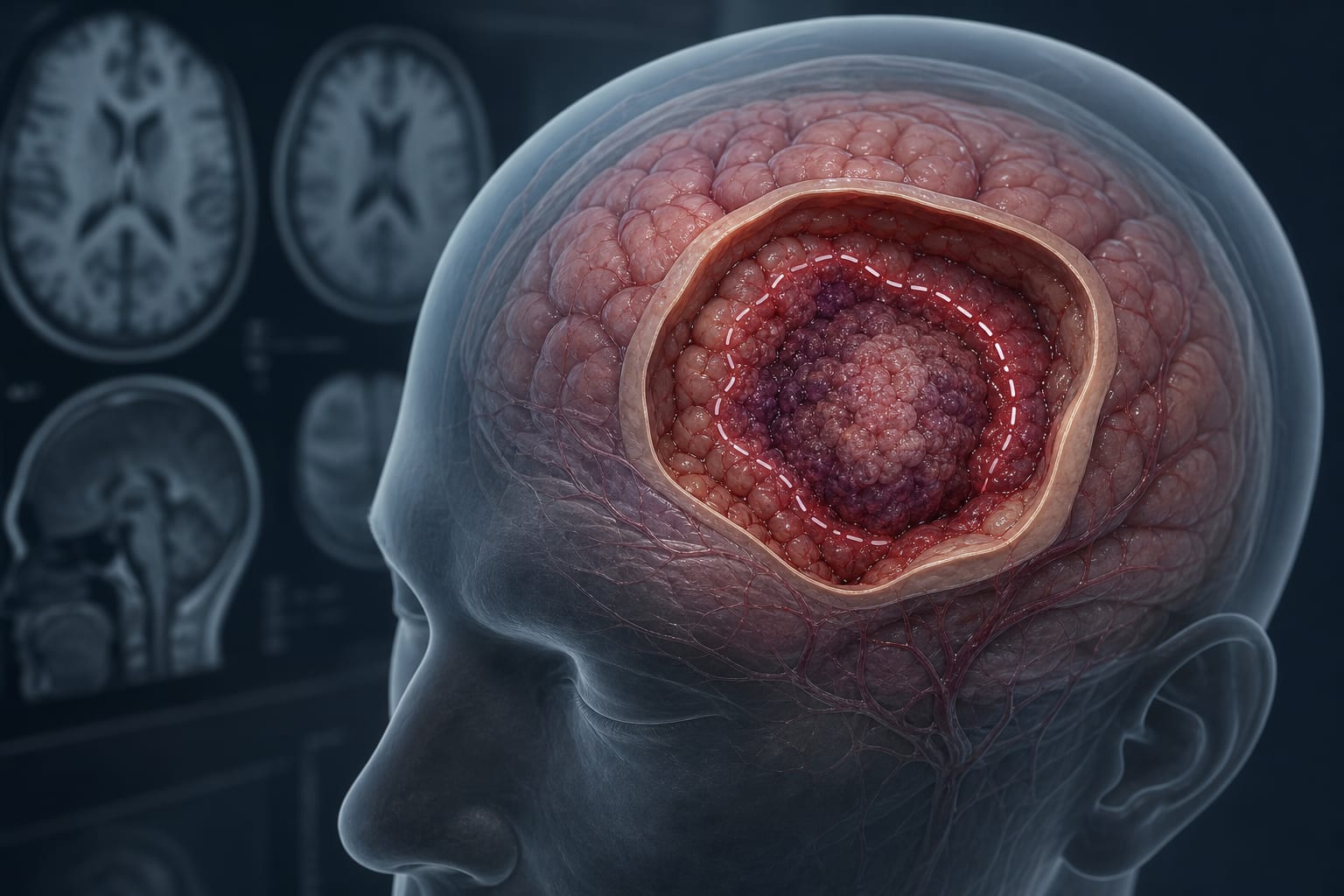
Hormonal receptor expression in tumors such as meningiomas may contribute to sex-specific surgical outcomes.
Male patients had a higher prevalence of malignant gliomas, which are associated with distinct gene expression and immune profiles influencing recovery.
Use of the Clavien–Dindo classification facilitated objective grading of AE severity across genders.
Clinical Implications
Recognizing gender-based differences in postoperative complications can enhance risk stratification and individualized patient counseling before intracranial tumor surgery. Tailoring perioperative care pathways to address sex-specific risks may improve outcomes and optimize resource utilization. Incorporation of gender considerations into surgical planning and postoperative monitoring is recommended.
Conclusion
This prospective analysis confirms that patient gender influences the incidence and nature of postoperative adverse events following intracranial tumor surgery. Integrating sex-specific data into clinical practice may advance personalized neurosurgical care.
References
Gender disparities in healthcare outcomes in neurosurgery [1, 17, 28]
Hormonal influences on intracranial tumor biology [6, 22, 23, 24]