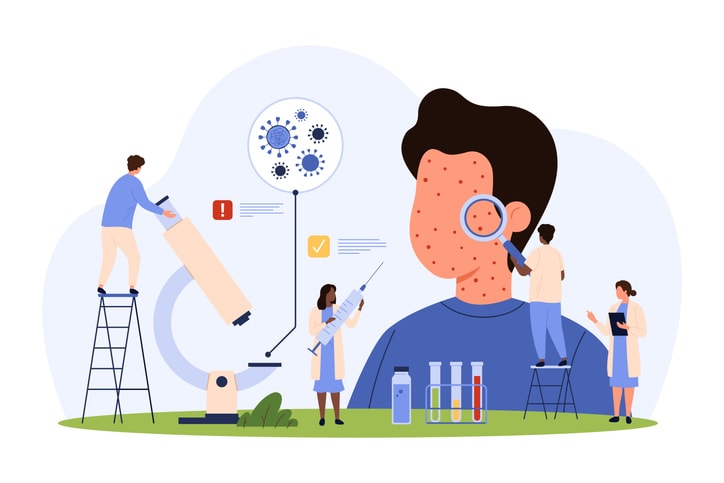
Clinical Report: A Challenge in the Measles Fight: Few Docs Have Seen It Before
Overview
Recent measles outbreaks in the U.S. have highlighted a significant gap in clinical experience among healthcare providers, as many have not encountered the disease in decades. This lack of familiarity poses risks for timely diagnosis and management, especially in light of increasing case numbers and vaccination hesitancy.
Background
Measles is a highly contagious viral disease that can lead to severe complications and death, particularly in unvaccinated populations. The U.S. has maintained measles elimination status since 2000, but recent outbreaks threaten this designation. With over 3,000 cases reported nationwide in 2025, healthcare professionals must be prepared to recognize and respond to measles effectively.
Data Highlights
Remove placeholder text and provide relevant data or state that data is not available.
Key Findings
Two 7-year-old twins were diagnosed with measles after a lengthy hospital wait, exposing at least 26 others.
CMS designated Mission Hospital in 'Immediate Jeopardy' due to failures in isolation procedures.
Many healthcare workers lack experience in recognizing measles symptoms, complicating outbreak management.
Vaccination significantly reduces the risk of measles infection; unvaccinated individuals face a 90% infection rate upon exposure.
Measles can remain infectious in the air for up to two hours, increasing the risk of transmission in healthcare settings.
Clinical Implications
Healthcare providers must enhance their ability to recognize measles symptoms, particularly in light of increasing case numbers. Immediate isolation and appropriate infection control measures are critical to prevent further transmission in healthcare settings.
Conclusion
As measles cases rise, it is imperative for healthcare professionals to be vigilant in identifying and managing potential infections to safeguard public health and maintain the U.S.'s measles elimination status.