Syphilis Infection Associated with Increased Cardiovascular Risks
Overview
A retrospective cohort study of 8,814 patients found that syphilis infection is independently linked to higher risks of major cardiovascular outcomes, including myocardial infarction, stroke, aortic aneurysm or dissection, peripheral artery disease, and mortality. These associations were particularly pronounced in tertiary and late latent syphilis stages.
Background
Syphilis is a sexually transmitted infection with rising incidence in certain regions, including Louisiana. While its systemic effects are well known, its impact on cardiovascular health has been less clearly defined. This study evaluated cardiovascular outcomes in patients with syphilis compared to matched controls without preexisting cardiovascular disease. Understanding these associations may inform clinical management and risk stratification in affected patients.
Data Highlights
Outcome
Syphilis Patients (%)
Controls (%)
Myocardial Infarction
7
4
Ischemic Stroke
10
6
Hemorrhagic Stroke
2
1
Aortic Aneurysm or Dissection
3
1
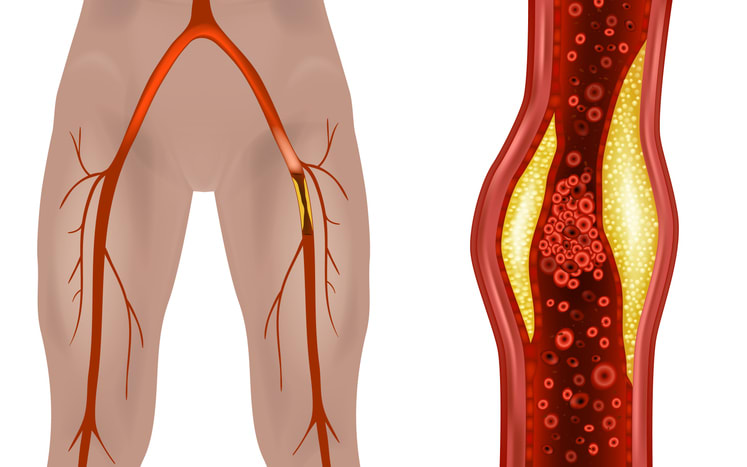
Peripheral Artery Disease
6
4
Key Findings
Syphilis infection was independently associated with increased risk of aortic aneurysm or dissection, ischemic and hemorrhagic stroke, myocardial infarction, peripheral artery disease, and mortality after multivariable adjustment.
Mortality risk was markedly elevated in syphilis patients (hazard ratio 5.80; 95% CI, 3.81–8.82), though residual confounding may influence this magnitude.
No significant differences were found for heart failure, atrial fibrillation, aortic regurgitation, or venous thromboembolism between groups.
Cardiovascular risk varied by syphilis stage: tertiary and late latent syphilis showed increased risks across multiple outcomes, whereas primary and secondary stages did not show significant associations.
In patients with HIV infection, most cardiovascular associations with syphilis were not statistically significant, but mortality remained elevated.
The study was limited by its retrospective design, reliance on diagnostic codes, lack of treatment and laboratory data, and potential residual confounding.
Clinical Implications
Clinicians should consider cardiovascular risk assessment in patients diagnosed with syphilis, especially those with tertiary or late latent disease. Early detection and treatment of syphilis may help mitigate adverse cardiovascular outcomes. Awareness of these associations is important for comprehensive patient management in regions with high syphilis prevalence.
Conclusion
Syphilis infection is independently linked to increased risks of several adverse cardiovascular outcomes, particularly vascular complications and mortality. Integrating cardiovascular evaluation into syphilis care may improve patient outcomes.
Related Resources & Content
Tsakiris et al., JAMA Network Open, 2025 -- Syphilis Linked to Adverse Cardiovascular Outcomes