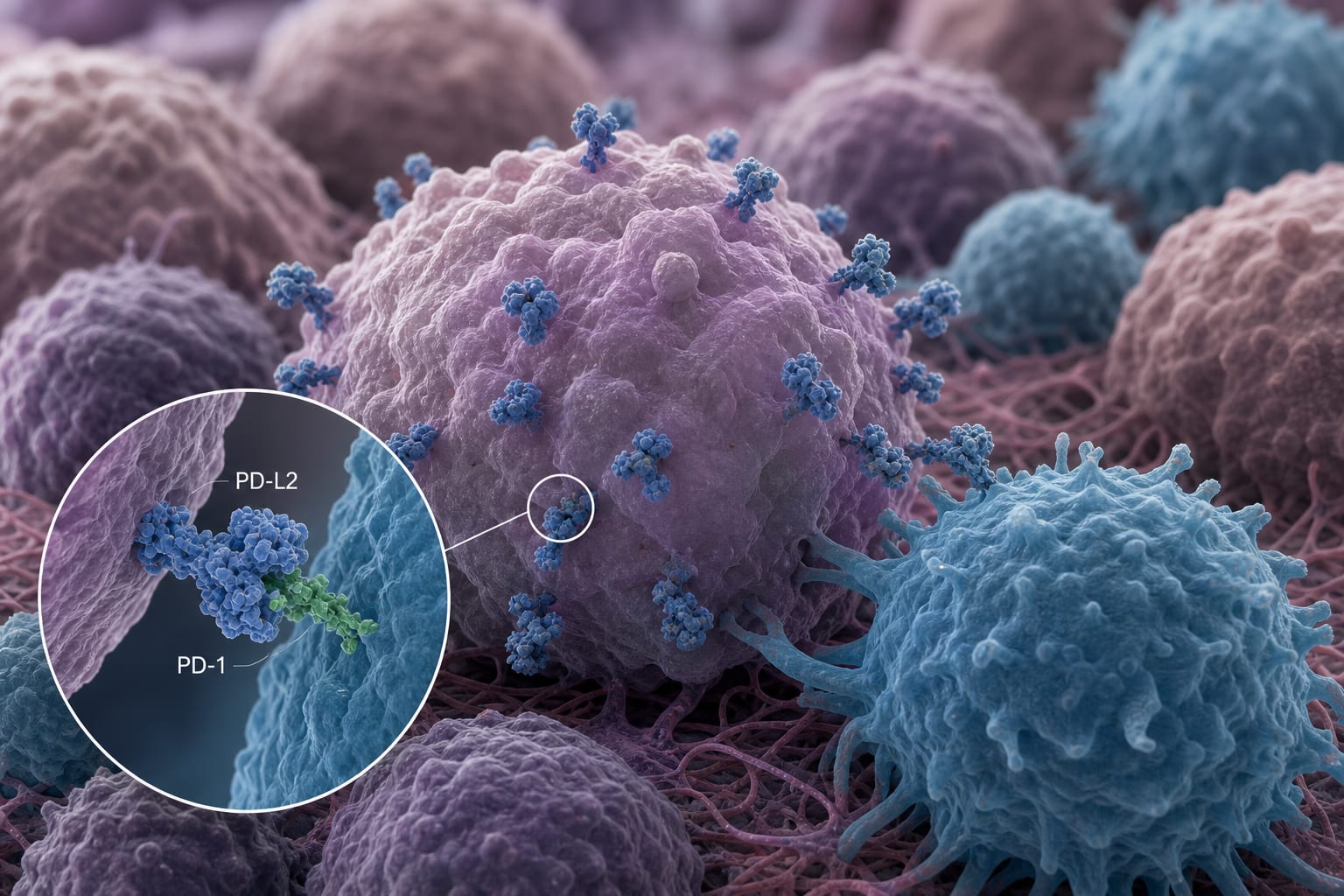
Clinical Report: Reevaluating the Role of Dendritic Cells in Cancer Immunity
Overview
This editorial discusses the complex role of dendritic cells (DCs) in cancer immunity, emphasizing their dynamic functions and the impact of the tumor microenvironment. It highlights the need for personalized immunotherapeutic strategies that consider the specific biology of different cancers.
Background
Dendritic cells are crucial for orchestrating antitumor immunity and are a focus in cancer immunotherapy development. Understanding their variable roles across different tumor types is essential for improving therapeutic outcomes. This editorial aims to refine the approach to DC-based therapies by addressing the complexities of DC biology and their interactions within the tumor microenvironment.
Data Highlights
No numerical data available in the editorial.
Key Findings
Dendritic cells exhibit plasticity and heterogeneity, influencing their therapeutic potential in cancer.
DC dysfunction varies significantly across different malignancies, necessitating tailored therapeutic strategies.
Studies show that manipulating intracellular negative regulators in DCs does not uniformly enhance antitumor responses.
Effective DC-based immunotherapy requires understanding the developmental routes and functional programming of DC populations.
DC-derived exosomes may serve as innovative cell-free anticancer agents, expanding therapeutic options.
Clinical Implications
Clinicians should consider the specific tumor microenvironment and DC biology when designing immunotherapeutic strategies. Personalized approaches that account for the diversity of DC functions across malignancies may enhance treatment efficacy.
Conclusion
A nuanced understanding of dendritic cell biology is essential for advancing cancer immunotherapy. Future research should focus on the context-dependent roles of DCs to optimize therapeutic interventions.