Clinical Report: Artificial Intelligence in Clinical Decision Support
Overview
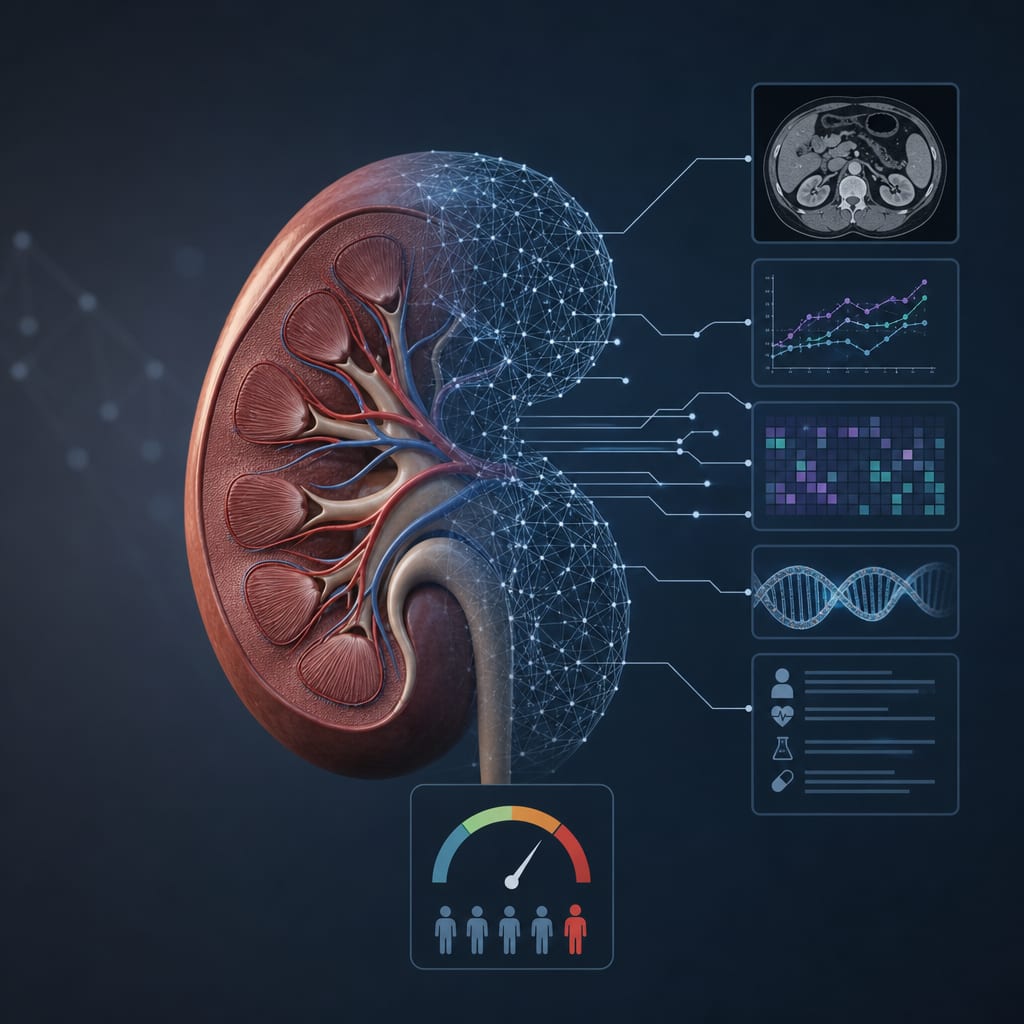
This report discusses the integration of artificial intelligence (AI) in clinical decision support systems (CDSSs), highlighting its potential to enhance diagnostic accuracy and patient outcomes. It also addresses significant challenges related to data accessibility and integration that must be overcome for effective implementation.
Background
AI and big data analytics are transforming clinical decision-making by improving diagnostic accuracy and personalizing patient care. However, the successful integration of AI into healthcare systems is hindered by challenges such as fragmented data infrastructures and restrictive data governance policies. Understanding these barriers is crucial for maximizing the benefits of AI in clinical settings.
Data Highlights
No specific numerical data provided in the article.
Key Findings
AI-based CDSSs can improve diagnostic accuracy and risk stratification.
Machine learning models often match or exceed clinician performance in specific domains.
Explainable AI is essential for enhancing clinician trust and usability of CDSSs.
Data accessibility and quality are critical barriers to the widespread adoption of AI in healthcare.
Successful integration of AI in clinical practice requires attention to human factors and workflow integration.
Clinical Implications
Healthcare professionals should be aware of the potential of AI to enhance clinical decision-making while recognizing the importance of addressing data management challenges. Training and support for clinicians in using AI tools can facilitate better integration into clinical workflows.
Conclusion
AI has the potential to significantly improve clinical decision support, but overcoming data management challenges is essential for its successful implementation in healthcare settings.