Conexiant’s news site is now MDSpire News. Learn more
Advertisement
Identification of Aggressive Acral Melanoma Phenotype with Depleted NK Cells and Resistance to Checkpoint Inhibition through Locus-Specific HERV Expression
Identification of Aggressive Acral Melanoma Phenotype with Depleted NK Cells
Overview
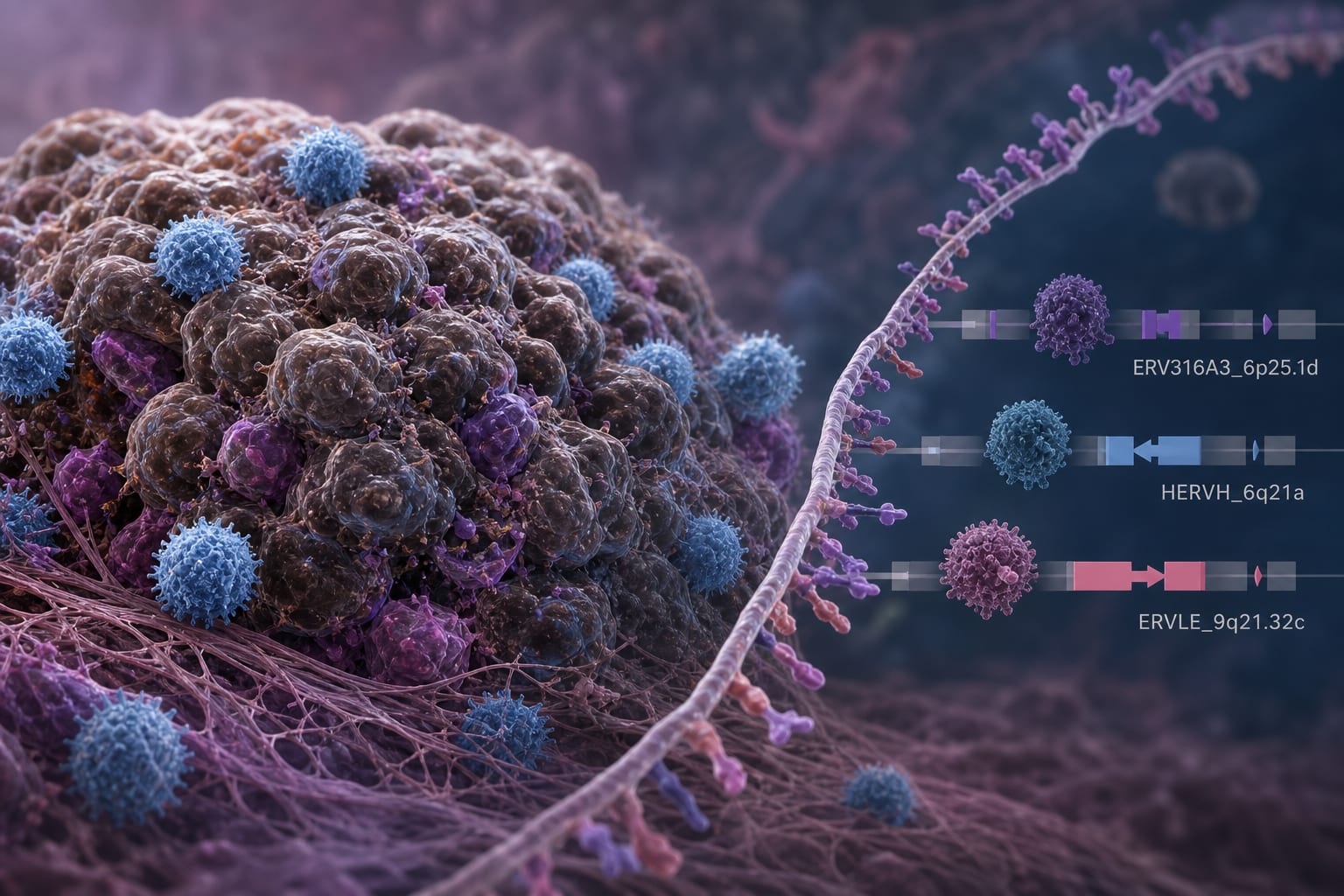
This study identifies a three-locus HERV signature that stratifies acral melanoma (AM) tumors by overall survival and highlights the association of high-risk tumors with depleted NK cells and resistance to immune checkpoint inhibitors.
Background
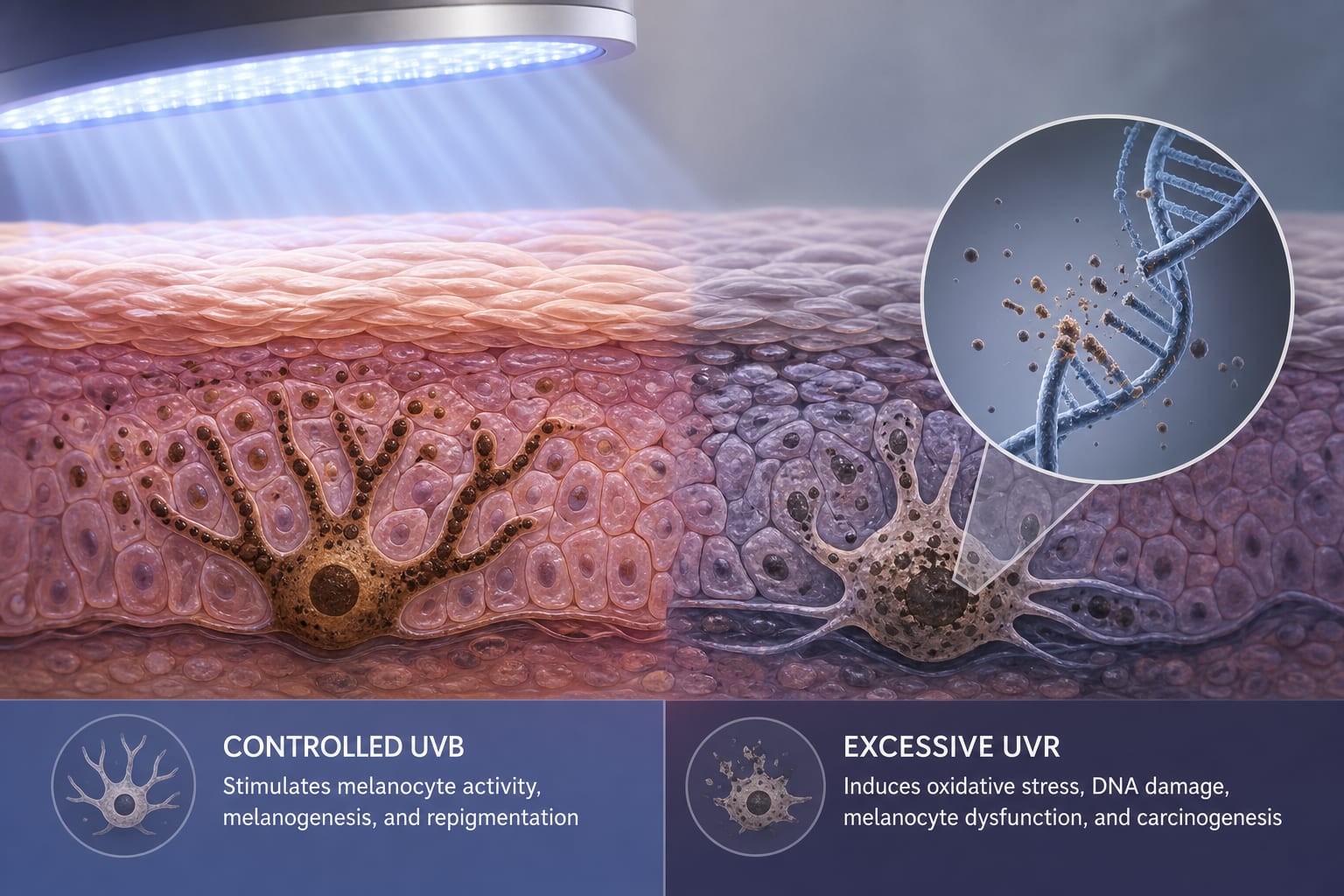
Acral melanoma (AM) is a subtype of melanoma that arises on non-sun-exposed skin and is associated with poorer survival outcomes compared to UV-driven melanomas. AM exhibits unique molecular characteristics, including a low mutation burden and an immunosuppressive tumor microenvironment, which contribute to its resistance to standard therapies.
Data Highlights
Finding
Value
HERV signature C-index
0.778 (95% CI: 0.614–0.914)
Kaplan–Meier log-rank p-value
0.003
HR for high-risk tumors
2.19 (95% CI: 1.38–3.47, p = 0.001)
NK-cell depletion correlation
ρ = −0.58 (FDR p = 0.004)
Odds ratio for ICI response
0.20 (p = 0.075)
Key Findings
A three-locus HERV signature stratifies AM tumors by overall survival.
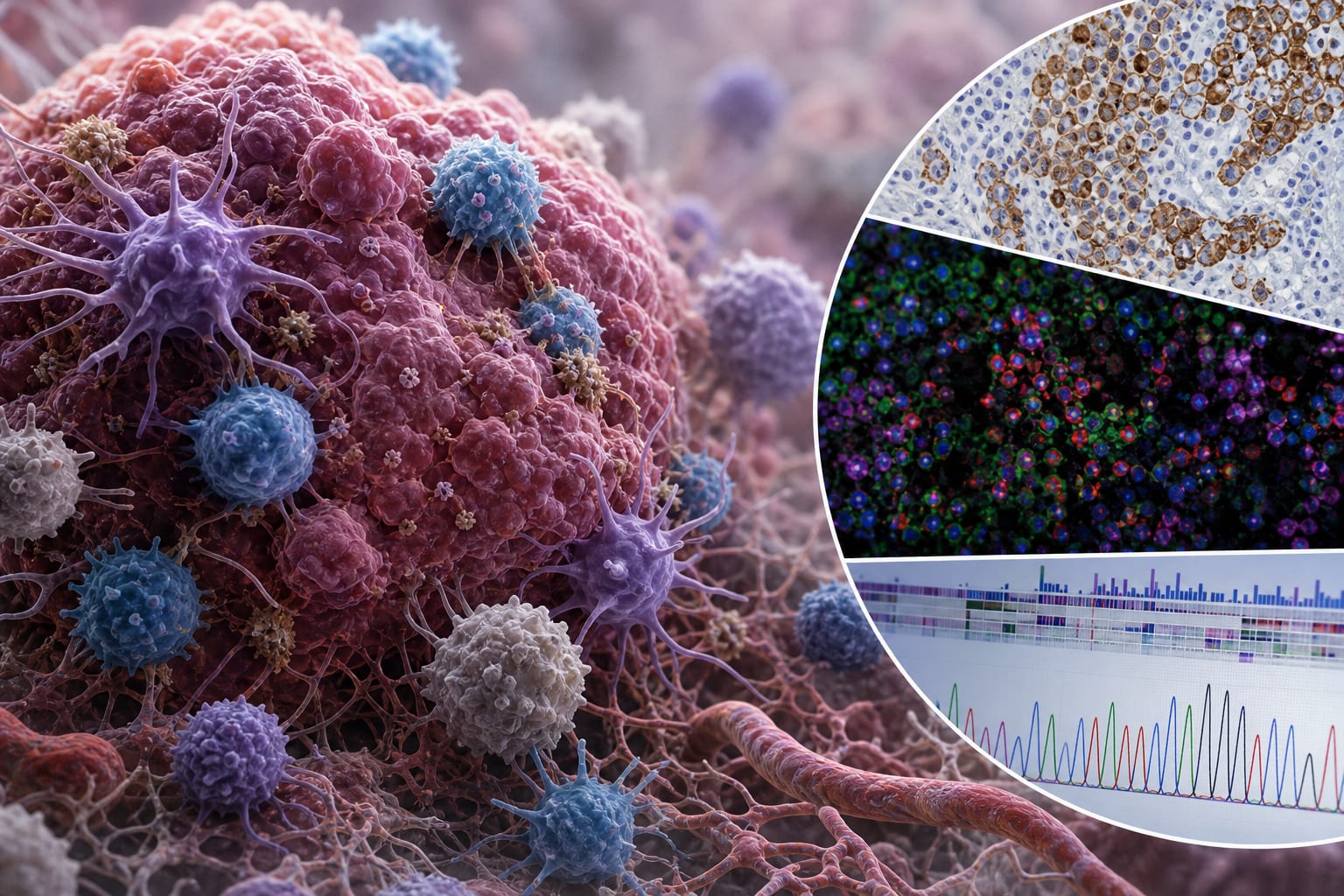
High-risk tumors are associated with depleted NK cells.
High-risk tumors show elevated LIN28A and HMGA2 expression.
High-risk tumors have reduced odds of responding to immune checkpoint inhibitors.
A structurally intact HERV-K antigen candidate was identified for further evaluation.
Clinical Implications
Understanding the immune landscape of high-risk AM tumors could inform future research directions.
Conclusion
This research highlights the distinct molecular characteristics of acral melanoma.
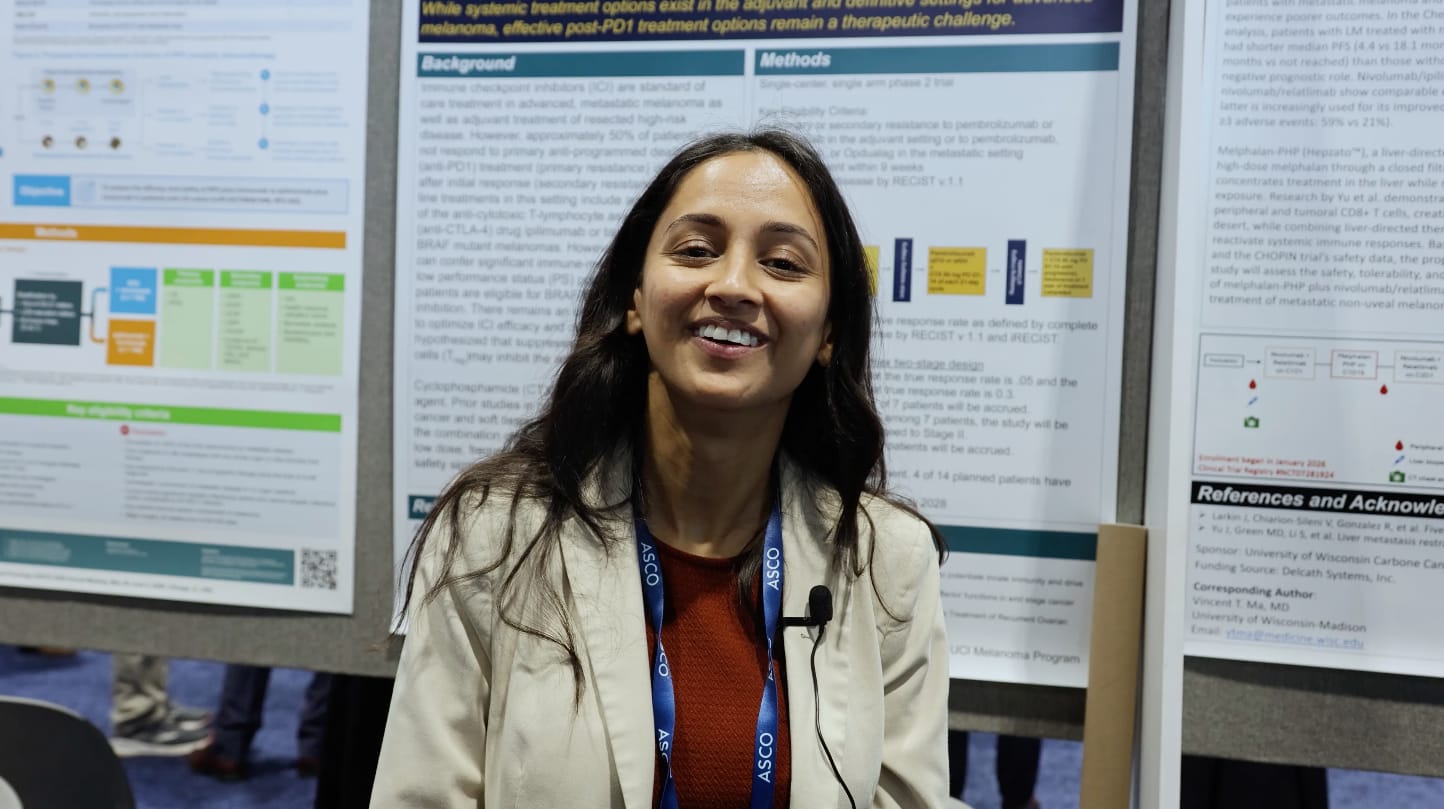
UCI Health medical oncologist Poorva Vaidya, MD is currently offering a new clinical trial sponsored by the UC Irvine Anti-Cancer Challenge, and lead by Warren Chow, MD, aimed at tackling a persistent challenge in melanoma care if patients fail first-line immunotherapy.